Counterfeit Drugs: What They Are, How to Spot Them, and Why It Matters
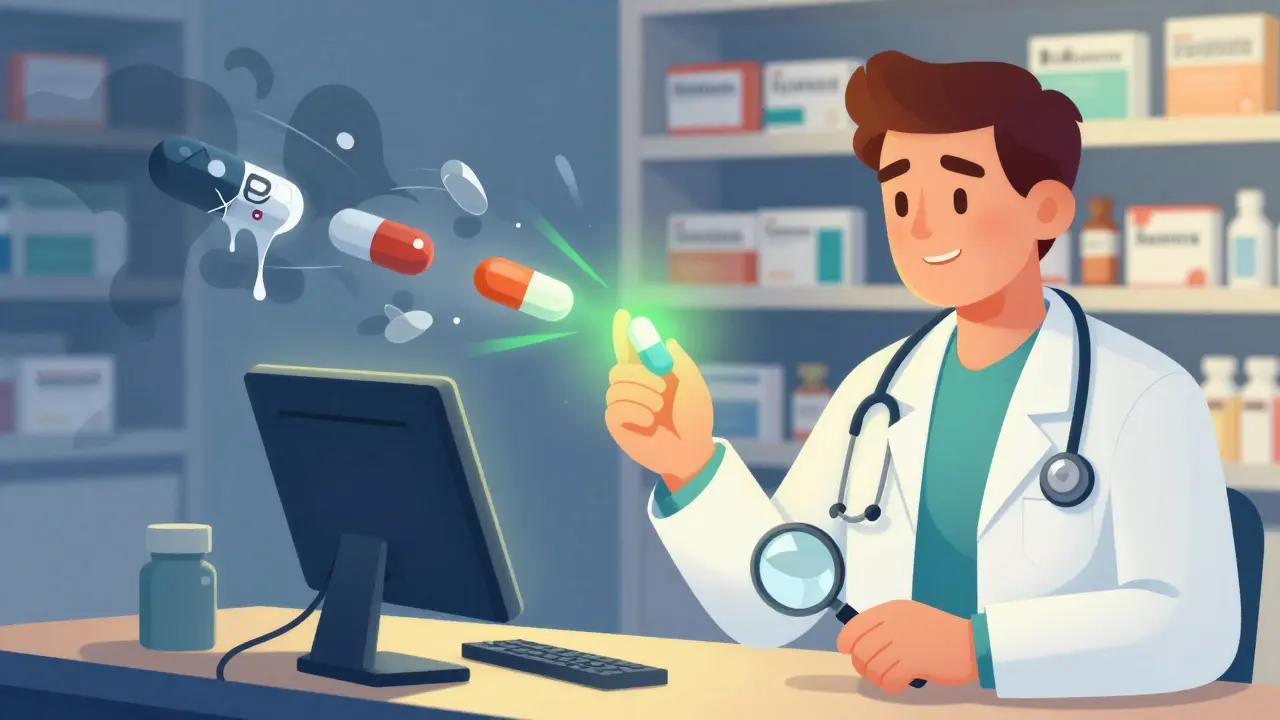
When you pick up a prescription, you expect it to work. But what if it’s not even real? Counterfeit drugs, fake or improperly made medications designed to look like the real thing. Also known as fake pills, these can contain the wrong ingredient, too little active drug, or even toxic substances like rat poison or floor cleaner. They don’t just fail to treat your condition—they can kill you. This isn’t a rare problem. The WHO estimates that 1 in 10 medical products in low- and middle-income countries is counterfeit. But even in the U.S. and Europe, fake opioids, antibiotics, and cancer drugs turn up in online pharmacies and unregulated supply chains.
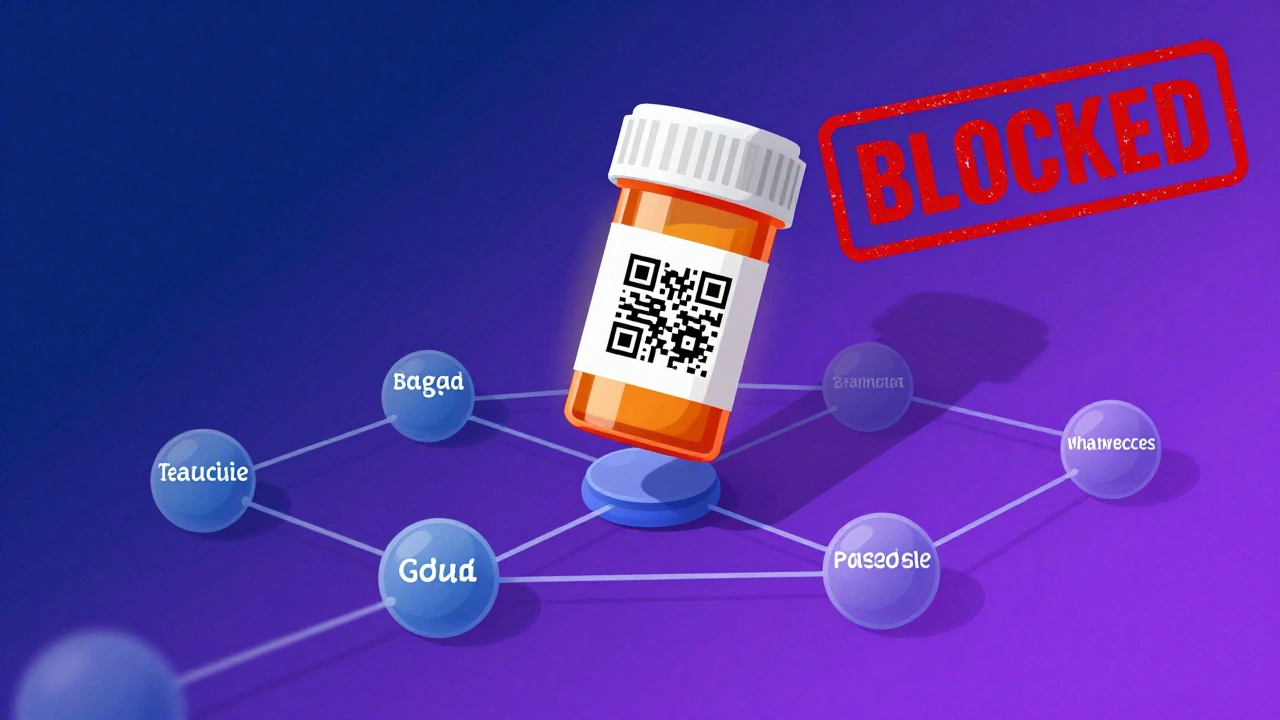
Counterfeit pharmaceuticals, fraudulent versions of branded or generic medicines often mimic packaging perfectly—same colors, logos, even holograms. But inside? No quality control. One batch of fake metformin was found to contain carcinogenic nitrosamines. Another batch of fake Viagra had no sildenafil at all—just sugar and chalk. These aren’t myths. They’re FDA alerts. And they’re not just sold on shady websites. Some end up in legitimate-looking pharmacies through stolen or diverted supply chains. Drug safety, the system of checks meant to ensure medications are effective and harmless relies on traceability, but counterfeiters exploit gaps in that chain. They target high-demand drugs like insulin, blood pressure pills, and antibiotics because people are desperate and won’t question the source.
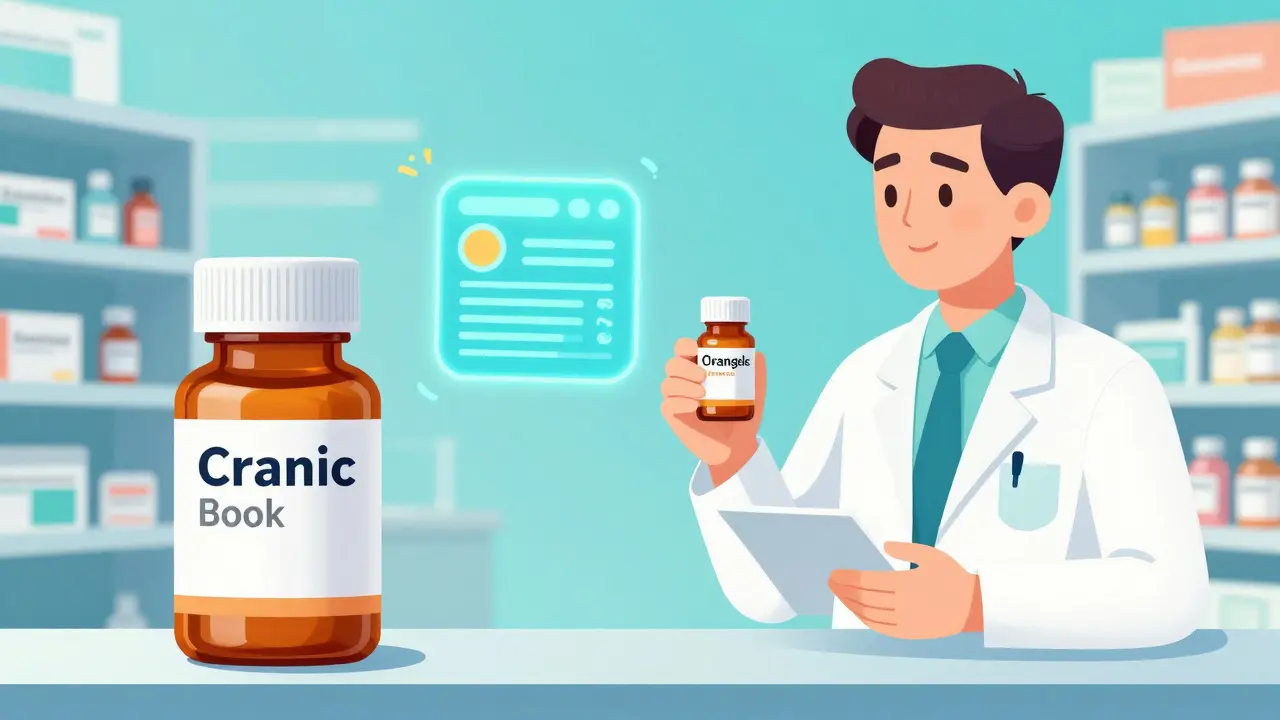
How do you protect yourself? Always buy from licensed pharmacies. Check the website’s verification seal (like VIPPS in the U.S.). Never buy from social media ads or pop-up sites offering "miracle discounts." Look for changes in pill color, texture, or taste. If your prescription suddenly works differently—or doesn’t work at all—it might not be the drug. Talk to your pharmacist. They’re trained to spot fakes. And if you’re unsure, call the manufacturer. Most have hotlines to verify product authenticity.
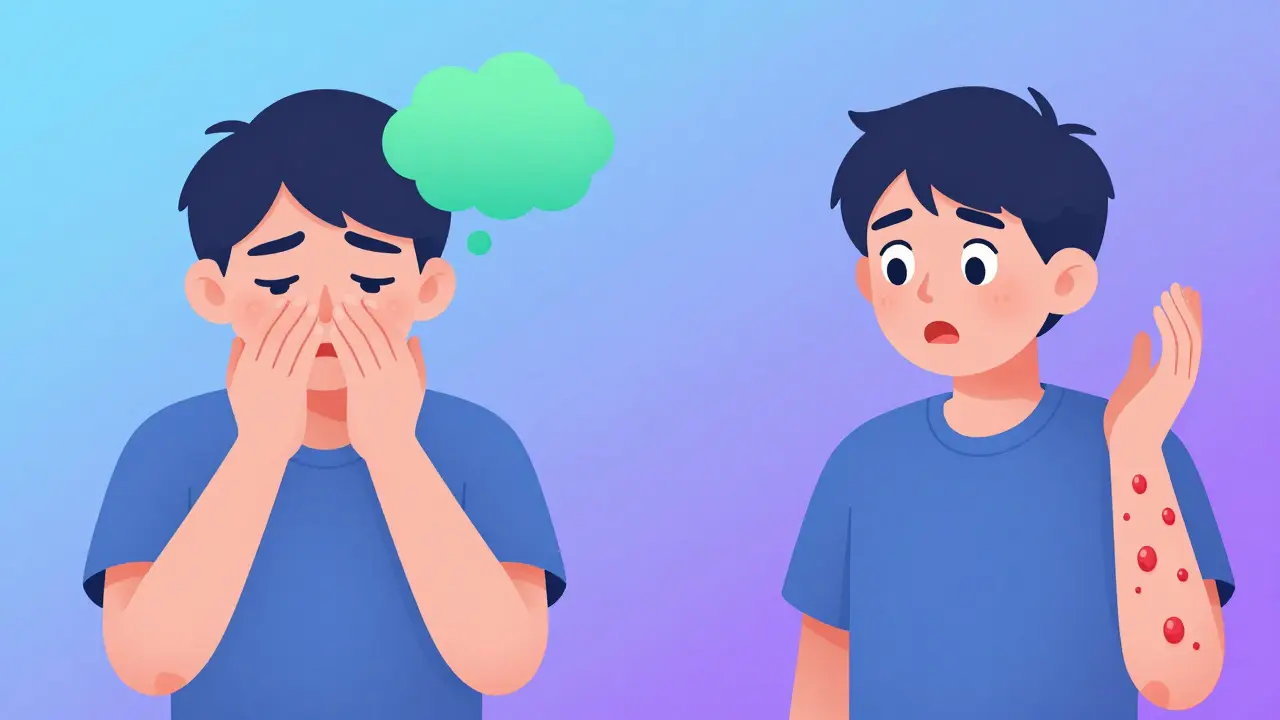
Counterfeit drugs don’t just hurt individuals—they break trust in the whole system. When people lose faith in their meds, they skip doses. They stop treatment. They get sicker. That’s why reporting suspicious pills matters. The FDA and WHO rely on reports from patients and pharmacists to track outbreaks. Your alert could stop a deadly batch before it reaches someone else.
Below, you’ll find real stories and practical guides on how to spot fake meds, what to do if you’ve taken one, and how to make sure your prescriptions are safe—from the pharmacy counter to your medicine cabinet.