
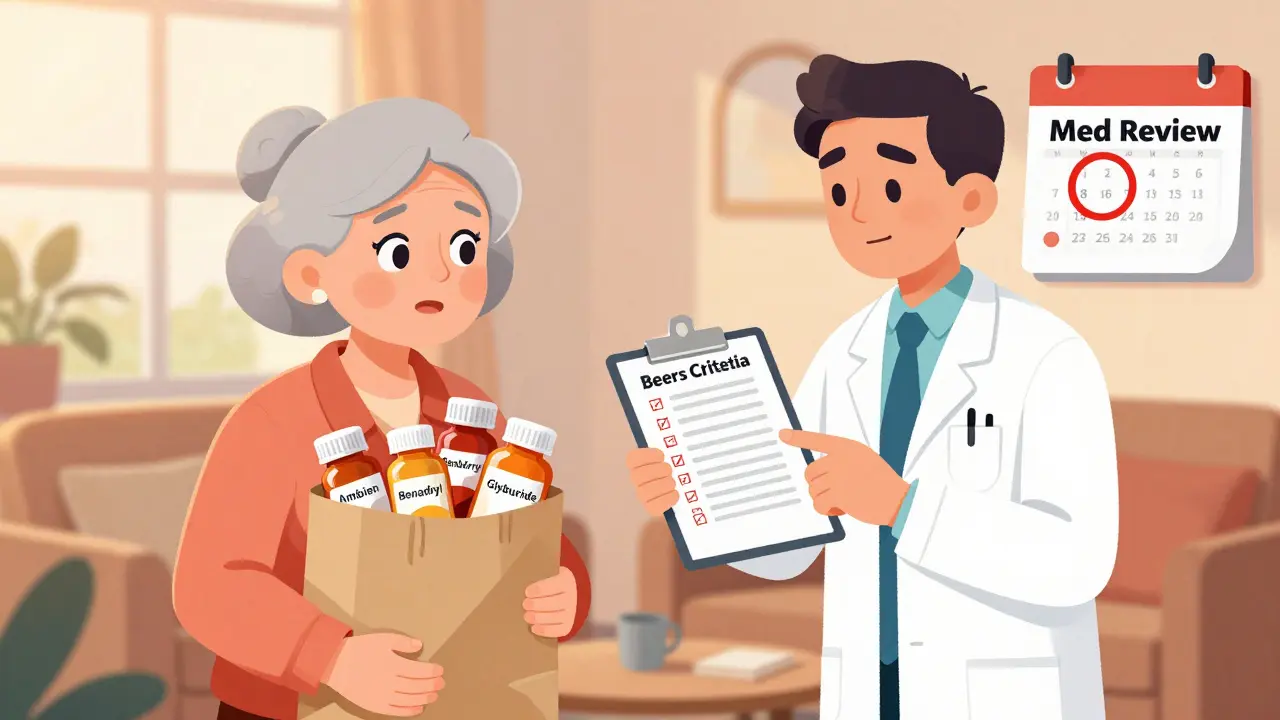
Every year, thousands of seniors end up in the hospital-not from falls, heart attacks, or infections-but because of a medication they were told was safe. Many of these drugs were prescribed years ago, never re-evaluated, and now pose more danger than benefit. The truth is, medications that work fine for a 40-year-old can be dangerous for someone over 65. Your body changes as you age. Your kidneys slow down. Your liver processes drugs differently. Your brain becomes more sensitive to sedatives. What was once a helpful pill can become a hidden threat.
Why Seniors Are at Higher Risk
By age 65, most people are taking at least five different medications. Some take ten or more. This isn’t unusual-it’s expected. But the more pills you take, the higher the chance of harmful interactions, side effects, or overdoses. The CDC reports that 40% of older adults take five or more drugs daily. That’s not just a number-it’s a ticking time bomb.
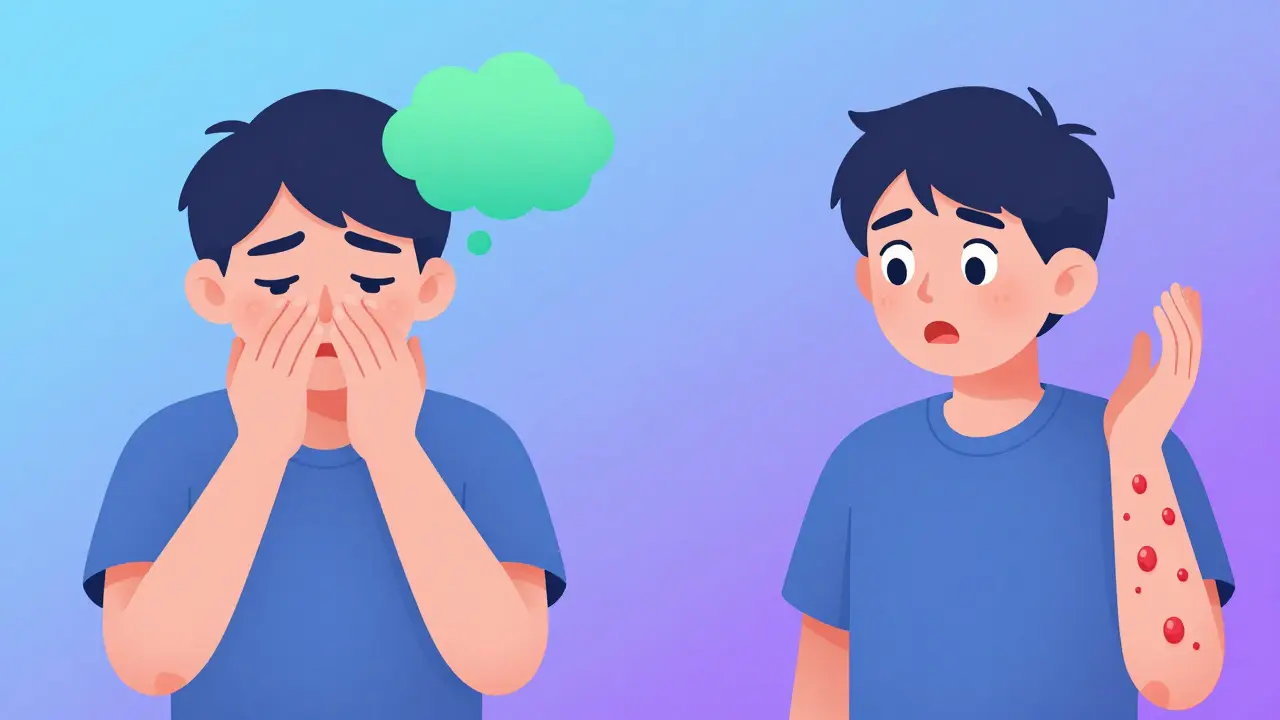
Aging changes how your body handles medicine. Your kidneys filter drugs less efficiently. Your liver breaks them down slower. Your brain becomes more sensitive to sedatives and anticholinergics-drugs that block a key brain chemical called acetylcholine. Even small doses can cause confusion, memory loss, falls, or even dementia over time.
And here’s the kicker: many of these drugs were prescribed before anyone knew how risky they are for seniors. A pill your doctor gave you in your 50s might not be safe anymore. That’s why a regular medication review isn’t optional-it’s essential.
The Beers Criteria: Your Secret Weapon
In 1991, Dr. Mark Beers created a list of medications that older adults should avoid. That list is now called the Beers Criteria. Updated every two years, the latest version came out in May 2023. It’s not just a guideline-it’s the gold standard used by Medicare, hospitals, and pharmacies across the U.S.
The Beers Criteria doesn’t just say “avoid this drug.” It tells you why. For example:
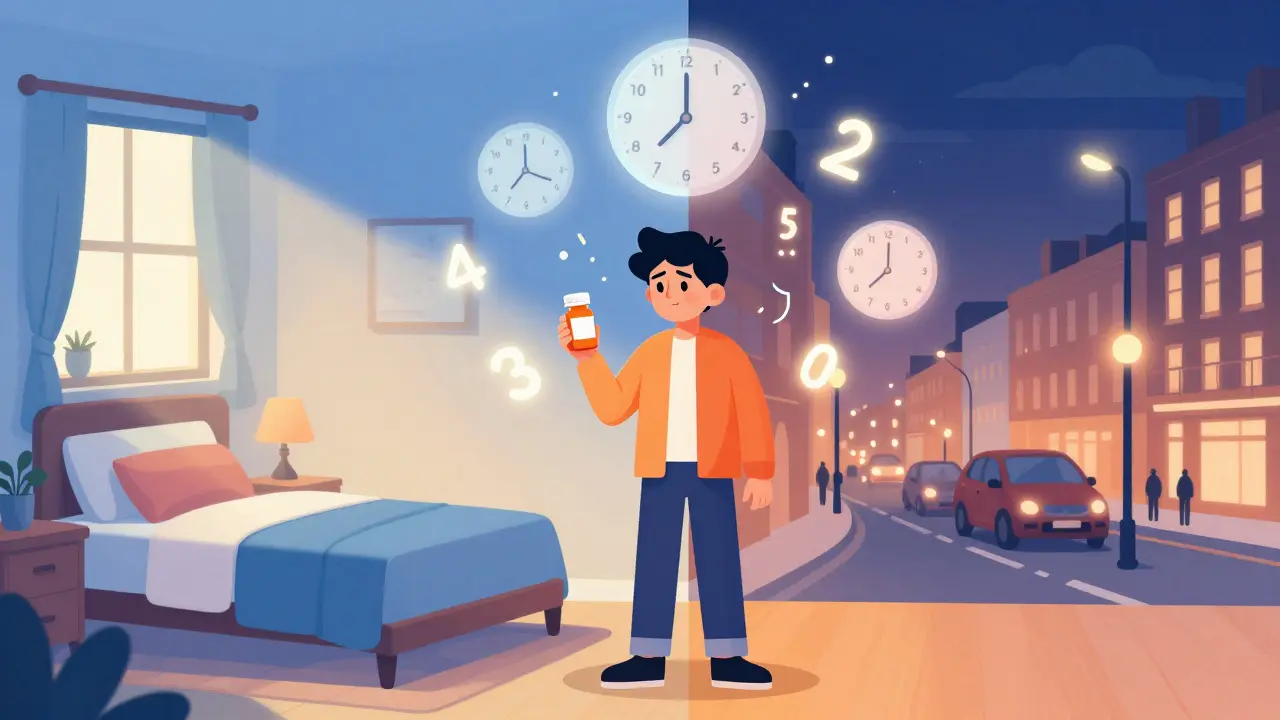
- Zolpidem (Ambien®): Increases fall risk by 82% in seniors. Residual drowsiness can last up to 11 hours-long enough to cause a fall while walking to the bathroom at 3 a.m.
- Glyburide (Diabeta®): A diabetes drug that causes severe low blood sugar in nearly 30% of seniors. It’s 2.1 times more likely to cause hypoglycemia than glipizide, a safer alternative.
- Diphenhydramine (Benadryl®): Found in sleep aids and allergy meds. Has an anticholinergic score of 3-the highest risk level. Long-term use raises dementia risk by 54% after just 1,095 doses.
- Nitrofurantoin (Macrobid®): Used for urinary infections. Can cause fatal lung damage in seniors with reduced kidney function (eGFR below 60).
- Benzodiazepines (Valium®, Xanax®): Increase fall risk and confusion. A 2023 study showed a 50% higher death rate over five years in seniors who used them for sleep.
These aren’t rare cases. A 2016 study in JAMA Internal Medicine found that 36% of U.S. seniors were taking at least one drug on the Beers list. Women were more likely than men to be on these risky meds.
Top 5 High-Risk Medications to Review Now
Here are five medications you should ask your doctor about-right now.
- Glyburide - A sulfonylurea for type 2 diabetes. It sticks around in your body too long, causing dangerous drops in blood sugar. Glipizide or metformin are safer choices. Studies show switching reduces emergency visits by 40%.
- Zolpidem - The most common sleep aid for seniors. But it doesn’t just help you sleep-it makes you clumsy. The FDA warns it can cause sleepwalking, confusion, and falls. Trazodone or cognitive behavioral therapy for insomnia (CBT-I) work better and safer.
- Diphenhydramine - Found in Tylenol PM, Benadryl, and many OTC sleep aids. It’s cheap, easy to get, and completely outdated for seniors. It’s linked to memory loss, dry mouth, constipation, and urinary retention. Switch to non-anticholinergic options like melatonin or loratadine.
- Nitrofurantoin - Prescribed for bladder infections. But if your kidneys aren’t working well (common in seniors), this drug can build up and scar your lungs. Ciprofloxacin or fosfomycin are safer for those with reduced kidney function.
- Meperidine (Demerol®) - An opioid for pain. Its metabolite, normeperidine, builds up in older bodies and causes seizures. It’s been removed from many hospital formularies. Use oxycodone or acetaminophen instead.
These aren’t just “maybe” risks. These are well-documented dangers backed by decades of clinical data. If you’re on any of these, ask: “Is there a safer alternative?”
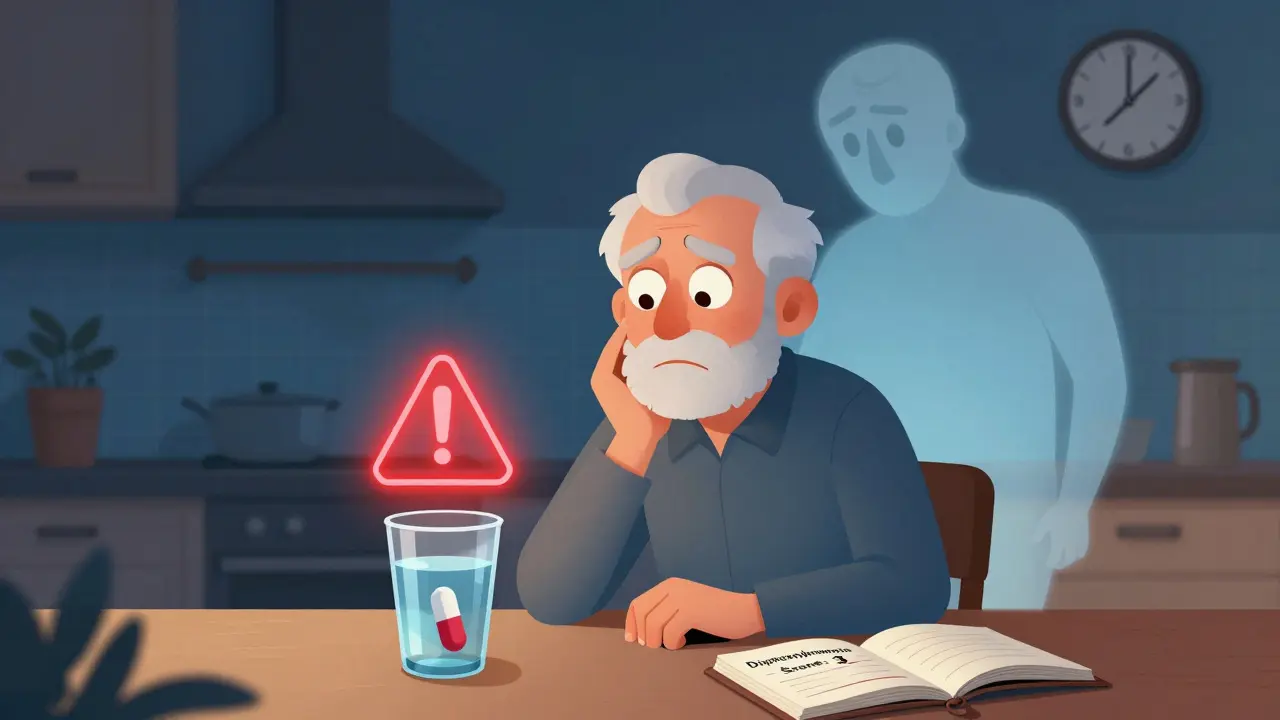
What Happens When You Don’t Review
Every year, Medicare spends $177 billion treating adverse drug events in seniors. That’s not just money-it’s lives. A 78-year-old woman in Ohio took diphenhydramine for allergies and ended up in the hospital with severe constipation and confusion. Her doctor didn’t know she was taking it daily. After switching to loratadine, she was back to normal in a week.
Another patient, 82, took glyburide for 15 years. One morning, she passed out in the kitchen. Her blood sugar was 38 mg/dL-life-threateningly low. She spent three days in the hospital. Her new doctor switched her to glipizide. No more episodes.
These stories aren’t rare. A 2022 Kaiser Family Foundation survey found that 58% of seniors on high-risk meds didn’t even know they were risky. Only 32% had ever discussed the dangers with their doctor.
How to Do a Medication Review
You don’t need a PhD to do this. Here’s how to start:
- Collect all your meds - Pills, patches, creams, supplements, OTC drugs. Put them in a bag. Bring them to your next appointment.
- Ask for the Beers Criteria checklist - Say: “Can you check if any of these are on the Beers list for seniors?”
- Ask about anticholinergic burden - Ask: “What’s my total anticholinergic score?” A score above 3 is high risk. Drugs like amitriptyline, oxybutynin, and chlorpheniramine add up fast.
- Check kidney function - Ask for your eGFR number. If it’s below 60, some drugs (like nitrofurantoin) become dangerous.
- Review every 6 months - Don’t wait for a crisis. Schedule a med review with your doctor or pharmacist every six months.
Pharmacists are your allies. A 2019 study showed pharmacist-led reviews cut high-risk medication use by 35% in just six months. They can spot interactions your doctor might miss.
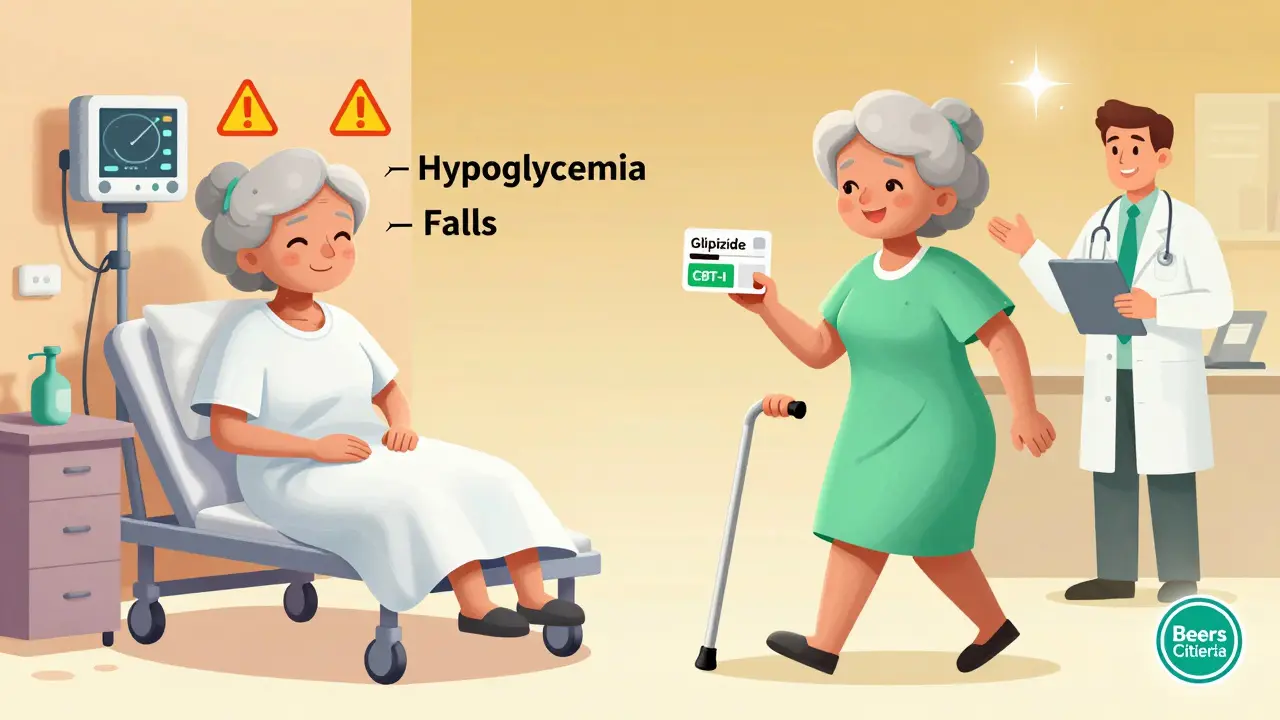
What Replaces These High-Risk Drugs?
There’s almost always a better option. Here’s what to ask for instead:
| High-Risk Drug | Why It’s Risky | Safer Alternative |
|---|---|---|
| Glyburide | High hypoglycemia risk, long-acting | Glipizide, Metformin, GLP-1 agonists |
| Zolpidem | Fall risk, residual sedation | Trazodone, CBT-I, melatonin |
| Diphenhydramine | Anticholinergic, dementia risk | Loratadine, cetirizine, melatonin |
| Nitrofurantoin | Pulmonary toxicity with low kidney function | Ciprofloxacin, Fosfomycin |
| Benzodiazepines | Confusion, falls, dependence | Non-drug options (CBT-I), low-dose trazodone |
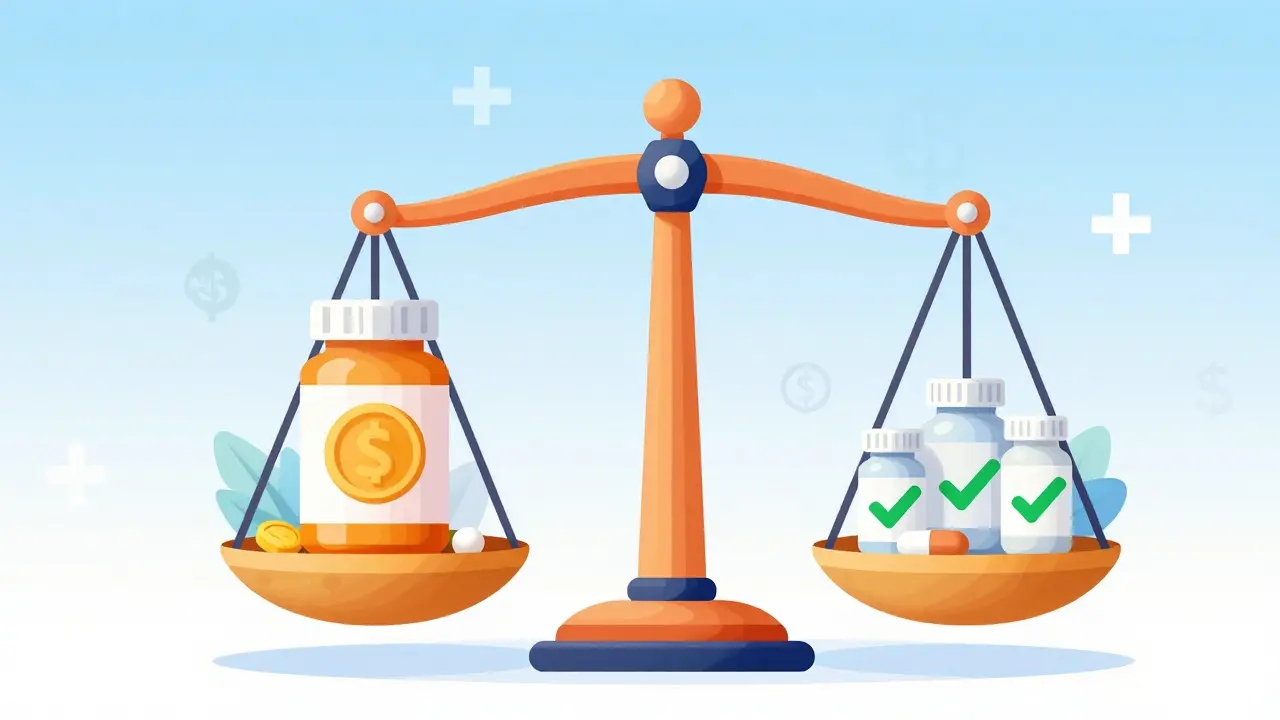
Many of these alternatives are just as effective-and far safer. The key is not just stopping the bad drug, but replacing it with something that works.
What to Do Next
Don’t wait for a fall, a hospital visit, or a dementia diagnosis. Start today.
- Take a “brown bag” of all your medications to your next doctor’s visit.
- Ask: “Which of these are on the Beers Criteria list?”
- Ask for your anticholinergic burden score.
- Ask if your kidney function has been checked this year.
- If your doctor says “it’s fine,” ask for a second opinion from a geriatrician or pharmacist.
Medication reviews aren’t about cutting pills-they’re about keeping you safe, independent, and in control of your life. The right drugs can help you live better. The wrong ones can steal your independence.
What is the Beers Criteria?
The Beers Criteria is a list of medications that are potentially inappropriate for adults aged 65 and older because they carry higher risks than benefits. Developed by the American Geriatrics Society and updated every two years, it’s based on clinical evidence of side effects like falls, confusion, kidney damage, and drug interactions. It’s used by Medicare, hospitals, and pharmacies to guide prescribing decisions.
Can I stop a high-risk medication on my own?
No. Stopping certain medications suddenly-especially benzodiazepines, sleep aids, or blood pressure drugs-can cause serious withdrawal symptoms, seizures, or rebound effects. Always talk to your doctor or pharmacist first. They can help you taper safely, usually over 4 to 6 weeks.
Are over-the-counter drugs safe for seniors?
Not always. Many OTC sleep aids, allergy pills, and stomach remedies contain diphenhydramine, chlorpheniramine, or other anticholinergics. These are on the Beers list for a reason. Read labels carefully. If you see “PM,” “nighttime,” or “for sleep,” it likely contains a high-risk ingredient. Ask your pharmacist to check.
How often should seniors review their medications?
At least once a year, but every six months is better-especially if you’ve had a fall, hospital stay, or change in health. Medicare requires an annual medication review for beneficiaries in its Medication Therapy Management program. Don’t wait for them to ask you-take the initiative.
Do pharmacies check for high-risk drugs?
Most do. As of 2023, 87% of U.S. pharmacies use electronic systems that flag Beers Criteria drugs at the point of sale. If you’re on a high-risk medication, your pharmacist may call your doctor to suggest an alternative. But don’t rely on this alone. Bring your own list to your doctor.
Final Thought
You’ve spent decades taking care of yourself-your body, your health, your independence. Don’t let outdated prescriptions undo that. Medications aren’t just pills. They’re tools. And like any tool, they can help-or hurt-depending on how they’re used. A review doesn’t mean you’re giving up. It means you’re taking control.
Peter Kovac
March 9, 2026 AT 00:16The data presented here is statistically robust and aligns with the 2023 American Geriatrics Society Beers Criteria updates. The anticholinergic burden metric, particularly when exceeding a cumulative score of 3, is a clinically validated predictor of cognitive decline in elderly populations. The longitudinal studies cited from JAMA Internal Medicine and Kaiser Family Foundation are not merely correlational-they demonstrate dose-dependent neurotoxicity. This is not anecdotal; it is evidence-based geriatrics.
rafeq khlo
March 10, 2026 AT 05:13It is absurd that patients are left to navigate complex pharmacological landscapes without systemic oversight. The pharmaceutical industry has engineered dependency through profit-driven prescribing. The FDA’s passive stance on OTC anticholinergics is not negligence-it is complicity. Diphenhydramine should be banned for seniors outright. The cost of inaction is measured in dementia cases and emergency room visits. This is not a medical issue. It is a moral failure.
Morgan Dodgen
March 11, 2026 AT 07:39Of course the system is rigged. Big Pharma funds the guidelines. The Beers Criteria? A PR stunt. They don’t remove the drugs-they just rebrand them as 'high risk' so doctors can keep prescribing under 'clinical discretion'. I’ve seen it. My uncle was on glyburide for 12 years. His doctor said 'it's fine' until he nearly died. Then they switched him to glipizide. Same company. Same profit margin. Just a different label. Wake up.
Philip Mattawashish
March 12, 2026 AT 19:59You think this is about health? No. This is about control. The medical-industrial complex doesn’t want you independent. They want you docile. Sedated. Dependent. That’s why they push Zolpidem and benzodiazepines-they keep you quiet. CBT-I? Too expensive. Too human. Too inconvenient. They’d rather you fall than fix the system. The fact that 58% of seniors don’t even know they’re on dangerous meds? That’s not ignorance. That’s programming.
Tom Sanders
March 13, 2026 AT 03:26bro i just took benadryl last night for allergies and now i feel like a zombie
Jazminn Jones
March 14, 2026 AT 03:43While the content is undeniably well-referenced and clinically sound, the presentation lacks nuance in addressing socioeconomic disparities in medication access. Many elderly patients cannot afford alternatives like GLP-1 agonists or CBT-I. The suggestion to 'ask your pharmacist' assumes equitable access to pharmacy services, which is not the reality in rural or low-income communities. A truly comprehensive review must include policy recommendations-not just clinical ones.
Stephen Rudd
March 15, 2026 AT 22:26Let me be the first to say this: every single one of these 'high-risk' drugs was prescribed because someone needed them. You don't know the patient's history. You don't know the alternatives they rejected. You don't know the pain they were in. Removing drugs without context is not medicine-it's arrogance. I've seen patients die from withdrawal because someone decided their meds were 'too risky'. The real danger here is the arrogance of those who think they know better than the doctors who've been treating these patients for years.
Erica Santos
March 16, 2026 AT 23:14So let me get this straight-we’re supposed to be grateful that the system is finally admitting it’s been poisoning old people for decades? Wow. What a revelation. Next you’ll tell us the sun rises in the east. Meanwhile, my 81-year-old neighbor is still on nitrofurantoin because her doctor ‘didn’t think her kidneys were that bad’. She’s on oxygen now. Congrats, science. You win.
George Vou
March 18, 2026 AT 00:52the beers list is fake i read it once and its just a list of stuff that costs money so they can sell you cheaper stuff
Scott Easterling
March 19, 2026 AT 05:50Okay, but… have you considered that maybe some of these drugs are still necessary? I mean, sure, diphenhydramine is risky-but what if the patient has severe allergies and can’t afford epinephrine? Or what if they have insomnia and can’t access CBT-I because they live in a rural area with no therapists? You’re not solving problems-you’re just adding guilt. And also, why is everyone so obsessed with ‘anticholinergic burden’? It’s not a magic number. It’s a tool. Use it wisely.
Melba Miller
March 20, 2026 AT 18:49They say 'ask your doctor' like doctors have time. My mom’s doctor spends 7 minutes per visit. She brings a list of 12 meds. He nods. Says 'keep taking them.' Then she gets confused and falls. They blame her. Not the system. Not the pills. Her. Again. This isn’t medicine. It’s neglect dressed up as advice.
Katy Shamitz
March 22, 2026 AT 08:20Thank you for writing this. My grandmother was on zolpidem for 8 years. We switched her to melatonin and CBT-I, and she’s been sleeping better than ever-no more midnight wanderings, no more bruises. It’s not about taking away comfort. It’s about giving back dignity. You’re not alone in this fight. 💛
Nicholas Gama
March 23, 2026 AT 16:39Beers Criteria is the only thing standing between seniors and pharmaceutical oblivion. If you’re not using it, you’re part of the problem.