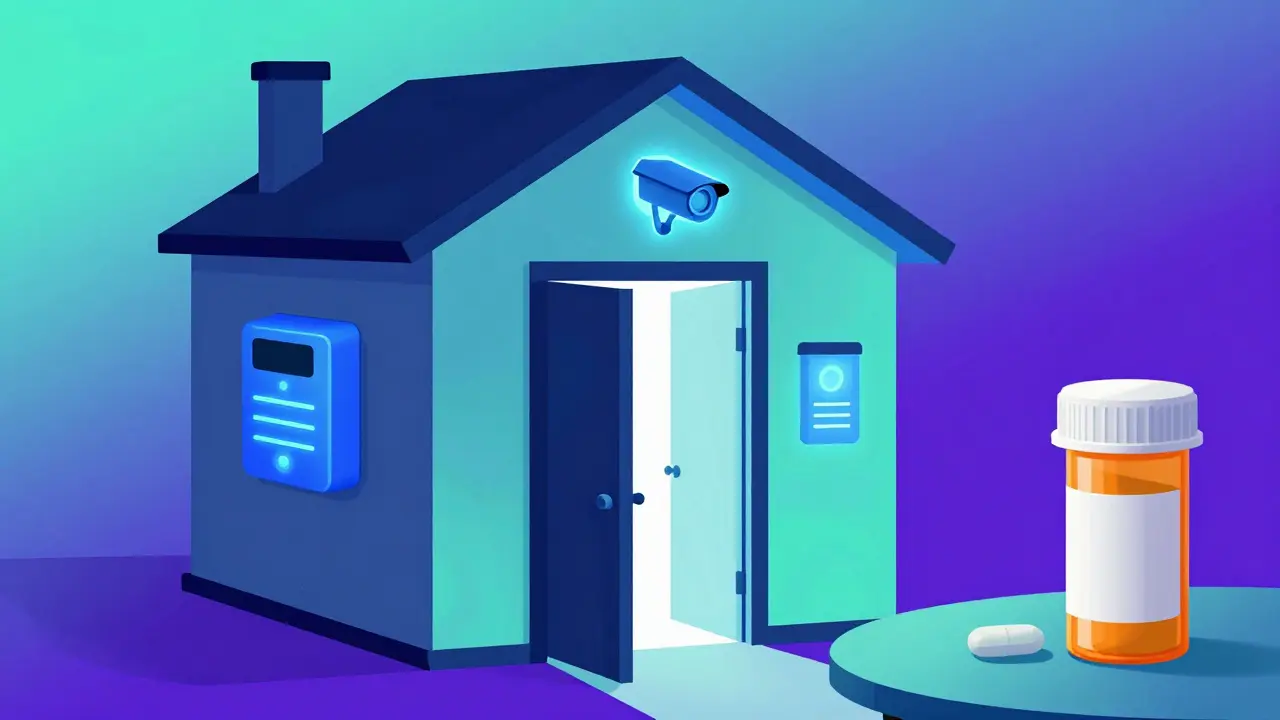
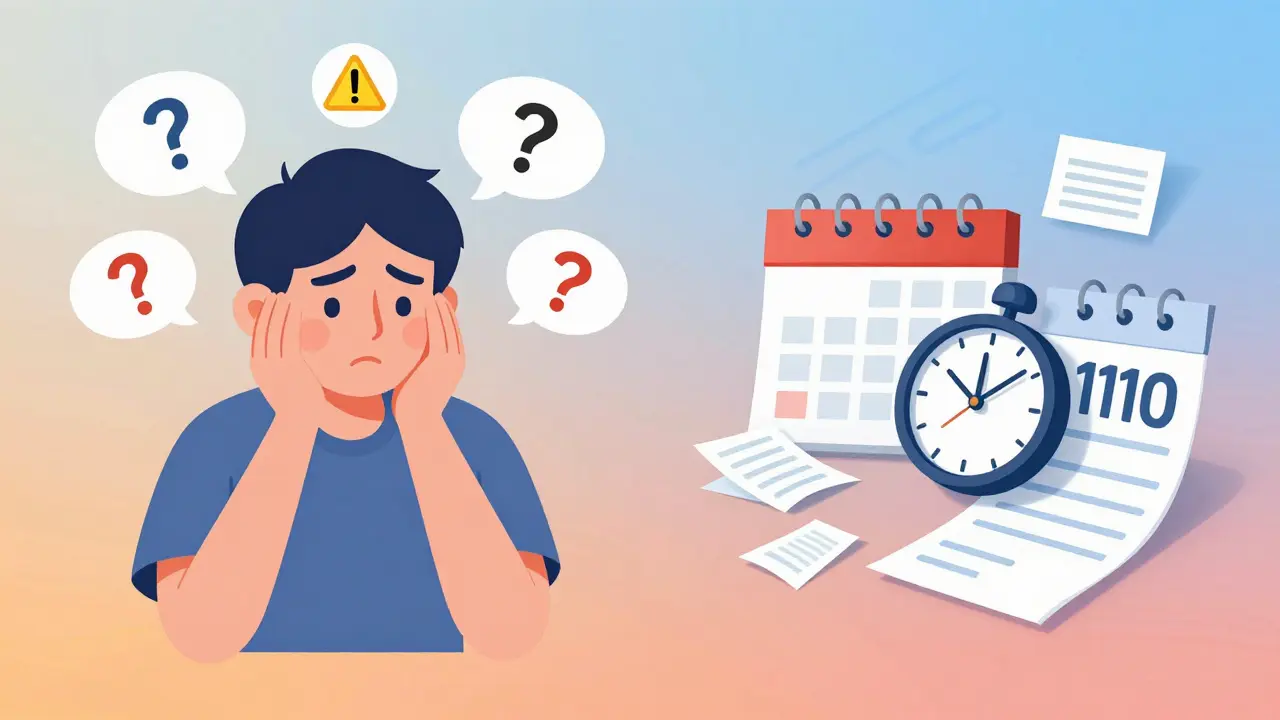
Imagine spending thousands of dollars on a state-of-the-art security system, only to leave the front door wide open. That is essentially what happens when someone is prescribed a life-saving drug but doesn't actually take it. It sounds simple-just swallow the pill-but for millions of people, it is a daily battle. In fact, the World Health Organization reports that about 50% of people with chronic conditions don't follow their treatment plans. This isn't usually about laziness; it is about a complex web of mental blocks and physical hurdles that make staying on track feel impossible.
When we talk about medication adherence, we are talking about the gap between what a doctor prescribes and what the patient actually does. It is a high-stakes game. For example, people who stick to their blood pressure meds are up to 45% more likely to actually get their blood pressure under control. On the flip side, skipping cardiovascular meds significantly bumps up the risk of heart attacks and emergency hospital visits. So, why does this keep happening?
The Mental Game: Perceptual Barriers
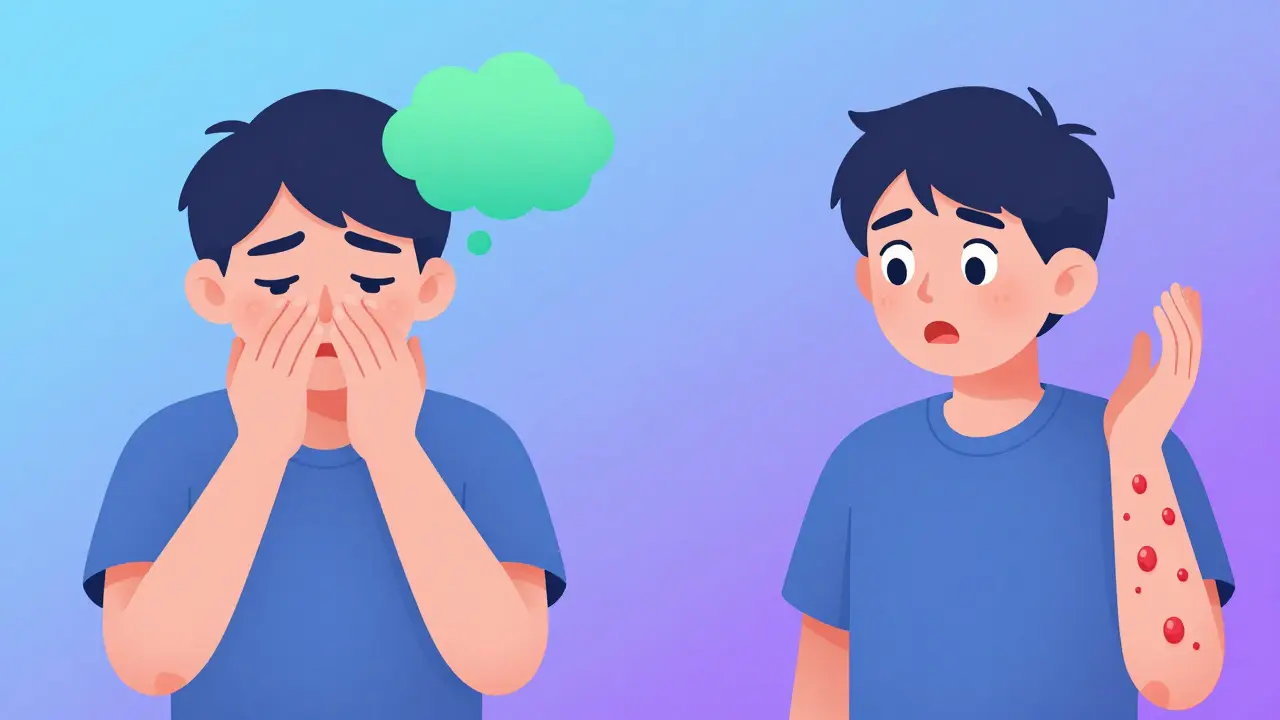
Some barriers aren't physical-they are in the head. These are called perceptual barriers. They are the internal whispers that tell a patient, "I feel fine today, so I don't really need this," or "I've heard this drug causes terrible side effects, and I'm not risking it."
Doubts about whether a treatment is even necessary are a massive driver of skipped doses, accounting for nearly half of non-adherence cases. Then there is the fear of side effects. If a medication makes someone feel dizzy or nauseous, they might stop taking it without telling their doctor. We also have to consider Health Literacy is the ability of an individual to find, understand, and use information and services to inform health-related decisions and actions . When a patient doesn't understand why a drug is necessary or how it works, their motivation plummets. In some groups, like diabetic patients over 59, low literacy is a major roadblock to staying healthy.
The Logistics Nightmare: Practical Barriers
Even if a patient wants to take their meds, the "how" can get in the way. These are practical barriers-the real-world friction that makes a simple task feel like a chore. The biggest culprit? Simple forgetfulness. In a study of older diabetic patients, 44% admitted they just forgot to take their meds.
Then there is the cost. It is a harsh reality that 20% to 30% of new prescriptions are never even filled because the price tag is too high. If you have to choose between rent and a monthly prescription, rent usually wins. Other practical hurdles include:
- Complex Instructions: Trying to remember if a pill is "twice daily," "every eight hours," or "before food" can be overwhelming.
- Formulation Issues: Some pills are too large to swallow, or the labels have print so small that patients accidentally take the wrong dose.
- Supply Chain Gaps: Pharmacy deserts or lack of transportation can mean a patient runs out of meds before they can get a refill.
The Danger of Too Many Pills: Polypharmacy
When a patient is taking a handful of different drugs, they hit a wall called Polypharmacy is the simultaneous use of multiple medications by a patient, often increasing the risk of drug interactions and non-adherence . It isn't just about the number of bottles on the counter; it is about the mental load. Research shows that for every additional medication a person starts, the chance they will skip a dose increases by about 16%.
Dosing frequency is another critical factor. There is a huge difference between taking one pill a day and taking four. Adherence rates for once-a-day regimens hover around 79%, but for those requiring four or more doses, that number crashes to 51%. It is a simple matter of math: more opportunities to forget equals more missed doses.
| Dosing Frequency | Average Adherence Rate | Impact Level |
|---|---|---|
| Once Daily | 79% | Low Friction |
| Twice Daily | Approx. 65-70% | Moderate Friction |
| 4+ Times Daily | 51% | High Friction |
How to Break the Cycle
Fixing this problem requires more than just a "don't forget" reminder. The most successful strategies tackle both the mental and practical sides at once. For example, simplifying a dosing schedule (a practical fix) often makes a patient feel more confident and motivated (a perceptual fix).
One effective approach is Medication Synchronization is the process of aligning all of a patient's prescriptions to be refilled on the same day each month . This reduces the number of pharmacy trips and the likelihood of running out of one specific drug. Additionally, moving to 90-day mail-order prescriptions has been shown to boost adherence by 15-20% because it removes the monthly trip to the store.
New tech is also stepping in. AI tools can now analyze patient records to predict who is most likely to skip their meds with about 82% accuracy, allowing doctors to intervene before a crisis happens. On the pharmaceutical side, long-acting injectables are changing the game. For conditions like schizophrenia, switching from a daily pill to a long-acting shot jumped adherence rates from 45% to 85%.
Common Pitfalls in Management
A big mistake many make is relying solely on apps. While a reminder on a phone is great for a 25-year-old, about 42% of patients over 65 feel uncomfortable with digital tools. Pushing a high-tech solution on a low-tech patient often just adds another barrier. Training is key; some seniors need three to five dedicated sessions just to get comfortable with a medication app.
Another gap is the "15-minute visit." Most primary care appointments are too short for a doctor to actually ask, "Are you taking these? If not, why?" This lack of guidance is a major issue-some reports suggest that inadequate counseling accounts for over half of all non-adherence cases. When a patient doesn't understand *why* they are taking a drug at bedtime versus the morning, they are far more likely to experiment with the timing, which can ruin the treatment's effectiveness.
What is a 'good' adherence rate?
Doctors often use the Medication Possession Ratio (MPR) to measure this. Generally, an MPR of 0.80 or higher (meaning you have the medication for 80% of the days in a period) is considered adequate adherence, though some critical medications require a much higher rate to be effective.
Why is cost still such a huge barrier in 2026?
Despite new payment models, the high cost of specialty drugs and gaps in insurance coverage mean many patients still face "sticker shock" at the pharmacy. This leads to "primary non-adherence," where a patient never even fills the first prescription.
Can I just take a double dose if I miss one?
Never do this without asking your doctor. Doubling up can lead to toxicity or severe side effects depending on the drug. The best move is to check the patient information leaflet or call your pharmacist for the specific "missed dose" protocol for that medication.
Does depression make it harder to take medication?
Yes, but it is complicated. While depression can sap the motivation needed to keep a strict schedule, some studies show that once other practical barriers (like cost or transport) are removed, the link between depression and non-adherence is weaker than previously thought.
How can I help a family member who keeps forgetting their meds?
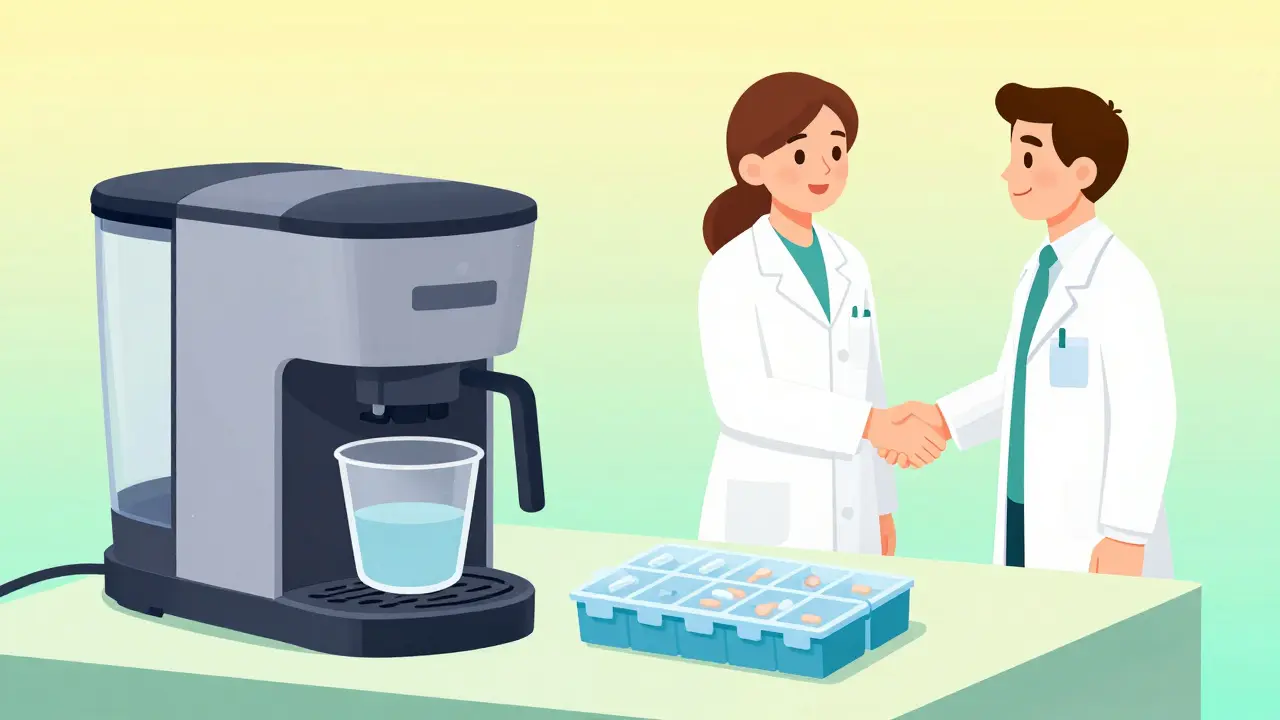
Start by simplifying. Use a pill organizer (pillbox) or ask the pharmacist about medication synchronization. Instead of nagging, try to understand if they are scared of a side effect or if the instructions are confusing, then help them discuss these specific concerns with their doctor.
What to do next
If you're struggling to stay on track, the first step is to be honest with your healthcare provider. They can't fix a problem they don't know exists. Ask about long-acting versions of your medication or if there is a combination pill that reduces the number of tablets you need to swallow.
For those managing a loved one's care, focus on the environment. Set up a dedicated "med station" in a place they visit every morning, like the coffee maker or the bathroom mirror. If the cost is the issue, ask the pharmacist for generic alternatives or look into patient assistance programs provided by the drug manufacturers.