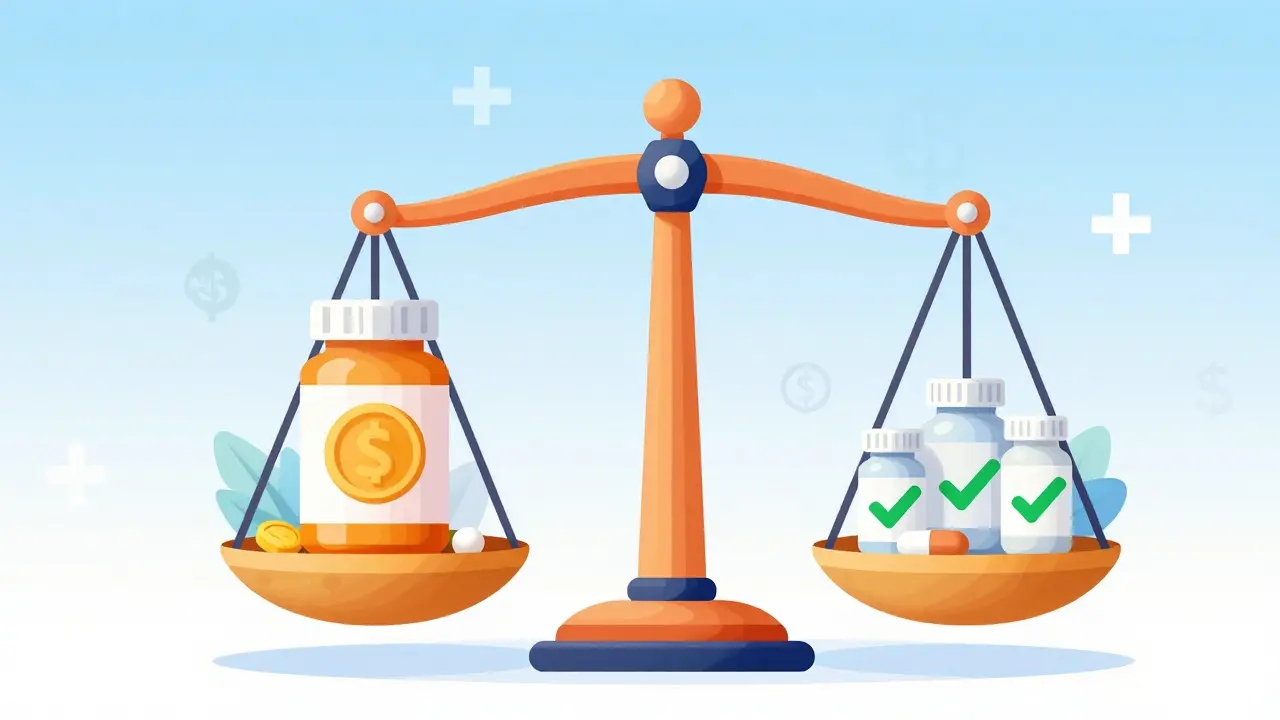
Ever wonder why your pharmacist might suggest a different brand of medication than the one on your prescription? Or why some drugs have a much lower copay than others? It isn't just a random choice by the pharmacy. In the U.S., states use a complex set of generic prescribing incentives to keep healthcare costs from spiraling out of control. By rewarding the use of generic drugs over expensive brand-name versions, states can save billions of dollars that would otherwise vanish into pharmaceutical marketing and patent premiums.
The goal is simple: get the same therapeutic result for a fraction of the price. But the way states actually do this is a mix of financial carrots and regulatory sticks. Whether it's through a list of "preferred" medications or laws that allow pharmacists to make a quick switch, these policies shape what ends up in your medicine cabinet.
The Core Tools: How States Push Generic Use
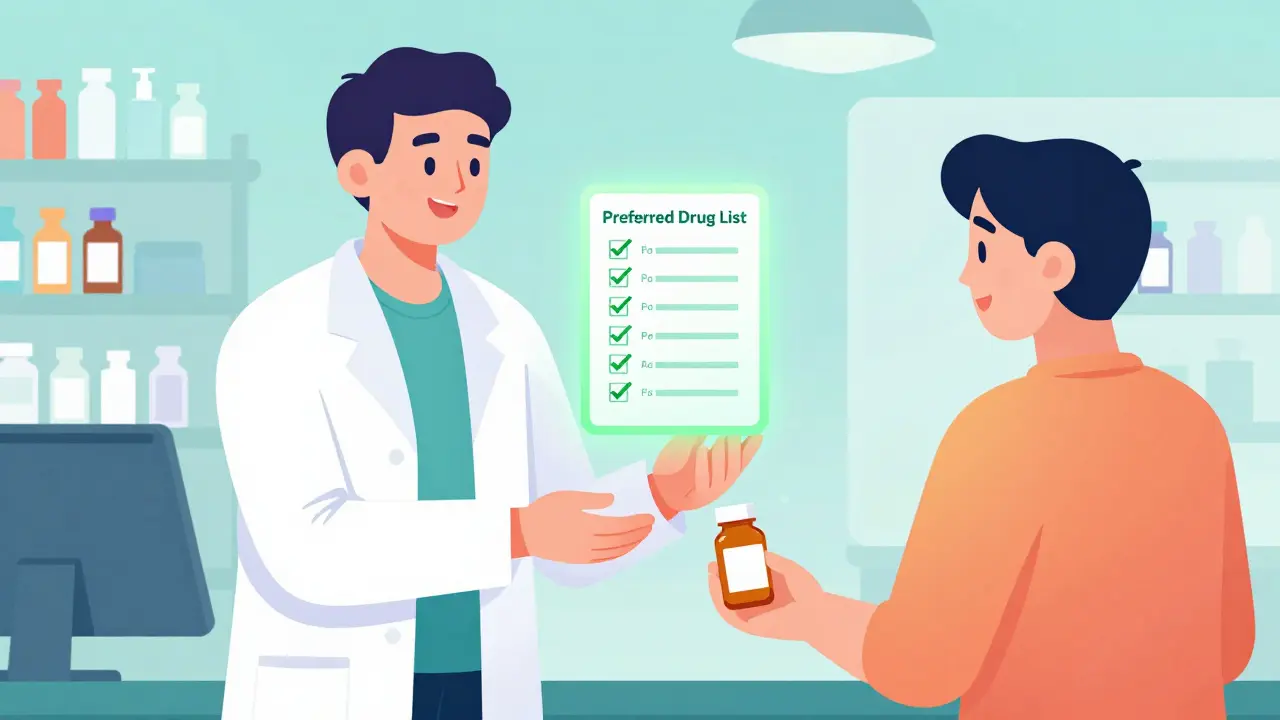
States don't just ask doctors to be frugal; they build systems that make generics the path of least resistance. The most common tool is the Preferred Drug List (or PDL), which is a list of medications that a state's Medicaid program agrees to cover with minimal hurdles. As of 2019, 46 out of 50 states used PDLs to steer prescriptions toward lower-cost options.
If a doctor prescribes a drug that isn't on the PDL, the state might require "prior authorization." This means the doctor has to jump through hoops and prove why the expensive brand is necessary before the insurance will pay. In many cases, states also attach higher copayments to non-preferred drugs. This puts the financial pressure on the patient, which usually leads to a conversation with the doctor about switching to a generic alternative.
Another heavy hitter is the Medicaid Drug Rebate Program (MDRP). This is a foundational system where drug manufacturers must give states a discount-at least 13% of the Average Manufacturer Price for generics-just to have their drugs covered by Medicaid. This creates a baseline of savings that states then build upon by negotiating even deeper "supplemental rebates" for the drugs they put on their PDLs.
| Mechanism | Primary Target | How it Works | Impact Level |
|---|---|---|---|
| Preferred Drug Lists (PDL) | Prescribers/Patients | Higher copays or prior authorization for brand names | Very High (46/50 states use) |
| Presumed Consent Laws | Pharmacists | Pharmacists swap to generic without asking patient first | High (Increases use by ~3.2%) |
| Copay Differentials | Patients | Cheaper out-of-pocket cost for generics | Moderate to High |
| 340B Pricing Program | Safety-net Providers | Deep discounts (20-50%) for eligible clinics | Institutional High |
The Battle of Substitution Laws: Presumed vs. Explicit Consent
One of the most interesting tensions in pharmacy law is how much a pharmacist is allowed to "intervene" in a doctor's order. This usually boils down to two types of substitution laws: presumed consent and explicit consent.
In explicit consent states, the pharmacist has to ask the patient if they are okay with a generic version. It sounds polite, but it creates a friction point. In presumed consent states, the law assumes the patient wants the cheaper, equivalent generic unless they specifically say no. Research from the National Institutes of Health (NIH) found that presumed consent laws are significantly more effective, increasing generic dispensing rates by about 3.2 percentage points.
Why does this matter? The NIH estimated that if all states shifted to presumed consent, the U.S. could save roughly $51 billion annually. It turns out that when the "default" option is the generic, people stick with it. In contrast, mandatory substitution laws (where the pharmacist must switch) haven't shown much extra impact because pharmacists already have a financial incentive to dispense generics anyway.
The 340B Program and Institutional Savings
While PDLs and substitution laws target the pharmacy counter, the 340B Drug Pricing Program targets the provider. Launched in 1992, this program allows "covered entities"-like children's hospitals or clinics serving low-income populations-to buy drugs at a massive discount. According to the Government Accountability Office (GAO), these entities can see cost savings between 20% and 50%.
This creates a powerful institutional incentive to use generics. When a clinic saves 50% on a drug, they can reinvest those funds into more staff or better equipment. However, it's not without headaches. States have had to navigate complex reimbursement policies to ensure that these discounts don't lead to fraud or pricing loopholes, especially when dealing with retail pharmacy partnerships.
The Hidden Risks: When Incentives Backfire
You might think more incentives always equal more savings, but it's not that simple. There is a tipping point where aggressive cost-cutting can actually damage the drug supply. This is often seen through "Medicaid inflation rebates."
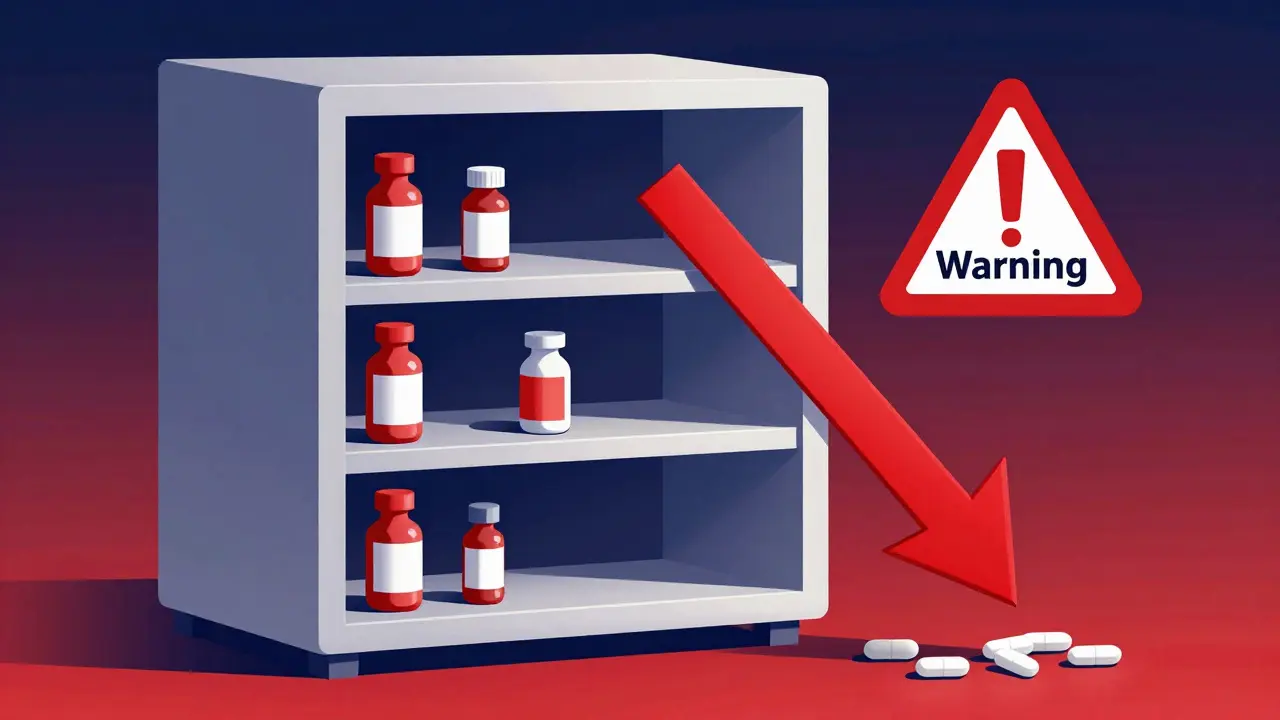
When states push prices too low or demand too many rebates, some generic manufacturers find that selling to Medicaid is no longer profitable. According to an analysis by Avalere Health, there are five specific scenarios-such as sudden drug shortages or raw material cost spikes-where the rebate structure makes a drug a financial loser for the manufacturer. When this happens, companies don't just eat the loss; they withdraw the drug from the Medicaid market entirely.
This creates a paradoxical situation: a state's attempt to save money on a generic drug can lead to that drug becoming unavailable, forcing patients back toward expensive brand-name options or causing dangerous shortages.
Looking Ahead: The Federal Influence
While states lead the charge, the federal government is starting to provide new templates. One example is the Medicare $2 Drug List Model being developed by CMS. The goal here is to standardize cost-sharing for very low-cost generics, making it easier for Medicare Part D beneficiaries to access affordable meds without worrying about complex tiers.
As we move forward, the trend is shifting away from trying to convince doctors (who are often loyal to brands) and toward influencing the consumer and the pharmacist. The evidence suggests that patient-facing incentives-like a $2 copay versus a $20 copay-are far more effective than any "suggestion" given to a healthcare provider.
What is the difference between a brand-name drug and a generic?
A generic drug is a medication created to be the same as an already approved brand-name drug in dosage, safety, strength, and quality. Once the patent on a brand-name drug expires, other companies can apply to the FDA to sell the generic version, which is usually much cheaper because the generic makers didn't have to pay for the initial research and development.
How does a Preferred Drug List (PDL) affect my prescription?
If your medication is on the PDL, your insurance (especially Medicaid) will likely cover it with a low copay. If it's not on the list, your doctor may need to submit a "prior authorization" request to justify the use of that specific drug, or you may have to pay a significantly higher out-of-pocket cost.
Can a pharmacist change my medication without my permission?
It depends on your state's laws. In "presumed consent" states, pharmacists can substitute a generic for a brand-name drug unless the doctor specifically wrote "Dispense as Written" (DAW) or the patient objects. In "explicit consent" states, the pharmacist is generally required to ask for your permission first.
Why do states use rebates to lower drug costs?
Rebates allow states to lower the actual cost they pay for medications without necessarily changing the price the consumer sees at the counter. By negotiating supplemental rebates, states can use the "threat" of removing a drug from their Preferred Drug List to force manufacturers to lower their prices.
What is the 340B program?
The 340B program is a federal initiative that requires drug manufacturers to provide outpatient drugs to eligible healthcare providers (like safety-net hospitals and clinics) at significantly reduced prices. This helps these providers stretch their budgets to treat more low-income patients.