What to Do Right Now If Your Medicine Is Recalled
If you hear your medication has been recalled, don’t panic. But also don’t ignore it. About 80% of recalls are started by drug companies themselves-not because something went terribly wrong, but because they found a small issue and want to fix it before anyone gets hurt. Still, when the FDA issues a recall, you need to act fast. Not because every recalled pill is dangerous, but because some could be.
The FDA classifies recalls into three levels. Class I is the most serious: use of the drug could cause serious harm or death. These make up only about 15% of all recalls. Class II means possible temporary or reversible side effects. Class III is the lowest risk-usually a labeling mistake or packaging error that doesn’t affect how the drug works. Most recalls fall into Class II or III. But even a Class III recall matters because it means something went wrong in the process.
Here’s the truth most people miss: medication recall doesn’t mean stop taking your medicine right away. In fact, stopping suddenly can be more dangerous than continuing with the recalled batch-especially for drugs like blood pressure pills, diabetes meds, or seizure medications. During the 2021 valsartan recall, the FDA specifically told patients: "Keep taking your medicine until your doctor or pharmacist gives you a safe replacement." High blood pressure doesn’t wait. Neither does your body’s need for insulin.
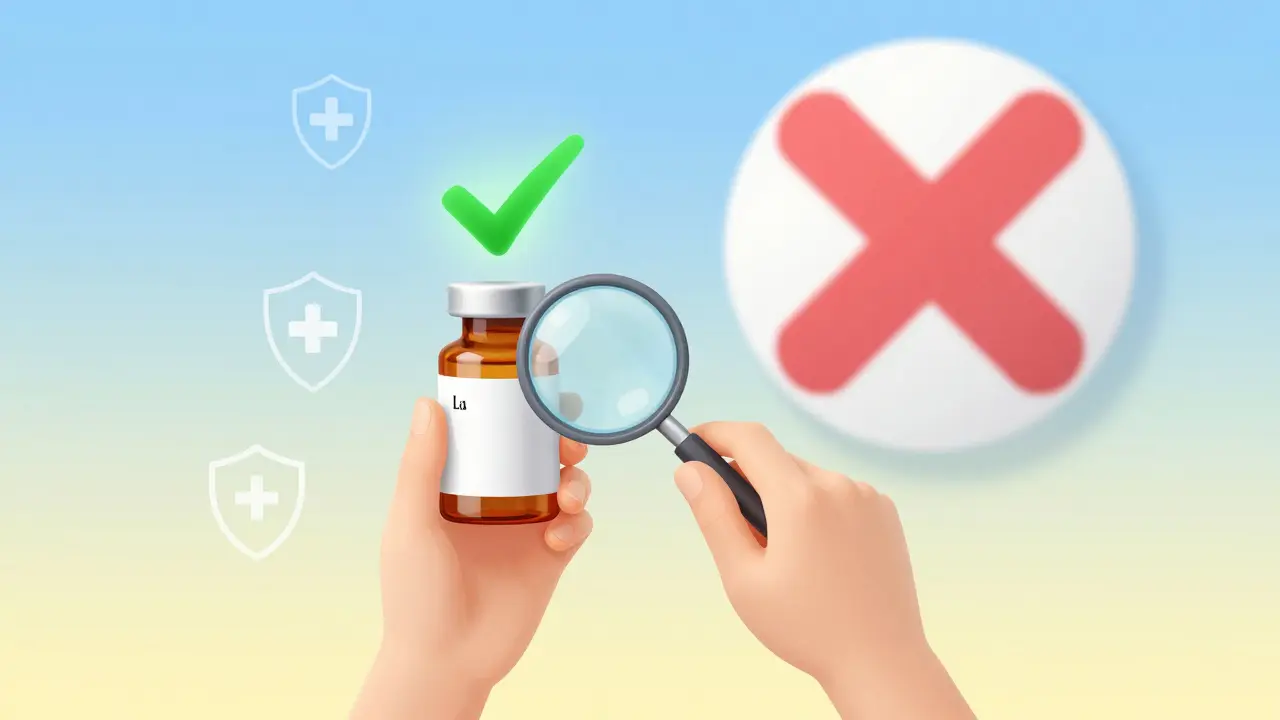
Check Your Lot Number-Not Just the Brand Name
Not every bottle of a recalled drug is affected. Only specific batches are. That’s why checking the lot number is non-negotiable. Look at the packaging. You’ll see a string of letters and numbers-this is your lot number. It’s usually near the expiration date. Compare it to the list on the FDA’s website. Don’t assume your bottle is safe just because the brand name matches. In 2022, 45% of patients mistakenly thought all lots of a recalled drug were unsafe. They didn’t check the lot number. That’s how people end up throwing away perfectly good medicine-or worse, keeping a dangerous one.
Manufacturers are required to include exact details in recall notices: brand name, dosage, lot number, NDC code, and why it was recalled. If the notice doesn’t have this, it’s not official. Fake recall alerts circulate online. Always go to the FDA’s website to verify. Type in your drug’s name, then filter by "Drug" under Product Type. Click on the recall notice. It will show you the exact lot numbers affected. If yours is listed, take action. If not, you’re fine.
Call Your Pharmacy First
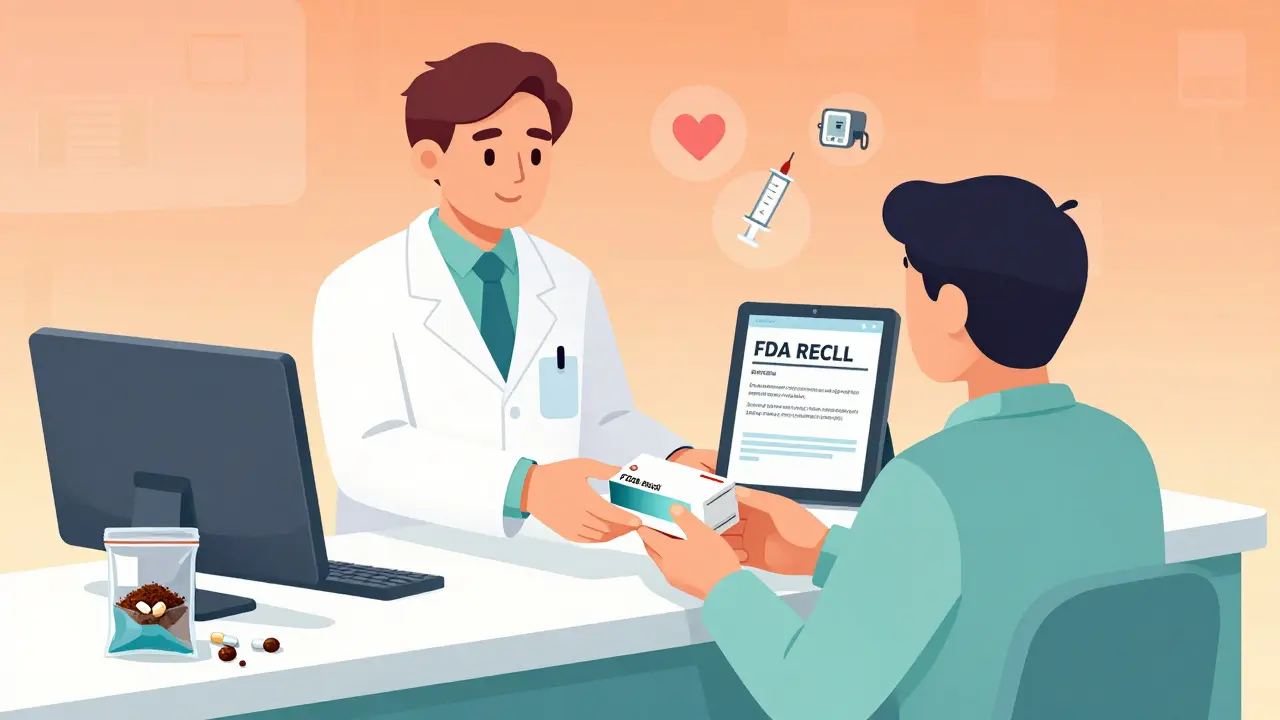
Your pharmacy is your best ally during a recall. Most pharmacies have a recall response system already in place. According to the American Pharmacists Association, 92% of pharmacies can confirm whether your specific medication is affected and have a replacement ready within 24 to 48 hours. Don’t wait for your doctor. Call your pharmacy. They can tell you if your lot is recalled, if they have a safe version in stock, and whether you need a new prescription.
Pharmacists also know which alternative brands or generic versions are equivalent. If your usual brand is recalled, they might switch you to a different manufacturer’s version of the same drug. That’s legal, safe, and often faster than waiting for your doctor to write a new script. Many people don’t realize this is an option. They panic, stop their medicine, and end up in the ER because their blood pressure spiked or their blood sugar crashed.
Don’t Flush or Toss It-Dispose Safely
If your pharmacy tells you to get rid of the recalled medicine, don’t just throw it in the trash or flush it down the toilet. That’s harmful to the environment and dangerous if kids or pets find it. The FDA recommends mixing the pills or liquid with something unappetizing-like used coffee grounds, cat litter, or dirt. Put it in a sealed plastic bag or container. Then throw it in the household trash. This makes it unappealing and hard to access.
If you’re unsure how to dispose of it, ask your pharmacist. Some pharmacies have take-back programs. Others will give you a prepaid mailer to send it back safely. Never assume disposal instructions are the same for every recall. Some recalls require special handling, especially for controlled substances or chemotherapy drugs. Always follow the official instructions.
Watch for Symptoms-And Write Them Down
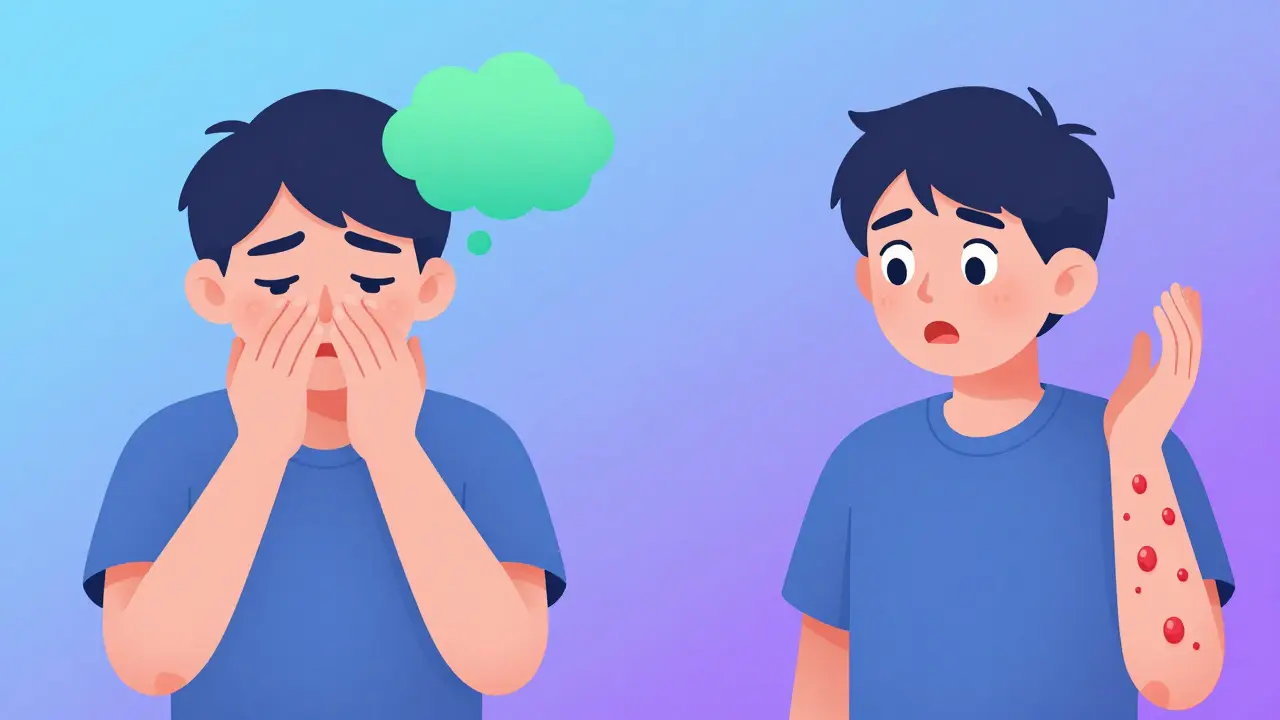
If you’ve taken a recalled medication, especially a Class I or II recall, pay attention to how you feel. Did you start having dizziness, nausea, unusual fatigue, skin rashes, or irregular heartbeat? These could be signs the drug affected you. Write down exactly what happened, when, and how long it lasted. Keep a log: date, time, dose taken, symptoms. This isn’t just helpful-it’s critical.
The FDA’s Adverse Event Reporting System (FAERS) got over 1.2 million reports in 2022. About 8% of those came from people who had taken drugs later recalled. Many of those reports led to new safety findings. Your report could help prevent someone else’s harm. Use the FDA’s MedWatch program to submit your experience directly. You don’t need a doctor’s note. Just go to the FDA website and fill out the form. It takes 10 minutes.
What Not to Do
There are three big mistakes patients make during recalls:
- Stopping your medicine without talking to a provider. This caused 22% of complications during recalls in 2022. Your body depends on that drug. Stopping it cold turkey can trigger strokes, seizures, or heart attacks.
- Assuming your brand is unsafe just because it’s on the list. Lot numbers matter. If yours isn’t listed, you’re safe. Don’t waste medicine you don’t need to.
- Throwing pills in the trash or flushing them. This pollutes waterways and risks accidental poisoning. Always mix with coffee grounds or cat litter first.
Also, don’t rely on social media or news headlines. They often oversimplify. A headline might say "Blood Pressure Drug Recalled"-but it’s only one lot of one brand. You might be taking a different version. Always check the official source.
How to Stay Ahead of Future Recalls
Don’t wait for a recall to happen before you prepare. Start keeping a simple medication log. Write down:
- Drug name (brand and generic)
- Dosage
- Prescribing doctor
- Pharmacy name
- Lot number
- Expiration date
Take a photo of the bottle each time you fill a prescription. Store it in your phone’s notes. You can also use free apps like MyTherapy or Medisafe to track this automatically. The National Community Pharmacists Association found that patients who kept this log resolved recall issues 60% faster than those who didn’t.
Also, sign up for FDA recall alerts. The FDA offers an RSS feed and email notifications. You can also get alerts through your pharmacy benefit manager if you use a mail-order pharmacy. About 45% of healthcare professionals subscribe to these. You should too. It’s free. It’s instant. And it saves lives.
Why Recalls Are More Common Now
Recalls have gone up 12% since 2021. Why? It’s not because drugs are getting worse. It’s because systems are better. Manufacturers and regulators are catching problems earlier. In 2022, 65% of recalls came from manufacturing flaws-like pills sticking together or inconsistent dosing. Another 20% were labeling errors-wrong instructions, missing warnings. Only 5% were from unexpected side effects.
Most recalls are precautionary. They happen because a company found a problem during internal testing, not because someone got hurt. That’s actually good news. It means the system is working. The FDA’s 2023 Modernization Plan is making things even faster. New digital systems now alert patients directly through pharmacies and insurers. Pilot programs show a 35% improvement in how quickly people respond to recalls.
The most commonly recalled drugs? Blood pressure meds (especially ARBs like valsartan), diabetes drugs, and cancer treatments. These are critical medications. That’s why checking your lot number is so important. One bad batch can affect thousands. But your bottle? It might be perfectly fine.
Final Reminder
When a recall happens, you have three jobs: verify, contact, and act. Verify your lot number. Contact your pharmacy. Act on their advice. Don’t guess. Don’t panic. Don’t stop your medicine unless someone tells you to. And if you’re ever unsure, call your pharmacist. They’re trained for this. They want you to be safe. And they’re just a phone call away.
What should I do if my medication is recalled?
First, don’t stop taking your medicine unless your doctor or pharmacist tells you to. Then, check the lot number on your bottle against the official recall notice on the FDA website. Call your pharmacy-they can confirm if your specific batch is affected and usually have a replacement ready within 1-2 days. Follow their instructions for disposal or switching medications.
Are all pills from a recalled brand unsafe?
No. Only specific batches, identified by lot number, are affected. Most recalls impact a small percentage of products. In 2022, 45% of patients incorrectly assumed all lots were unsafe. Always check the lot number before assuming your medicine is recalled.
Can I just throw away a recalled medicine?
No. Never flush pills or toss them in the regular trash. Mix them with something unappealing like coffee grounds or cat litter, seal them in a plastic bag, and throw them in the household trash. This prevents children, pets, or others from accidentally ingesting them. Some pharmacies offer take-back programs-ask your pharmacist.
Why does the FDA say not to stop taking a recalled drug?
Stopping certain medications suddenly-like those for high blood pressure, diabetes, or seizures-can cause serious health risks, including stroke, heart attack, or seizures. The FDA has found that the harm from stopping the drug often outweighs the risk from the recalled batch. Always consult your doctor or pharmacist before making any changes.
How do I know if a recall notice is real?
Only trust official sources: the FDA website, your pharmacy, or your prescribing doctor. Fake recall alerts spread on social media. The FDA’s official notices always include the brand name, dosage, lot number, NDC code, and reason for recall. If it’s missing any of these, it’s not legitimate.
Should I report side effects after taking a recalled drug?
Yes. If you experience unusual symptoms after taking a recalled medication, report it to the FDA’s MedWatch program. Your report helps identify patterns and can lead to faster action on future recalls. You don’t need a doctor’s note-just go to the FDA website and fill out the form. It takes 10 minutes.
How can I prevent being caught off guard by a recall?
Keep a simple log of all your medications: name, dosage, lot number, and expiration date. Take a photo of each bottle when you fill a prescription. Sign up for FDA recall alerts via email or RSS. Patients who do this resolve recall issues 60% faster than those who don’t.