
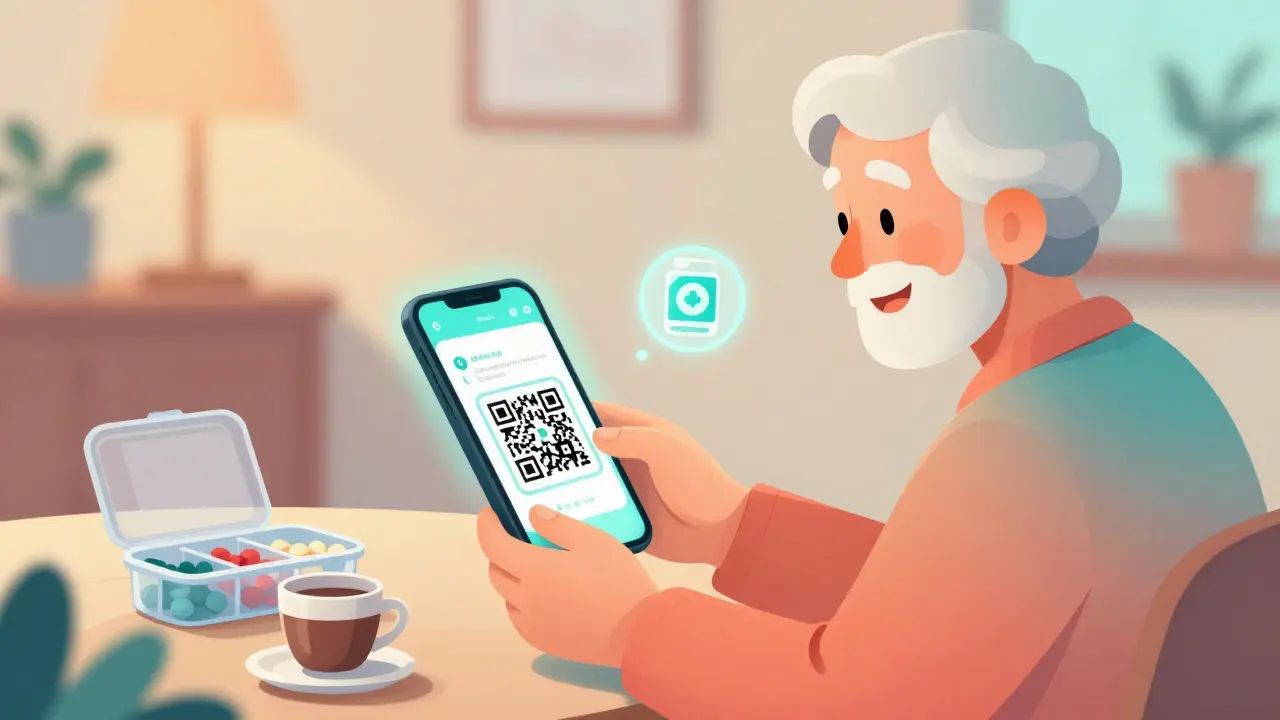
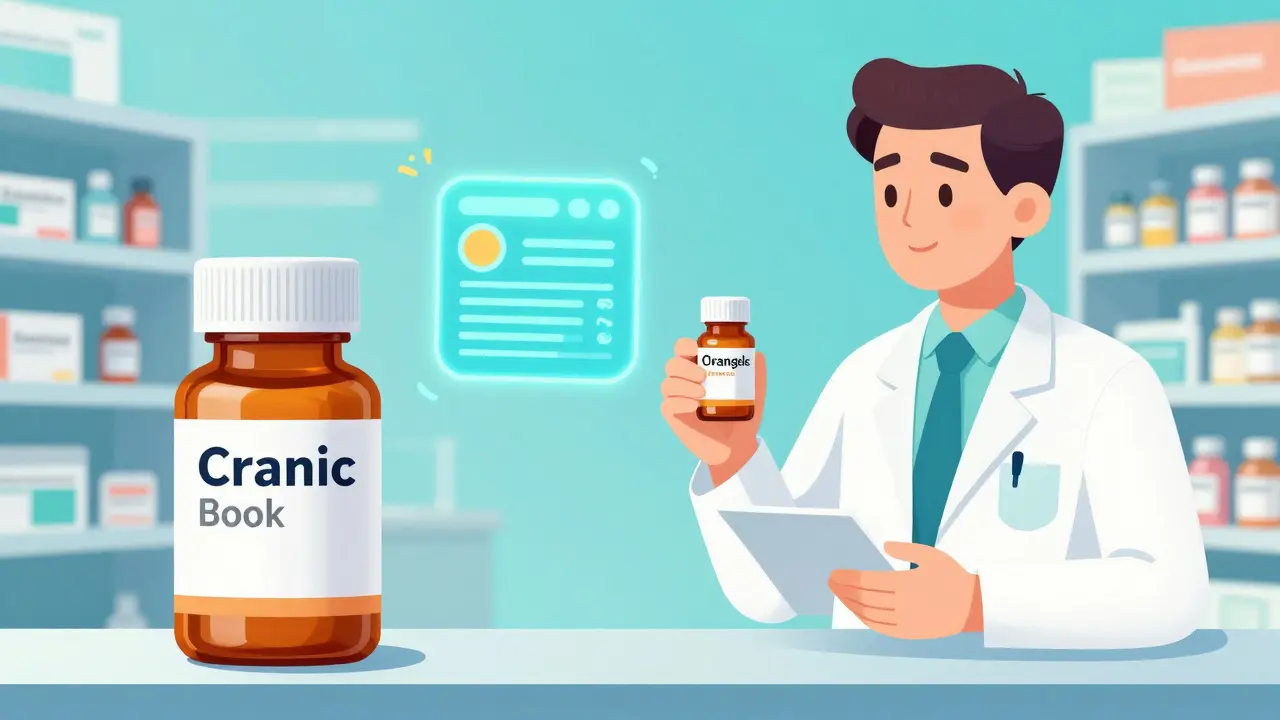
When you pick up your prescription, do you ever wonder what’s really on that tiny paper label? Most of it is cramped text you can barely read. But now, there’s a better way. A simple QR code on your medicine bottle or pill pack can unlock a full digital safety guide - dosing instructions, side effects, drug interactions, even videos showing how to take it right. This isn’t science fiction. It’s happening in pharmacies right now, and if you’re a patient, caregiver, or healthcare worker, you need to know how to use it.
Why QR Codes on Prescription Labels Matter
Every year, over 1.3 million people in the U.S. suffer preventable harm from medication errors. Many of these happen because patients don’t understand their prescriptions. Old-style labels are too small, too vague, or get lost. QR codes fix this by linking directly to up-to-date, easy-to-read digital information. According to a 2023 study in the Journal of Medical Internet Research, patients using QR code labels improved adherence by 28%. That means more people take their meds correctly - and fewer end up in the hospital.
The FDA started encouraging electronic labeling back in 2013, but real adoption exploded after 2020. During the pandemic, pharmacies had to cut in-person contact. QR codes became a lifeline. Today, 88% of pharmaceutical companies use dynamic QR codes on prescriptions. That’s not a trend - it’s the new standard.
Static vs. Dynamic QR Codes: What’s the Difference?
Not all QR codes are created equal. There are two types: static and dynamic.
Static QR codes are like a printed sign. Once you generate them, the link is fixed. If the information changes - say, a new warning is added - you have to reprint the whole label. That’s expensive and risky. Only 12% of pharmacies use these today.
Dynamic QR codes are smart. They point to a web address you can change anytime. Need to update dosing instructions? Just edit the landing page. The code stays the same. You can also track who scans it, where, and when. This helps pharmacies spot patterns - like if a lot of scans come from one region, maybe that drug’s instructions are confusing there.
Dynamic codes also let you test different versions. Try two landing pages: one with bullet points, one with video. See which one leads to fewer calls to the pharmacy. That’s how real improvements happen.
What Information Should the QR Code Lead To?
It’s not enough to just slap a code on a bottle. The digital content must be clear, complete, and easy to use. Based on Singapore’s 2024 e-labeling pilot and FDA guidance, here’s what every prescription QR code should include:
- Indication: Why you’re taking it - not just the drug name.
- Dosing instructions: When, how often, with or without food. Include warnings like "Do not crush."
- Contraindications: Conditions or meds that make this drug dangerous.
- Warnings and precautions: Things like "May cause dizziness" or "Avoid alcohol." Highlight critical ones.
- Drug interactions: What else you shouldn’t take with it - even over-the-counter stuff.
- Overdose info: What to do if too much is taken.
And don’t forget accessibility. The code should lead to a page that works with screen readers, has large text options, and supports multiple languages. In 2023, the Access Board found QR codes are 87% compatible with smartphone accessibility features - but only if they’re designed right.
How to Scan a Prescription QR Code
Most people think they need a special app. They don’t. Your phone’s camera already does it.
Here’s how:
- Open your phone’s camera app.
- Point it at the QR code on your pill bottle or packaging. Make sure it’s in focus.
- Wait a second - your phone will automatically detect it and show a notification.
- Tap the notification. It will open your browser to the safety page.
If nothing happens, check your settings. On iPhones, go to Settings > Camera and make sure "Scan QR Codes" is turned on. On Android, it’s usually enabled by default in the camera app.
Pro tip: If the code is on a curved surface - like a small vial - step back a little. A 1.5-inch square code works best. Anything smaller and your phone might struggle.
What Pharmacies Are Doing Right
Real-world examples show how powerful this tool can be.
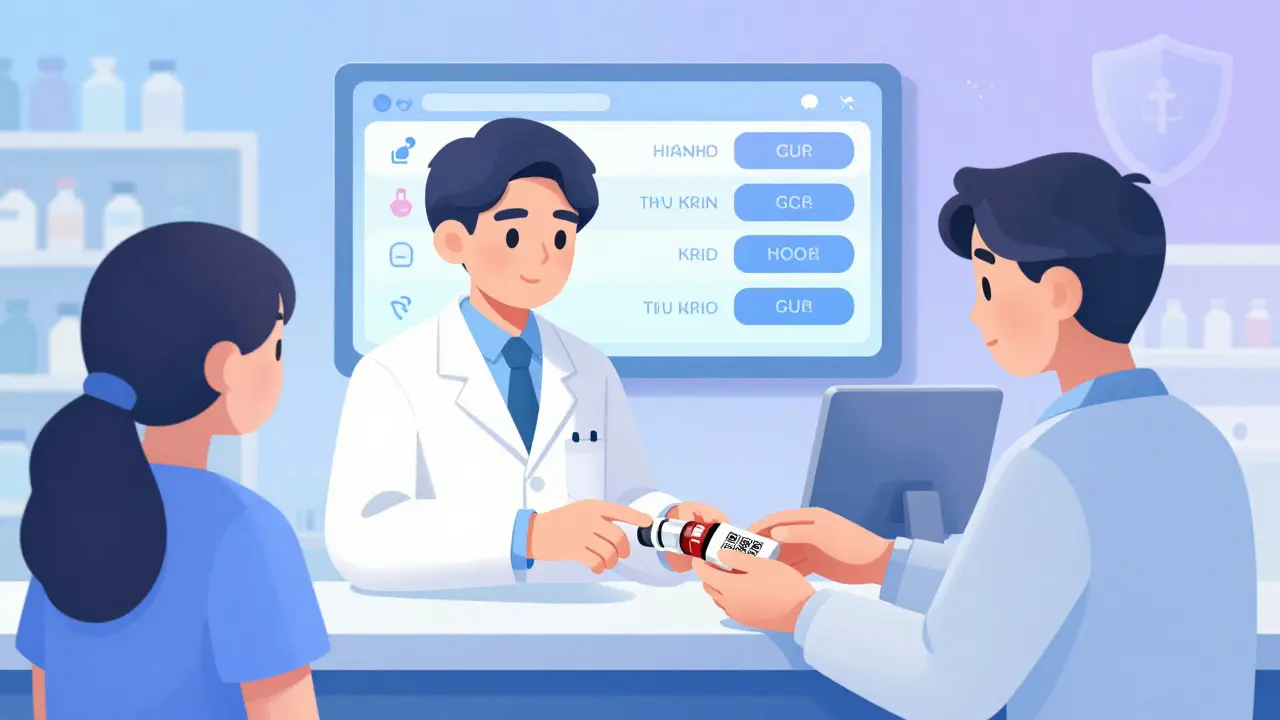
At a community pharmacy in Brisbane, staff started using QR codes on all prescriptions in early 2024. Within three months, patient callback questions dropped by 63%. Patients weren’t calling to ask, "Do I take this before or after food?" because the answer was right there.
In an ICU, nurses used QR codes on IV bags. Each code linked to a step-by-step video on how to prepare the solution. Errors in IV mixing fell by 41%. That’s not just efficiency - it’s life-saving.
DosePacker, a digital pill dispenser company, added QR codes to each dose cup. In a 2024 trial with heart failure patients, adherence jumped from 62% to 89%. Why? Patients could scan the code anytime to see a video of their doctor explaining why the meds mattered.
And it’s not just patients. Pharmacists using QR code systems report less stress. No more guessing if a patient understood the label. The system tells them.
Challenges and Pitfalls
It’s not perfect. Some patients struggle.
A 2023 survey in the American Journal of Managed Care found 23% of rural patients couldn’t access QR content because of poor internet. For them, a printed insert is still essential. Pharmacies must always provide both.
Older adults face another barrier. A 2023 study showed 38% of patients over 65 need help scanning QR codes. That’s not because they’re tech-illiterate - it’s because they’re not used to it. The solution? Staff training. Have someone show them once. Leave a printed guide with the prescription. Offer a phone number to call for help.
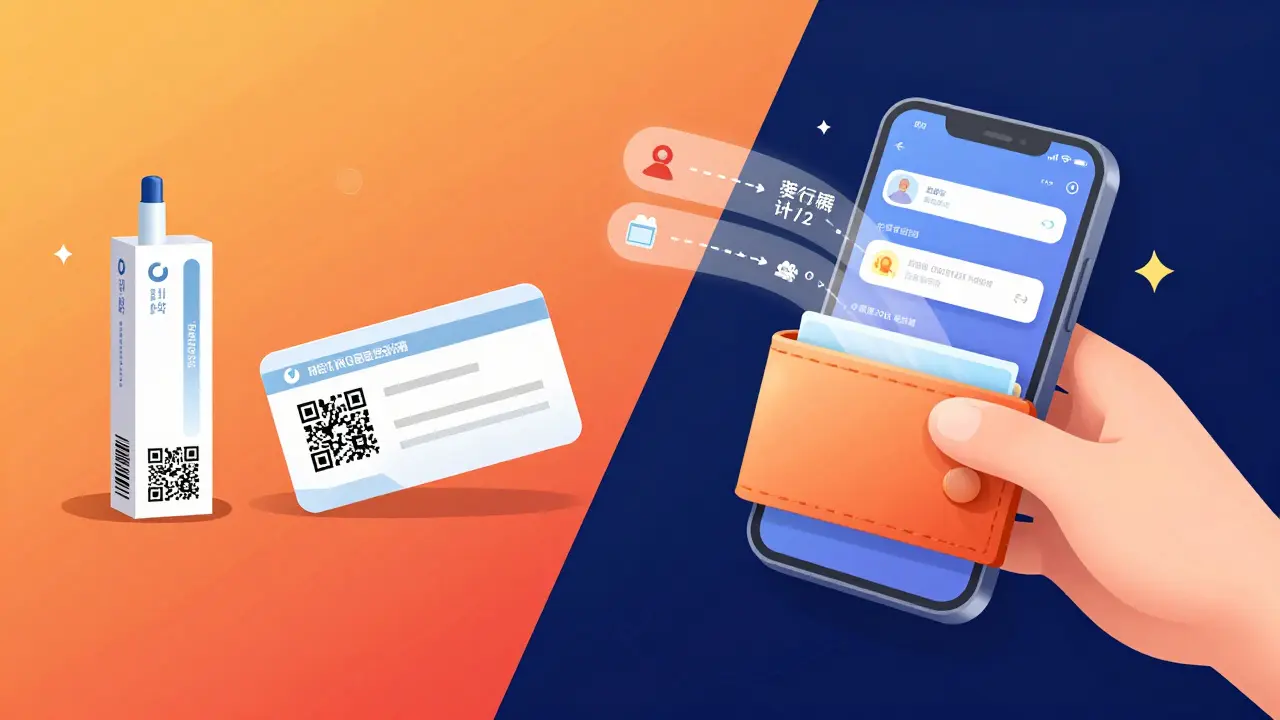
Another issue: small packaging. A tiny insulin pen can’t fit a 1.5-inch code. The fix? Use a larger label on the box, not just the pen. Or use a QR code on the patient’s medication card - the one they carry in their wallet.
And don’t forget training. One pharmacy reported it took 17 hours per technician to get staff comfortable with the system. That’s a lot. But the payoff? Fewer mistakes, fewer calls, more confident patients.
What’s Coming Next
The future is already here. By 2026, the EU plans to make QR codes mandatory on all prescription meds. The FDA is pushing for integration with Universal Device Identifiers (UDIs) so every medical device - from syringes to inhalers - has a digital trail.
Some companies are adding AI. Freyr Solutions launched a feature in May 2024 that checks your meds against your other prescriptions and alerts you to dangerous combinations - right on the QR landing page.
And language? Soon, the QR code will detect your phone’s language setting and show content in your native tongue. No more Google Translate headaches.
But the biggest change? Cost. QR codes cost $0.0003 per unit. RFID tags? Up to 50 cents. No wonder 92% of Fortune 500 drugmakers use them.
How to Get Started
If you’re a patient: Scan the code. Read the info. Save the link on your phone. Share it with your caregiver.
If you’re a pharmacist or pharmacy tech: Start with one drug. Use a dynamic QR code service like Clappia or sQR.me. Link it to clear, accessible content. Train your team. Track scans. See what patients are asking. Adjust.
If you’re a healthcare provider: Ask your pharmacy if they use QR codes. If not, suggest it. Push for digital safety tools. They’re not optional anymore - they’re part of responsible care.
QR codes aren’t replacing paper labels. They’re enhancing them. The physical label still says your name, the drug, and the dose. The QR code says everything else - clearly, safely, and in real time.
This isn’t just about technology. It’s about respect. Patients deserve to understand their meds. And now, they can.


Vanessa Drummond
February 22, 2026 AT 12:28Gabrielle Conroy
February 23, 2026 AT 23:45Spenser Bickett
February 25, 2026 AT 15:37Christopher Wiedenhaupt
February 25, 2026 AT 18:57John Smith
February 27, 2026 AT 13:11Shalini Gautam
February 28, 2026 AT 13:31Natanya Green
February 28, 2026 AT 16:29Steven Pam
March 1, 2026 AT 14:25Dominic Punch
March 2, 2026 AT 06:09Valerie Letourneau
March 3, 2026 AT 08:04Khaya Street
March 4, 2026 AT 13:19