India and China dominate the global generic drug market, supplying most of the world's affordable medicines. India leads in volume, China in value, and emerging economies are carving out critical niches. Here's how the supply chain really works.
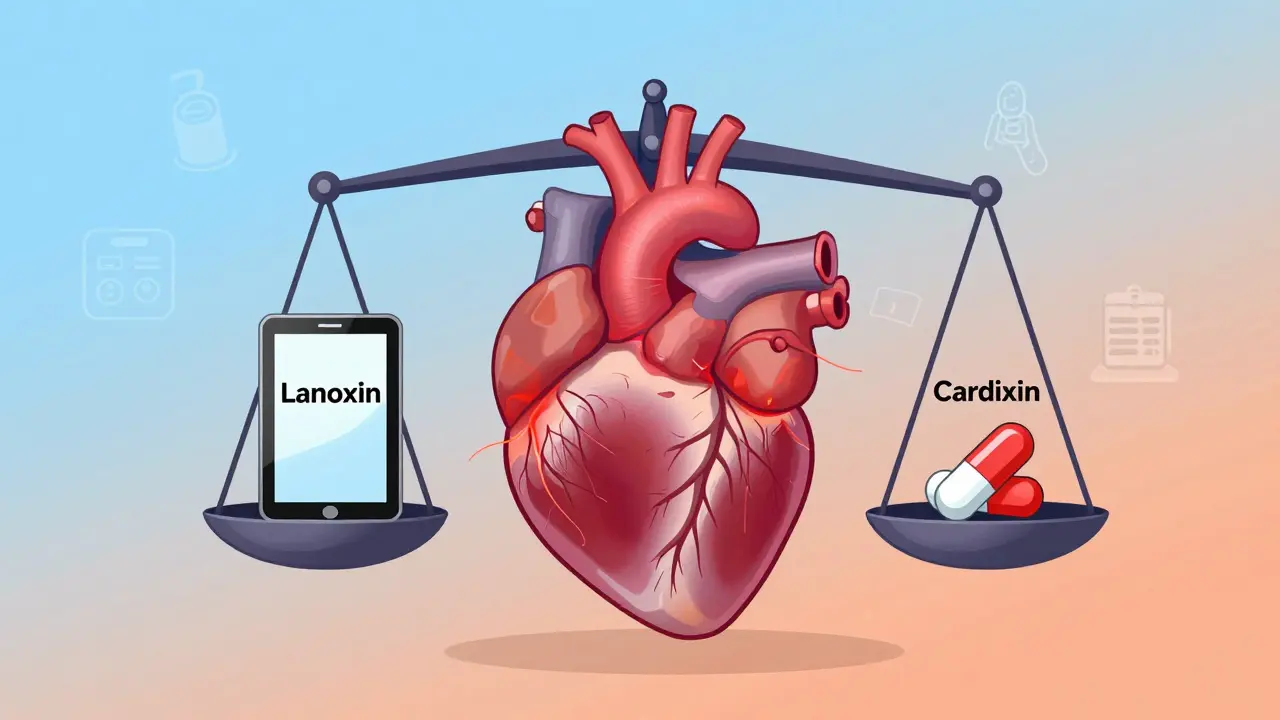
Digoxin generics may be bioequivalent on paper, but small differences in absorption can cause life-threatening toxicity or treatment failure. Learn why monitoring levels after any switch is critical for NTI drug safety.
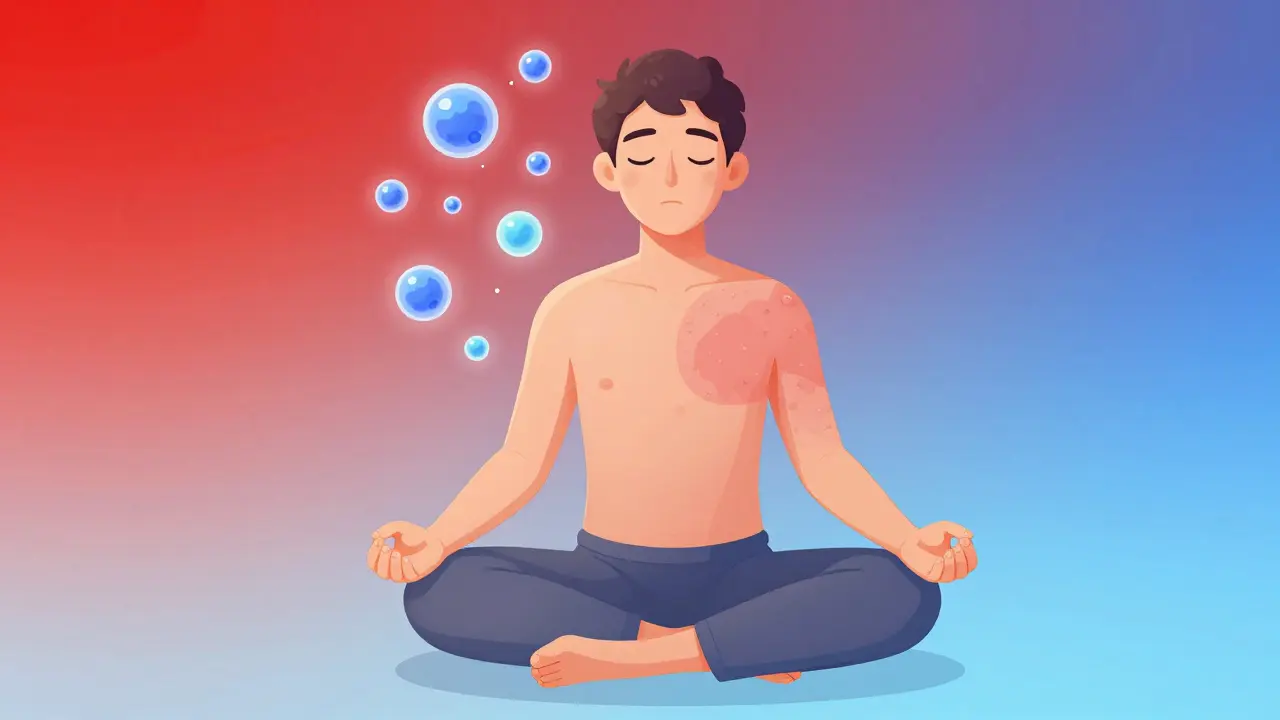
Discover how stress, infections, and skin barrier damage trigger psoriasis flare-ups. Learn science-backed strategies to manage these triggers and reduce symptoms for better quality of life.
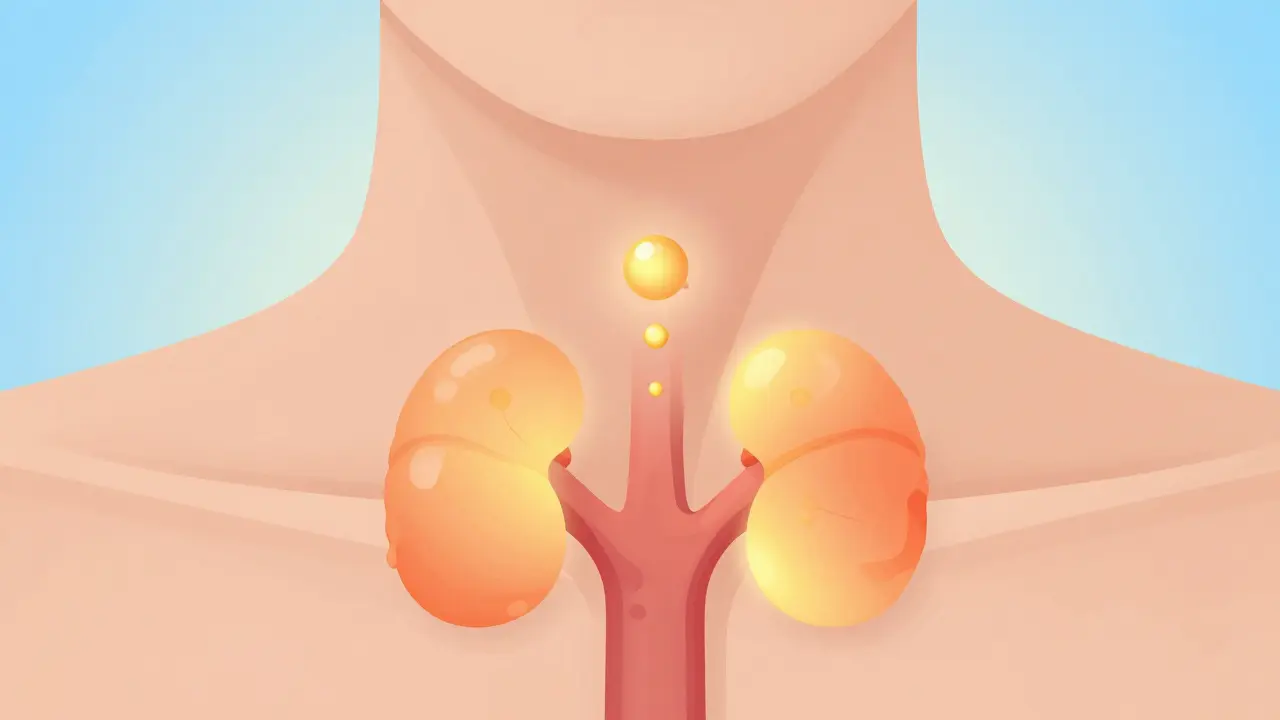
Hyperparathyroidism causes high calcium levels leading to bone loss and kidney stones. Surgery is the only cure. Learn about symptoms, diagnosis, and surgical options. Successful treatment reverses bone damage and improves quality of life.
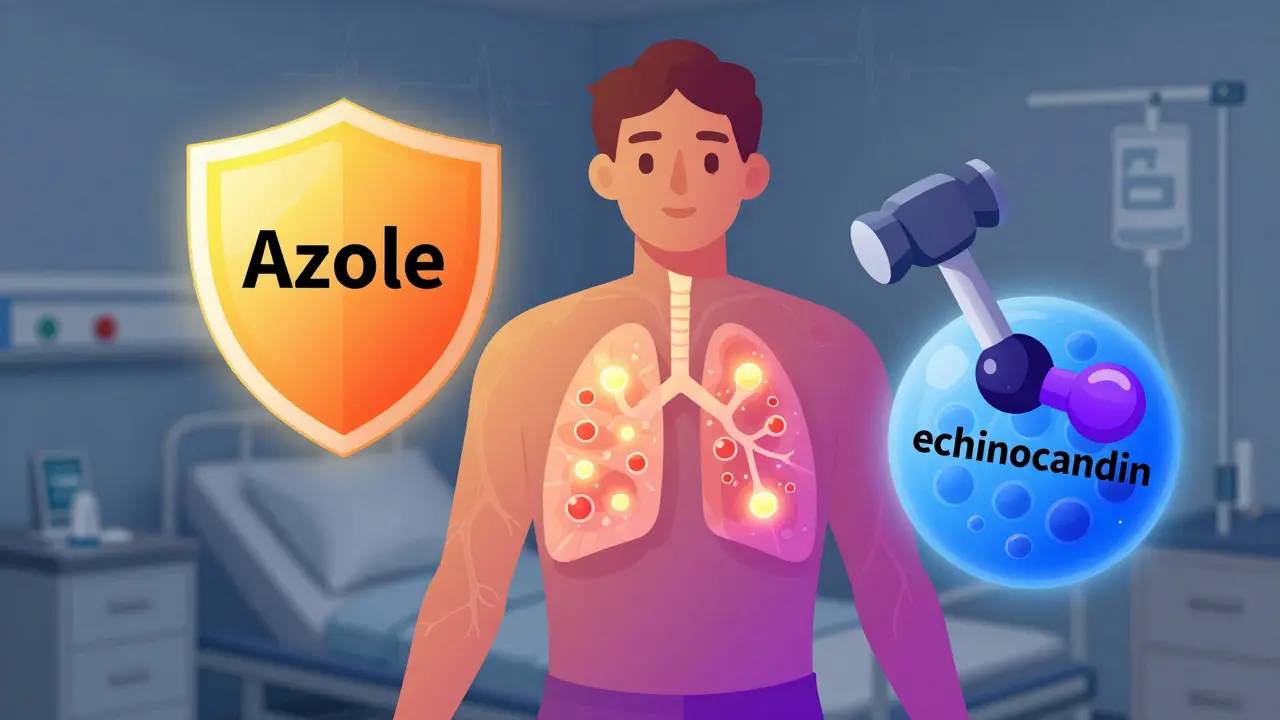
Azoles and echinocandins are key antifungal drugs used to treat serious fungal infections. Learn how they work, their safety risks, drug interactions, and when each is the best choice.

When a medication is recalled, don't panic or stop taking it. Check your lot number, call your pharmacy, and follow official instructions. Most recalls aren't life-threatening-but acting quickly keeps you safe.
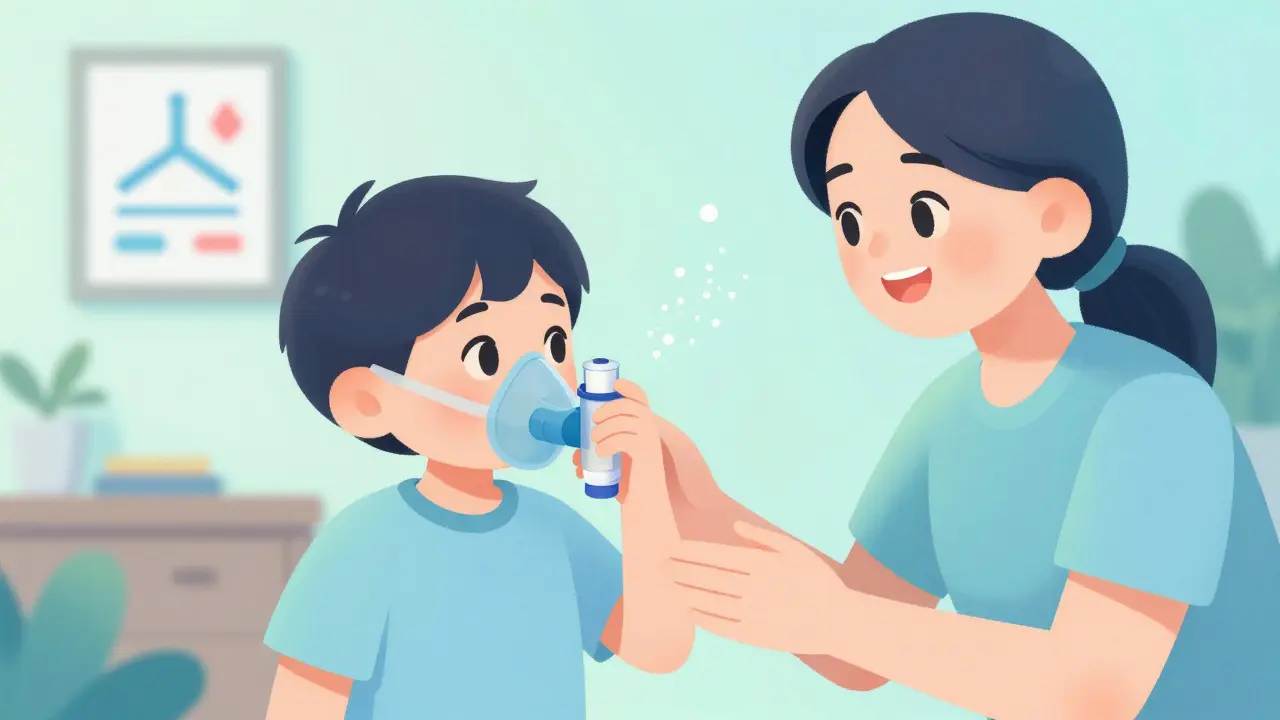
Spacers make asthma inhalers work better for kids, but only if used correctly. Schools, care plans, and consistent training are just as important as the device itself to prevent attacks and keep children safe.
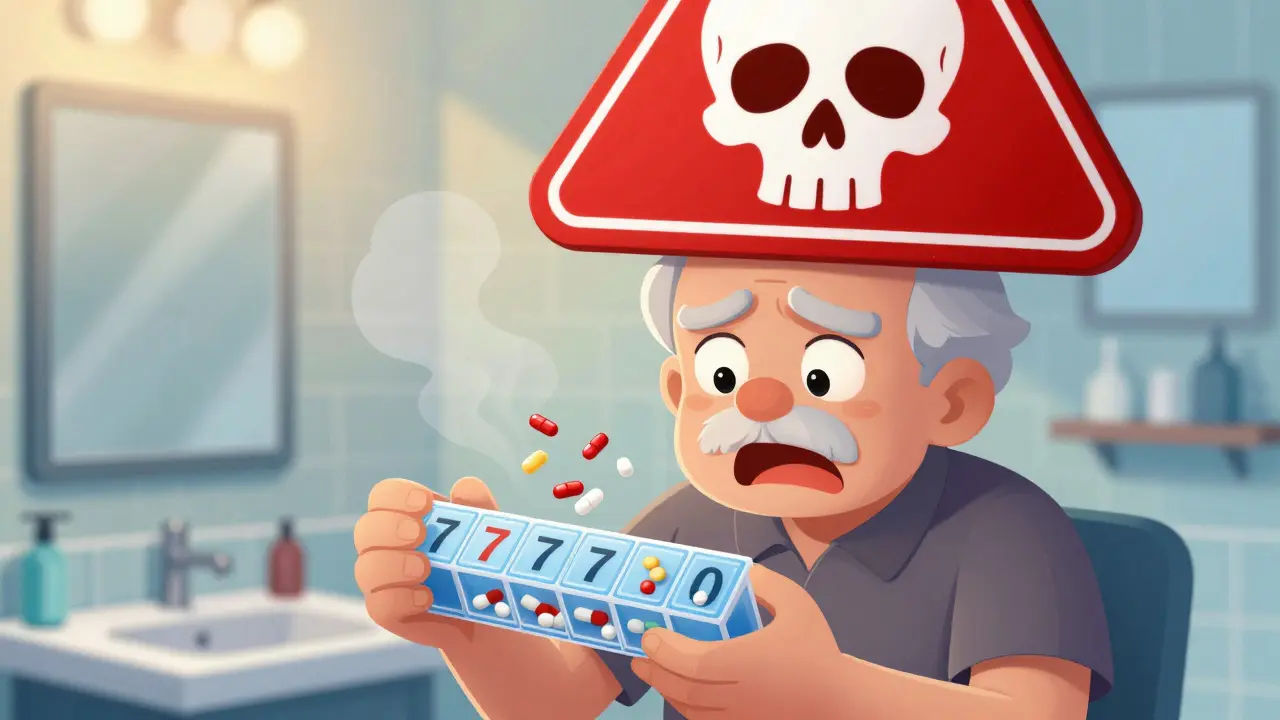
Learn how to use a pill organizer safely to avoid accidental overdoses. Step-by-step guide on filling, storing, and verifying medications with expert-backed tips.

Learn when to start colonoscopy screening for colorectal cancer, how chemotherapy regimens like FOLFOX and CAPOX work, and which screening options are best for you at age 45 and beyond.

Learn about the different types of hearing aids, how they're fitted, and the latest amplification technology. Get real insights on OTC vs. prescription models and what works best for your needs.