
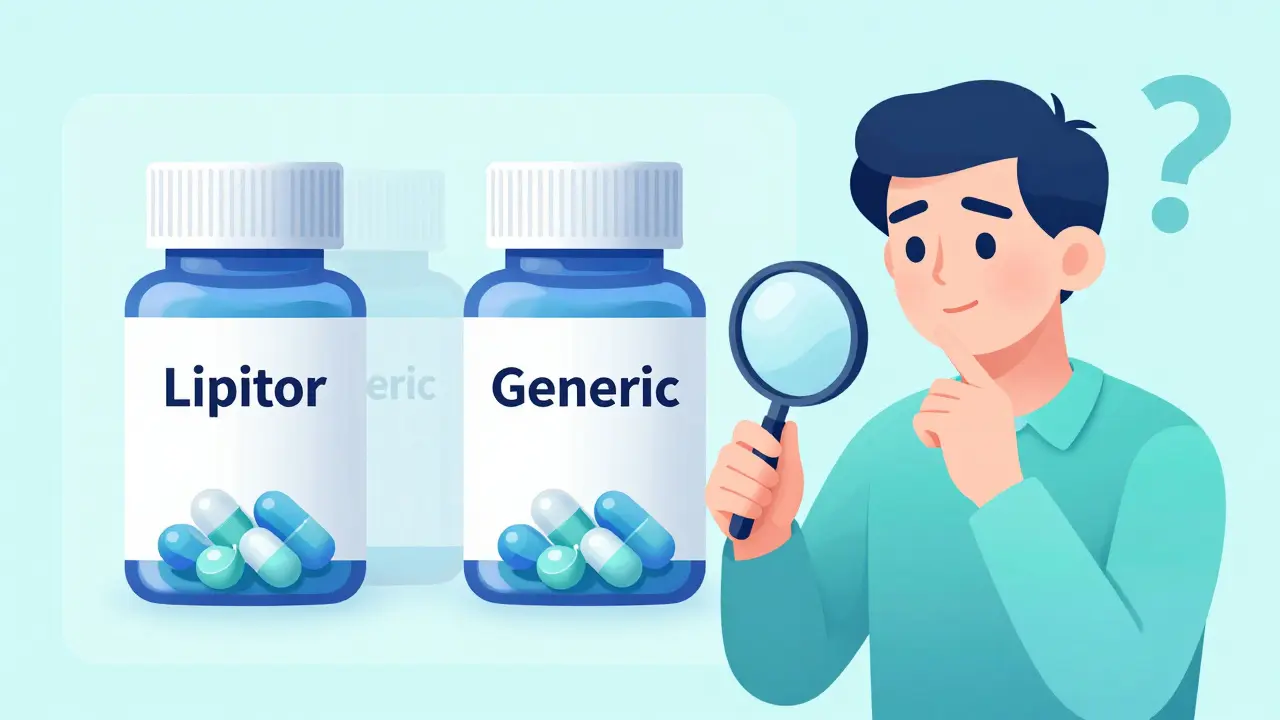
When you pick up a prescription, do you ever stop to think about what’s actually in that pill bottle? Most people don’t. But if you’ve switched from a brand-name drug to a generic, you might have gotten something called an authorized generic-and you probably didn’t even know it.
What Exactly Is an Authorized Generic?
An authorized generic is not your typical generic drug. It’s made by the same company that makes the brand-name version, in the same factory, using the exact same ingredients. The only difference? It doesn’t have the brand name on the label. It’s sold as a generic, but it’s literally the same product you’d get under the brand name. For example, if you take the brand-name drug Lipitor for cholesterol, the authorized generic version is made by Pfizer-the same company behind Lipitor. It’s the same tablet, same coating, same inactive ingredients. The FDA confirms this in its Orange Book, which lists authorized generics as products with "no applicant" because they’re covered under the original brand’s drug approval, not a separate generic application. This is different from regular generics, which must prove they’re "bioequivalent" to the brand. That means they have the same active ingredient, but the fillers, dyes, or binders might be different. For most people, that’s fine. But for some, those tiny differences cause real problems-like stomach upset, rashes, or even a drop in effectiveness.Why Do Patients Prefer Authorized Generics?
A 2018 study tracking over 210,000 patients found something surprising: when people switched from a brand-name drug to an authorized generic, only 22.3% went back to the brand. But when they switched to a regular generic, 28.7% switched back. That 6.4% difference might seem small, but in real terms, it means thousands of people felt more comfortable with the authorized version. Why? Because they couldn’t tell the difference. In a Consumer Reports survey of 1,200 people, 78% couldn’t tell apart an authorized generic from the brand-name drug when given unlabeled pills. Only 52% could tell regular generics from the brand. That’s a big gap. On Reddit’s r/pharmacy community, a 2022 thread asking about authorized vs. regular generics got 87 replies. Sixty-three percent said they noticed no difference between the authorized generic and the brand. Only 28% said the same about regular generics. For people with chronic conditions-like high blood pressure, epilepsy, or depression-consistency matters. If your medication feels different, even slightly, you might worry it’s not working. Authorized generics reduce that anxiety because they’re physically identical.But Price Still Matters-A Lot
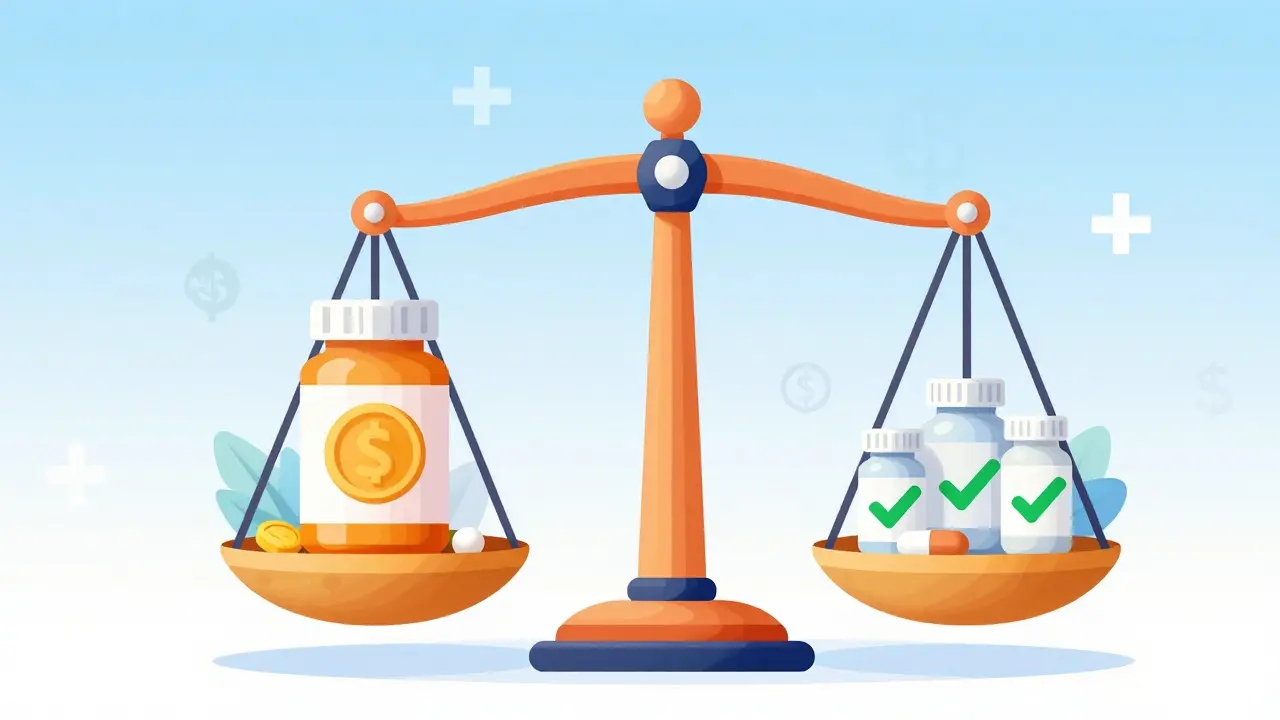
Here’s the catch: authorized generics aren’t always the cheapest option. When a brand-name drug first goes generic, the authorized version often enters the market right away. During the first 180 days, it can cut prices by 4-8% at the pharmacy counter. But after that, other generic manufacturers jump in. And they don’t have the same overhead. They’re not paying for brand marketing, R&D, or patent lawsuits. By month six, regular generics are often 15-25% cheaper than authorized generics. That’s why, after the initial window, most patients end up with the regular generic-even if they liked the authorized one. AmerisourceBergen’s 2022 analysis showed that after the exclusivity period, traditional generics capture 65-75% of the market. The authorized version? It drops to 10-15%. So while patients may *prefer* authorized generics for consistency, they rarely *choose* them when price is the deciding factor.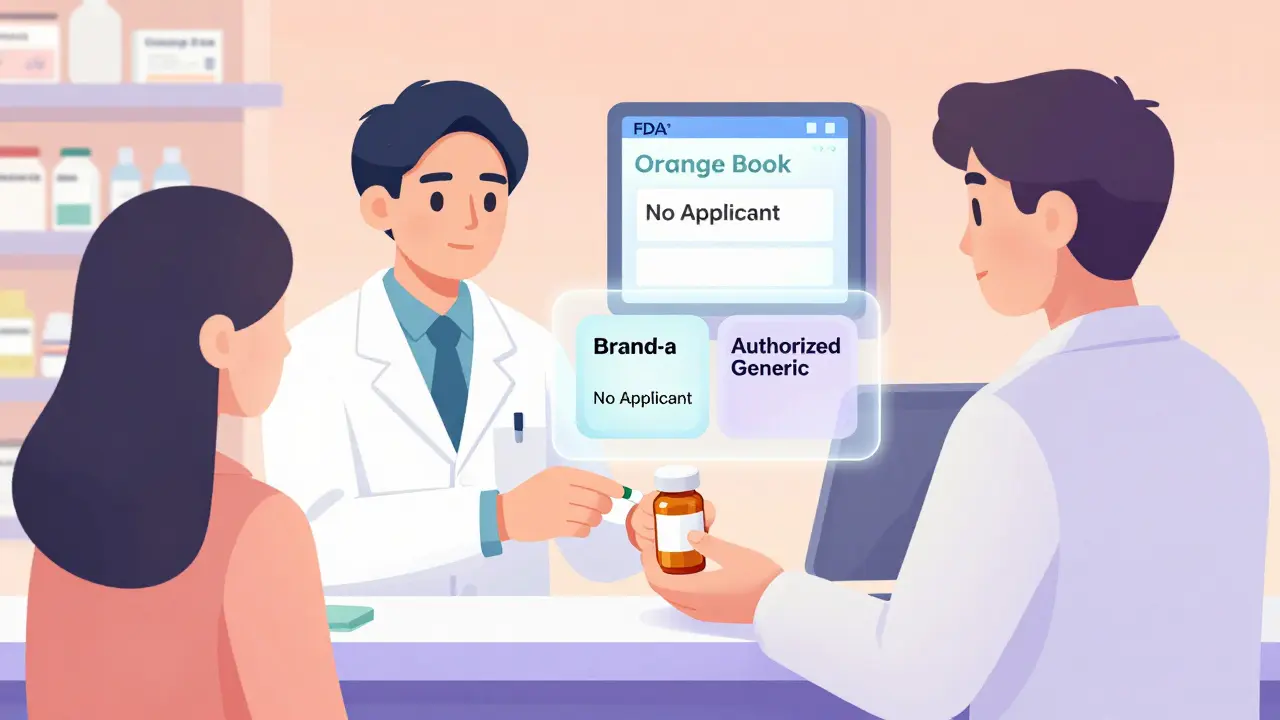
Who Decides What You Get?
Here’s the uncomfortable truth: most patients don’t get to pick. Your insurance plan or pharmacy benefit manager (PBM) decides which version gets dispensed. According to a 2022 KFF analysis, 82% of commercial insurance plans automatically substitute generics-authorized or regular-for brand-name drugs. Only 12% let you request the brand without extra paperwork. Even if you ask your doctor to write "Dispense as Written," pharmacists often still substitute unless the prescription says "Do Not Substitute." And even then, they might not know if what they’re handing you is an authorized generic or a regular one. Pharmacists themselves have a hard time telling the difference. The FDA’s Orange Book lists authorized generics under "products with no applicant," but that’s not something you see on the bottle. Most community pharmacies don’t have real-time access to that data. So unless the label says "Authorized Generic," you won’t know.Why Do Drug Companies Use Authorized Generics?
It’s not just about helping patients. There’s a business side. Brand companies use authorized generics to protect their market share. If they know a generic version is coming, they can launch their own cheaper version right away. That keeps customers loyal and blocks other generic makers from gaining a foothold. The Federal Trade Commission (FTC) has called this a "powerful inducement"-sometimes used to convince generic companies to delay entering the market. In exchange for not competing, the brand company lets the generic maker sell the authorized version instead. That’s why 7 of the top 10 pharmaceutical companies-including Pfizer, Merck, and AbbVie-have launched authorized generics. Most are for cardiovascular and nervous system drugs, where patient loyalty is high and switching can be risky. But here’s the irony: while this strategy keeps revenue flowing for the brand, it also delays full competition. The FTC estimates that if authorized generics are used to block other generics, Medicare Part D could lose $1.2 billion annually by 2027.
Should You Ask for an Authorized Generic?
If you’ve had issues switching to a regular generic-side effects, feeling "off," or just not trusting it-then yes, ask. Talk to your doctor. Say: "I had a bad reaction to the regular generic. Is there an authorized version available?" Your doctor can write "Dispense as Written" or even specify the manufacturer if they know it. Ask your pharmacist: "Is this an authorized generic?" They might not know right away, but they can check the label or contact their distributor. Authorized generics often have the same shape, color, and imprint as the brand, even if the name is different. And if you’re paying cash? Check prices. Sometimes the authorized generic is only a dollar or two more than the regular one-and if it means you won’t have to switch back, it’s worth it.What’s Next for Authorized Generics?
The use of authorized generics has grown from 15% of new generic entries in 2010 to 30% today. By 2028, they could make up 15-18% of all generic prescriptions dispensed. The FDA is working on clearer labeling rules. A 2023 draft guidance wants manufacturers to clearly mark authorized generics on packaging. That’s a step forward. But the bigger question remains: are they helping patients-or just helping drug companies keep profits high? The answer isn’t black and white. For patients who need consistency, authorized generics are a lifeline. For those who just want the lowest price, regular generics win. The system isn’t designed to let you choose easily. But if you’re one of the people who notices a difference, you have the right to ask for what works best for you.Are authorized generics the same as brand-name drugs?
Yes, authorized generics are chemically and physically identical to the brand-name drug. They’re made by the same company, in the same factory, with the same active and inactive ingredients. The only difference is the label-no brand name, just "generic."
Why are authorized generics sometimes more expensive than regular generics?
Authorized generics enter the market early, right after the brand loses exclusivity. At that point, they’re the only generic option, so they’re priced closer to the brand. Once other generic manufacturers enter, they drive prices down-often 15-25% lower than the authorized version-because they don’t have the same overhead costs.
Can I ask my pharmacist for an authorized generic?
Yes, you can ask. Tell your pharmacist you prefer the version made by the original brand manufacturer. They may not know right away, but they can check the label or contact their supplier. Some authorized generics have the same imprint code as the brand, which can help identify them.
Do insurance plans cover authorized generics?
Yes, most insurance plans cover authorized generics the same way they cover regular generics. But they usually don’t distinguish between them-so you’ll get whichever one is cheapest or easiest for the pharmacy to get. You’ll need to specifically request the authorized version if you want it.
How can I tell if I’m getting an authorized generic?
Look at the label. Authorized generics often have the same shape, color, and imprint as the brand-name drug. The manufacturer’s name may be the same as the brand (e.g., Pfizer). You can also check the FDA’s "Products with No Applicant" list online, though it’s not easy to use. If you’re unsure, ask your pharmacist to confirm.



Lance Nickie
January 13, 2026 AT 03:00authorized generics? more like authorized scams. i got the same pill, different label, paid more. thanks pharma.
vishnu priyanka
January 14, 2026 AT 13:34in india, we call this 'same medicine, new name'. people think it's magic when the bottle changes but the pill stays the same. honestly? it's just branding with a side of confusion.
Angel Tiestos lopez
January 16, 2026 AT 10:51so we're saying the drug industry is just playing dress-up with pills? 🤔 i mean, if it's the same damn thing, why not just call it what it is? we're not buying perfume here. it's medicine. no glitter needed.
Pankaj Singh
January 17, 2026 AT 00:37you people are delusional. if you can't tell the difference between generics, you shouldn't be taking meds at all. stop whining and take the cheap one. your life isn't that fragile.
Scottie Baker
January 17, 2026 AT 17:14my uncle died because they switched him to a regular generic for his seizure med. he didn't even get a warning. now i'm terrified every time i fill a script. this isn't about money. it's about trust.
Anny Kaettano
January 18, 2026 AT 12:44as a clinical pharmacist, i can tell you: bioequivalence ≠ therapeutic equivalence. for patients on narrow-therapeutic-index drugs-like warfarin, levothyroxine, or phenytoin-those 'minor' excipient differences can trigger cascading adverse events. authorized generics mitigate that risk. it’s not about preference-it’s about pharmacovigilance.
Angel Molano
January 19, 2026 AT 15:08you’re all sheep. if you can’t handle a generic, you’re weak. stop being entitled. the system works. take the cheap pill or shut up.
Trevor Davis
January 20, 2026 AT 21:47you know what’s wild? i used to think generics were all the same. then i switched from brand to generic for my blood pressure med and started feeling like a zombie. switched back to the authorized version? boom. normal again. i didn’t even know what i was getting before. now i check the label like a hawk.
John Tran
January 22, 2026 AT 08:27think about it: we live in a world where a pill’s identity is determined by a label, not its chemical soul. we’ve commodified medicine to the point where the same molecule, manufactured in the same room, with the same hands, is suddenly two different entities based on a sticker. it’s not capitalism-it’s ontological fraud. we’re not just buying drugs; we’re buying narratives. and the narrative of 'cheap' always wins, even when it kills slowly, silently, one patient at a time.
Milla Masliy
January 22, 2026 AT 18:30my mom’s been on the same authorized generic for 7 years. she says it’s the only thing that keeps her stable. i asked her why she doesn’t switch to the cheaper one. she said, 'because my body knows this one.' i didn’t argue. sometimes, the body knows better than the spreadsheet.
Avneet Singh
January 24, 2026 AT 04:10the fact that you need a 2000-word essay to explain why you can't handle a $5 pill is pathetic. if you're sensitive to excipients, you're either hypochondriac or you've never read a pharmacopeia. the FDA's bioequivalence standards are robust. your 'feelings' aren't clinical data.
Nelly Oruko
January 24, 2026 AT 18:58While the regulatory framework governing bioequivalence is indeed rigorous, the phenomenological experience of patients-particularly those with chronic neurological or psychiatric conditions-cannot be dismissed as anecdotal. The placebo effect, while real, is not the sole explanatory variable for therapeutic non-equivalence in the clinical context. Authorized generics, by virtue of their identical physicochemical composition, mitigate the nocebo effect and enhance adherence, which is a clinically validated outcome metric.
Rosalee Vanness
January 26, 2026 AT 01:15let me tell you something-i used to be the person who just grabbed whatever was cheapest. then my anxiety meds switched from an authorized generic to a regular one, and i started having panic attacks at the grocery store. i didn’t know why. it took me three months to figure out it was the pill. i went back to the authorized one and felt like myself again. it’s not about being picky. it’s about your body remembering what it needs. don’t let anyone tell you your experience isn’t real. you’re not crazy. you’re just paying attention.