
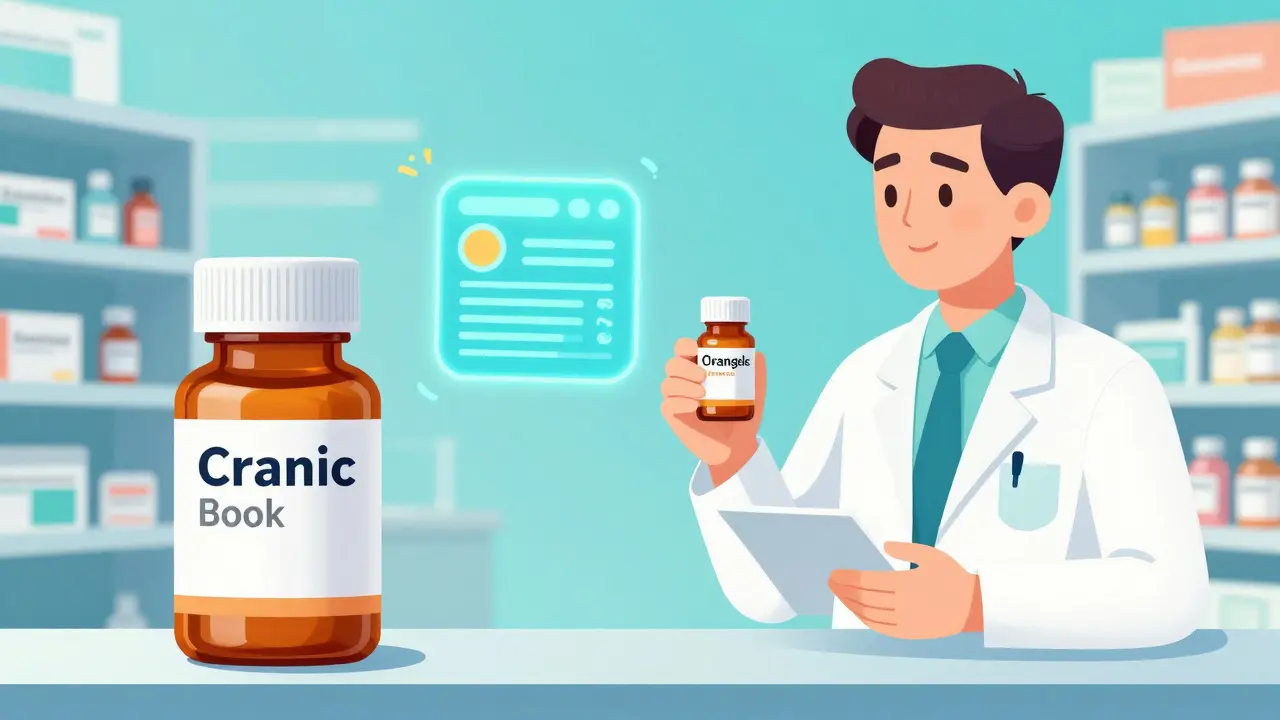
Learn how the FDA Orange Book database manages approved drug products, patent expirations, and therapeutic equivalence to regulate the U.S. generic drug market.

Learn how to distinguish between drug side effects and true medication allergies, how to document your history, and how to find safe drug alternatives.
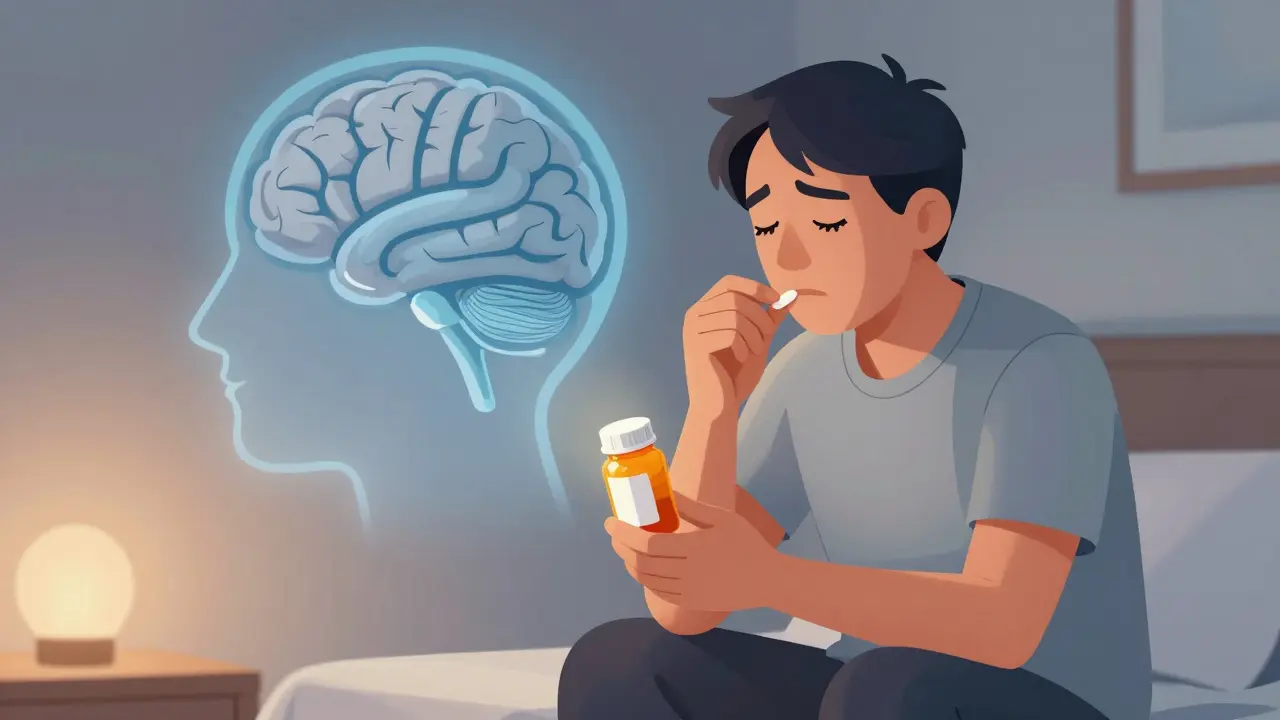
Explore the hidden link between common anticholinergic medications and increased dementia risk. Learn which drugs affect memory, how to identify them, and safe steps to protect your long-term brain health.

Healthcare providers face increasing challenges with drug availability. This guide outlines essential communication strategies, legal duties, and practical steps to maintain patient trust during medicine shortages.

Learn how to train your brain to check medication labels before every dose. Discover safety techniques, identify key label elements, and overcome barriers to building a life-saving habit.
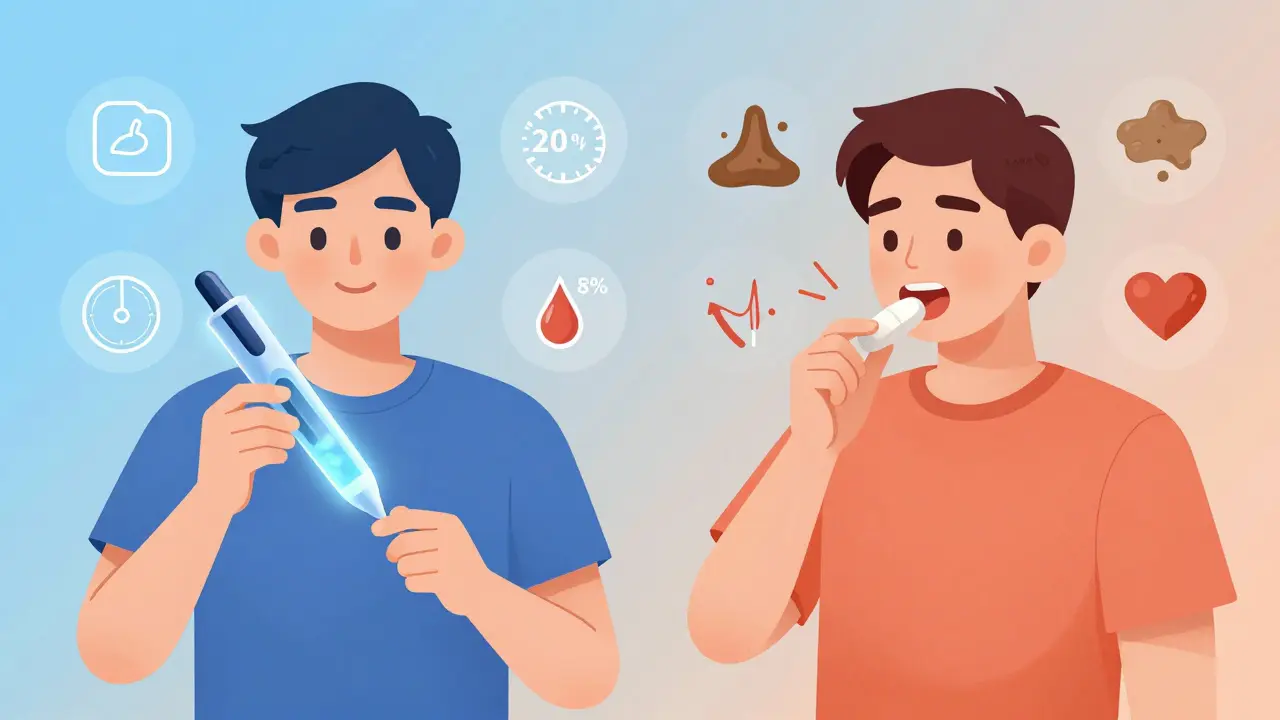
GLP-1 agonists like Wegovy and Zepbound offer far greater weight loss than older drugs like orlistat or phentermine, but they come with higher costs, injections, and side effects. Here's how they compare - and who they really work for.
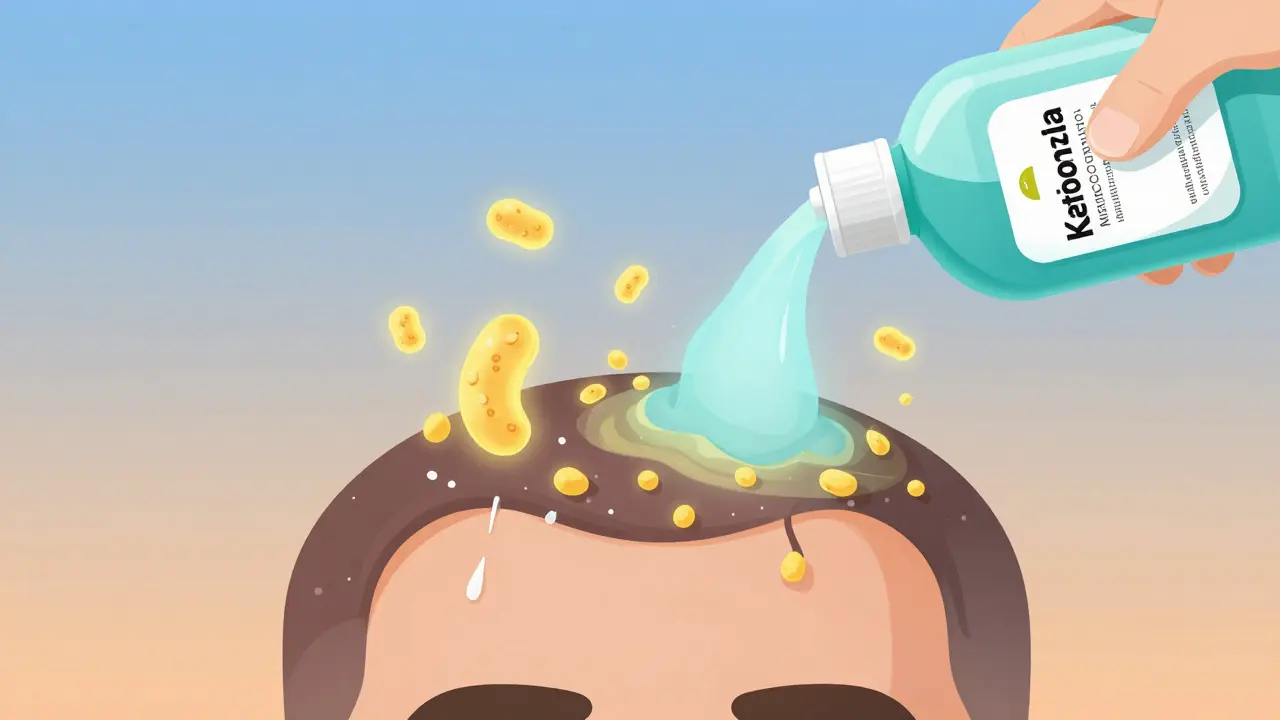
Seborrheic dermatitis causes stubborn scalp flaking due to yeast overgrowth. Medicated shampoos with ketoconazole, coal tar, or zinc pyrithione are proven to control symptoms. Learn how to use them correctly and maintain long-term relief.
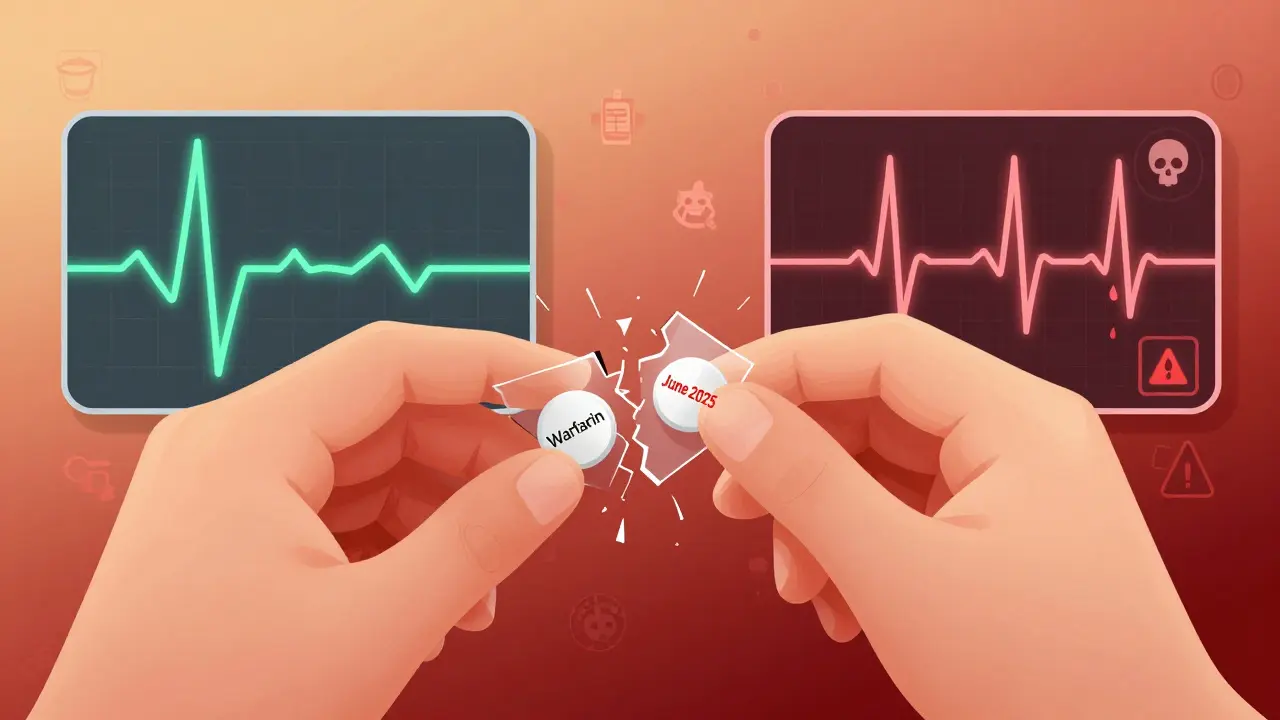
Expired medications with a narrow therapeutic index can be deadly. Even small changes in potency can cause overdose, organ failure, or therapeutic failure. Learn which drugs are most at risk and why you should never use them past their expiration date.

Uremic symptoms like nausea and severe itching signal advanced kidney failure. Learn when dialysis should start, how toxins affect your body, and what treatments actually work-backed by current clinical guidelines and patient experiences.
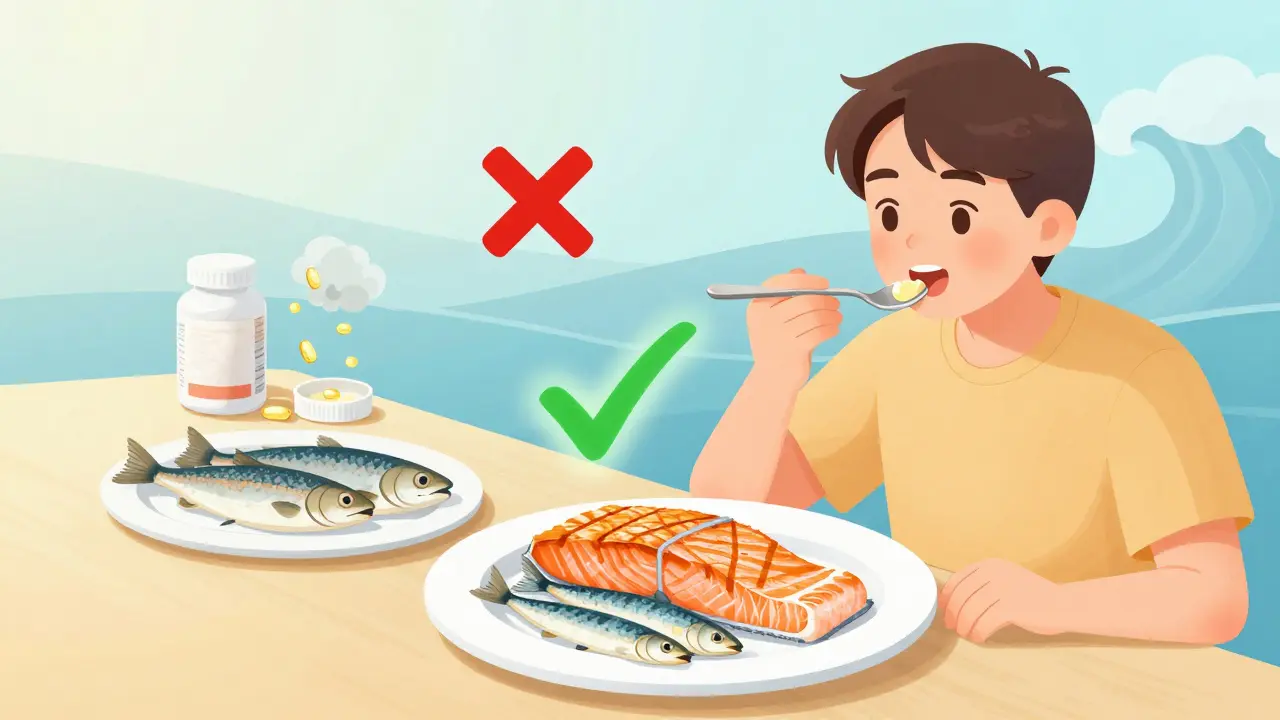
Fish oil and omega-3s have been promoted for heart health for years, but recent evidence shows benefits are limited to specific groups. Learn who actually benefits, what forms work, and whether supplements are worth it.