GI Bleeding: Causes, Risks, and What You Need to Know
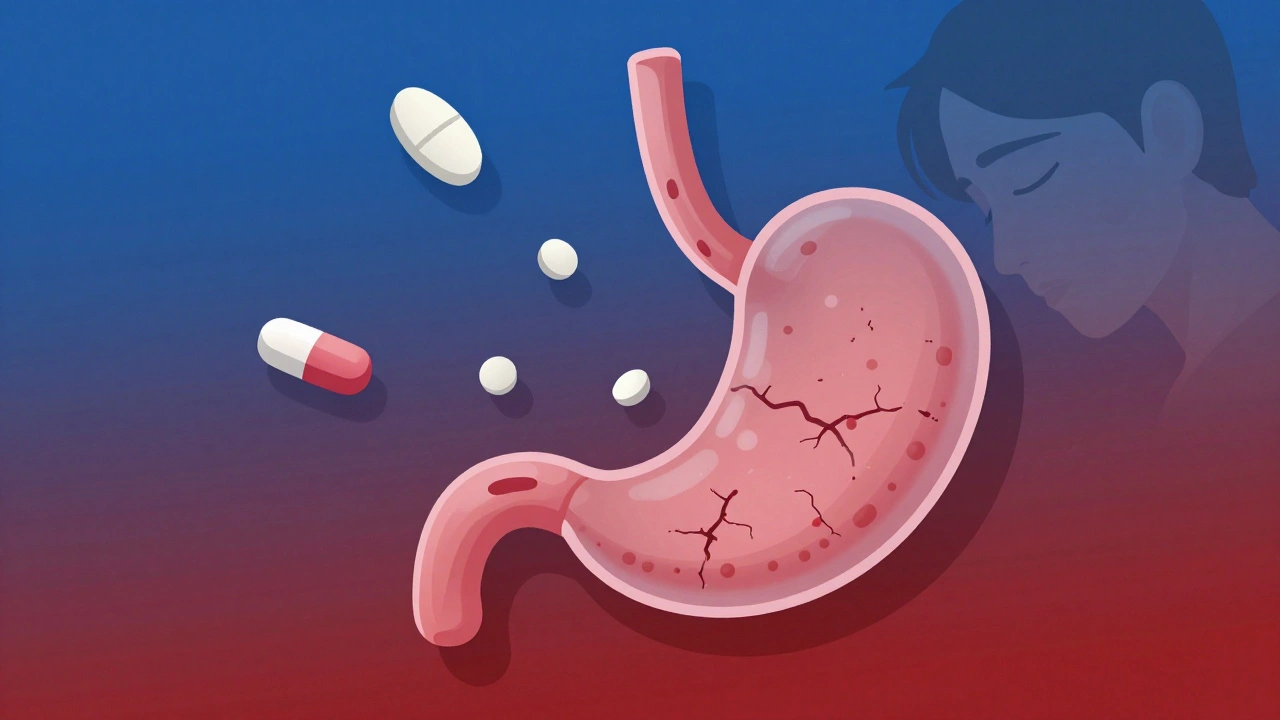
When you hear GI bleeding, a condition where blood leaks from the digestive tract. Also known as gastrointestinal bleeding, it’s not just a symptom—it’s a red flag that something deeper is wrong. It can happen anywhere from your esophagus to your colon, and it doesn’t always look like what you’d expect. Sometimes it’s bright red blood in the stool. Other times, it’s black, tarry poop—or no visible sign at all, just unexplained fatigue or dizziness.
Upper GI bleeding, bleeding from the stomach or upper small intestine often comes from ulcers, severe acid reflux, or swollen veins in the esophagus. Lower GI bleeding, blood coming from the colon or rectum might be from hemorrhoids, diverticulosis, or inflammatory bowel disease. But here’s the thing: medication side effects are one of the most common—and preventable—causes. NSAIDs like ibuprofen, blood thinners like warfarin or rivaroxaban, even some antidepressants can irritate the gut lining or stop blood from clotting properly. You might not feel pain until it’s too late.
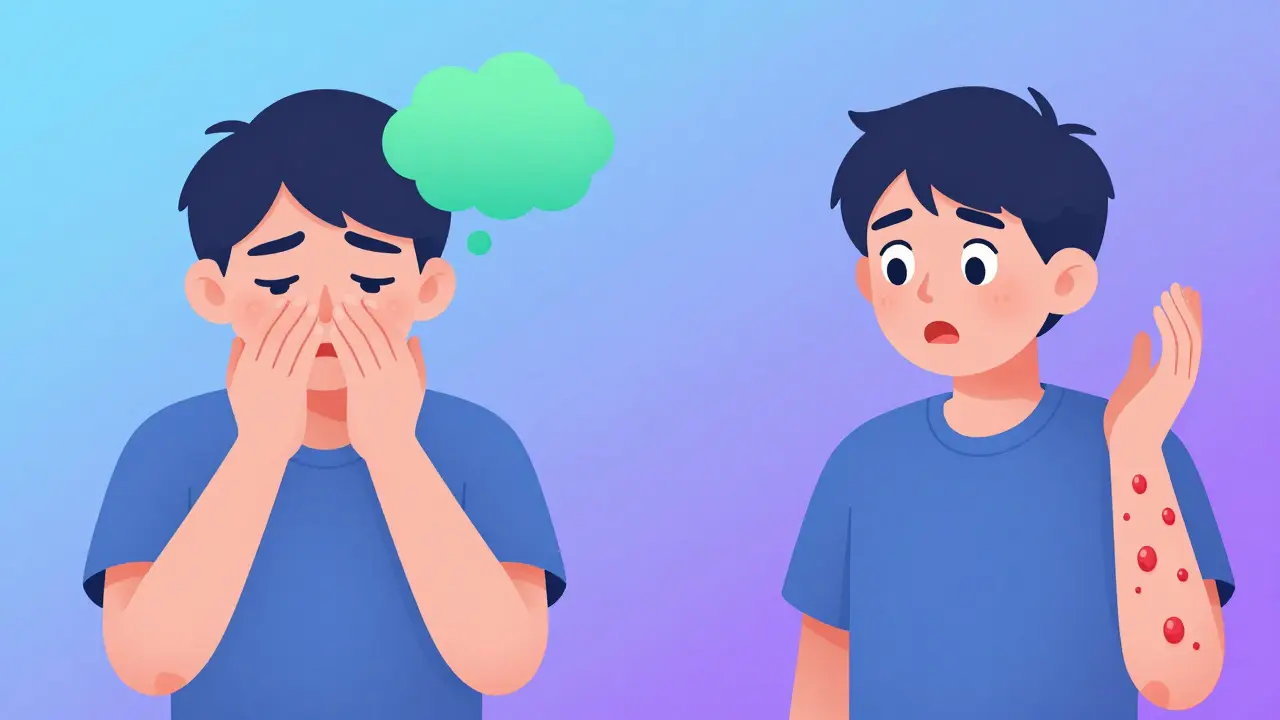
People often ignore early signs: a little stomach discomfort, feeling unusually tired, or noticing a change in stool color. But GI bleeding doesn’t wait. It can sneak up quietly, especially in older adults or those on long-term meds. That’s why knowing your risk factors matters—whether it’s age, chronic use of painkillers, or a history of ulcers. The good news? Many cases are caught early if you know what to watch for. And that’s exactly what the posts below cover: real stories, real risks, and real steps you can take to protect yourself—or someone you care for.