
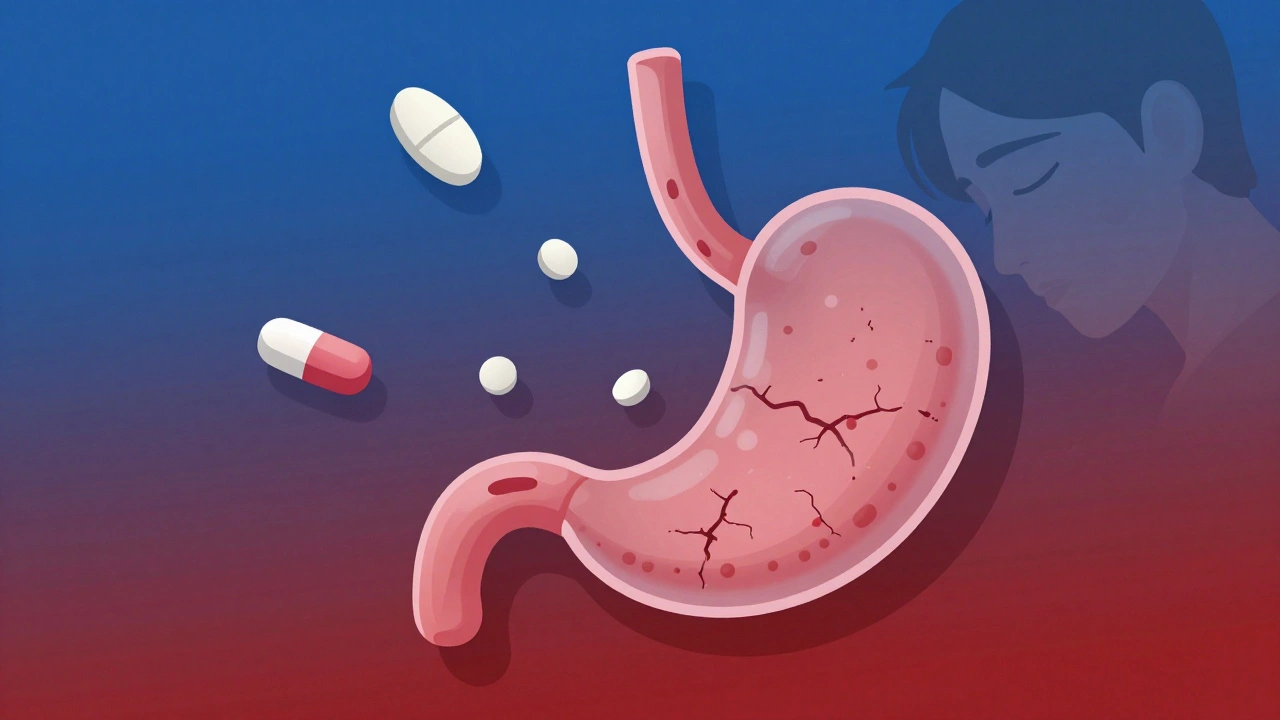
Every year, thousands of people end up in the hospital because they took too many NSAIDs-painkillers like ibuprofen, naproxen, or even low-dose aspirin they thought was harmless. Many don’t realize that these common drugs can silently damage their stomach and intestines, leading to life-threatening bleeding. The worst part? You might not feel any warning signs until it’s too late.
Why NSAIDs Are More Dangerous Than You Think
NSAIDs work by blocking enzymes called COX-1 and COX-2. That’s how they reduce pain and swelling. But COX-1 also helps protect the lining of your stomach and intestines. When you take too much, or take it too long, that protection breaks down. The result? Tiny cuts, ulcers, and eventually, bleeding.
Here’s the scary part: up to 70% of people who take NSAIDs long-term show signs of damage during an endoscopy-erosions, ulcers, bleeding spots. But only about 10% have symptoms like heartburn or stomach pain. That means most people are bleeding internally without knowing it. Their only clue might be fatigue from iron deficiency anemia, or a dark, tarry stool they ignore because they think it’s just diet.
It’s not just about taking a handful of pills at once. Chronic use-even one daily tablet of ibuprofen or aspirin-adds up. A 2008 study found that people taking daily low-dose aspirin for heart protection had a 2 to 4 times higher risk of upper GI bleeding. And if you add another NSAID on top? The risk jumps again.
The Silent Killer: Bleeding Without Symptoms
Most people assume if they don’t have stomach pain, they’re fine. That’s a dangerous myth.
Studies show that over half of NSAID users who develop anemia-low red blood cell count-show no visible signs of bleeding. No black stools. No vomiting blood. Just tiredness, dizziness, or shortness of breath. When doctors check their stomachs with an endoscope, they find ulcers or active bleeding. But the patient never connected the dots.
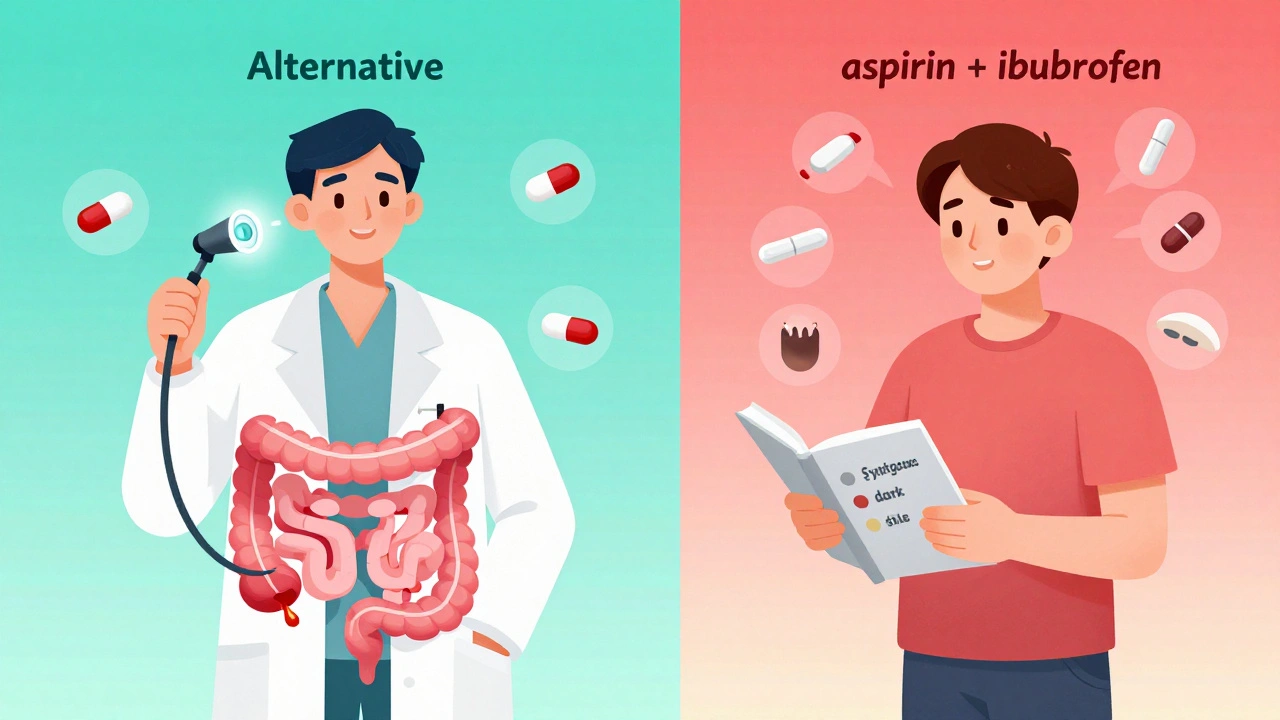
And it’s not just the stomach. NSAIDs can damage the small and large intestines too. They cause inflammation, increased gut permeability, and even colitis. These lower GI bleeds are harder to diagnose because they don’t show up on standard upper endoscopies. You might need a capsule endoscopy or colonoscopy to find the source.
This is why so many patients end up in the ER with severe anemia, shock, or even cardiac arrest from blood loss-no prior warning, no pain, just sudden collapse.
Who’s at Highest Risk?
Not everyone is equally at risk. Certain factors turn a common painkiller into a silent threat:
- Age over 65: Stomach lining thins with age. Healing slows. Risk of bleeding doubles after 65.
- History of ulcers or GI bleeding: If you’ve had one before, your chance of another is five times higher when taking NSAIDs.
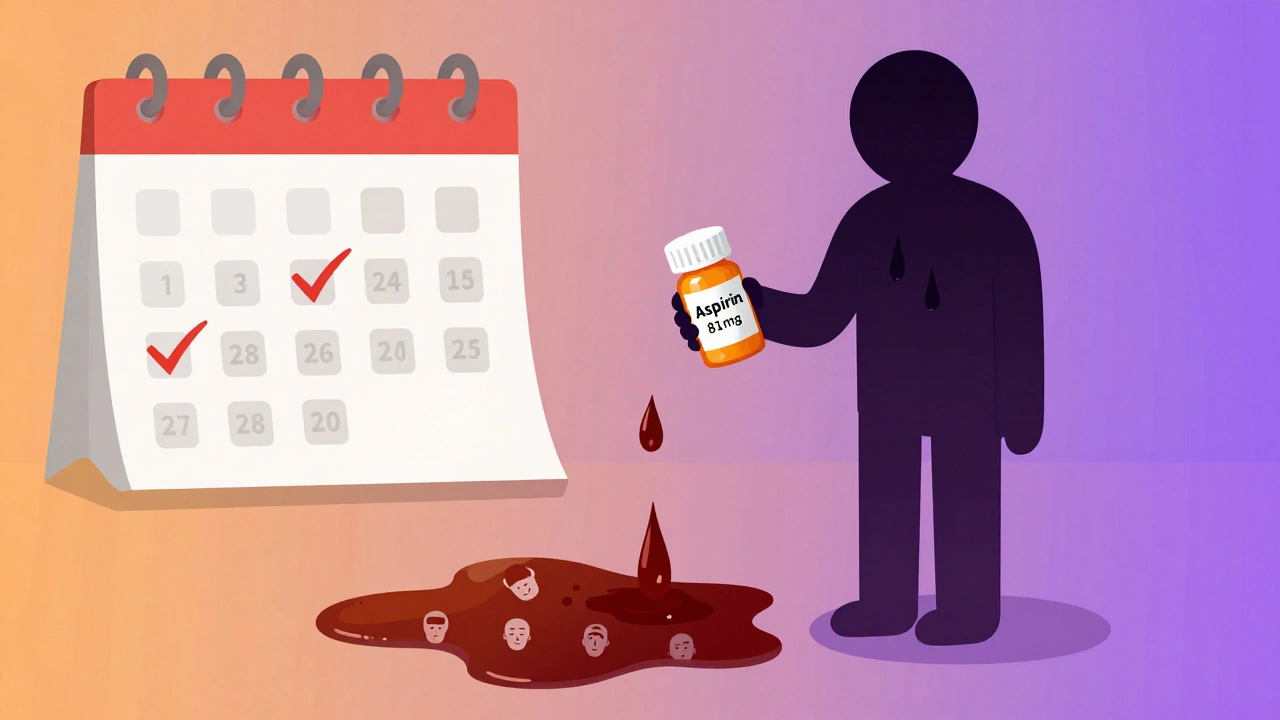
- Taking aspirin for heart protection: Even 81 mg daily increases GI bleeding risk. Combining it with another NSAID? Risk doubles again.
- On blood thinners or antiplatelets: Warfarin, clopidogrel, or dual therapy after a heart attack? NSAIDs are a red flag. This combo increases bleeding risk by two-fold and also raises your chance of heart attack or stroke.
- Helicobacter pylori infection: This common stomach bacteria works with NSAIDs to multiply ulcer risk by 1.2 times.
- High doses or multiple NSAIDs: Taking both ibuprofen and naproxen? Or switching between OTC and prescription versions? That’s a recipe for trouble.
One study found that over one-third of patients admitted for GI bleeding were taking over-the-counter low-dose aspirin daily-often without knowing it was a risk. Many thought aspirin was "safe" because it was cheap and sold without a prescription.
What You Should Never Do
There are three big mistakes people make that put them at extreme risk:
- Combining aspirin with other NSAIDs: Don’t take ibuprofen or naproxen if you’re on daily aspirin for heart health. The protection doesn’t add up-it multiplies the danger.
- Believing enteric-coated or buffered aspirin is safer: These forms don’t reduce bleeding risk. They just delay the pill’s release. The damage still happens.
- Self-medicating for chronic pain: If you’re taking NSAIDs more than 10 days a month for headaches, back pain, or arthritis, you’re in danger zone. Talk to your doctor before continuing.
And here’s something many don’t know: COX-2 inhibitors like celecoxib aren’t the magic solution. When taken with aspirin, they offer no extra protection. One study showed the risk of upper GI events was 7.5% per year with coxibs plus aspirin-worse than with some traditional NSAIDs.
How to Protect Yourself
If you need NSAIDs, here’s how to reduce your risk:
- Use the lowest dose for the shortest time: Never take more than recommended. Don’t double up because "it’s not working." Try rest, ice, or physical therapy first.
- Ask about alternatives: Acetaminophen (paracetamol) is safer for the stomach. For arthritis, topical NSAID gels work locally with far less systemic risk.
- Get tested for H. pylori: If you’ve had ulcers or are on long-term NSAIDs, ask your doctor for a breath or stool test. Eradicating the bacteria cuts your bleeding risk significantly.
- Use a PPI if you’re high-risk: Proton pump inhibitors like omeprazole can help protect your stomach-but they don’t fix damage in the small intestine. Still, for those with past ulcers or on multiple meds, they’re essential.
- Don’t take NSAIDs if you’re on dual antiplatelet therapy: After a heart attack or stent, your doctor should have warned you. If they didn’t, speak up. NSAIDs here are a medical red flag.
And if you’re over 65 and on daily aspirin? Talk to your doctor about whether you still need it. Some people take it out of habit, not necessity. A simple risk-benefit review might save your life.
Signs You Might Be Bleeding (Even If You Feel Fine)
Watch for these subtle signs:
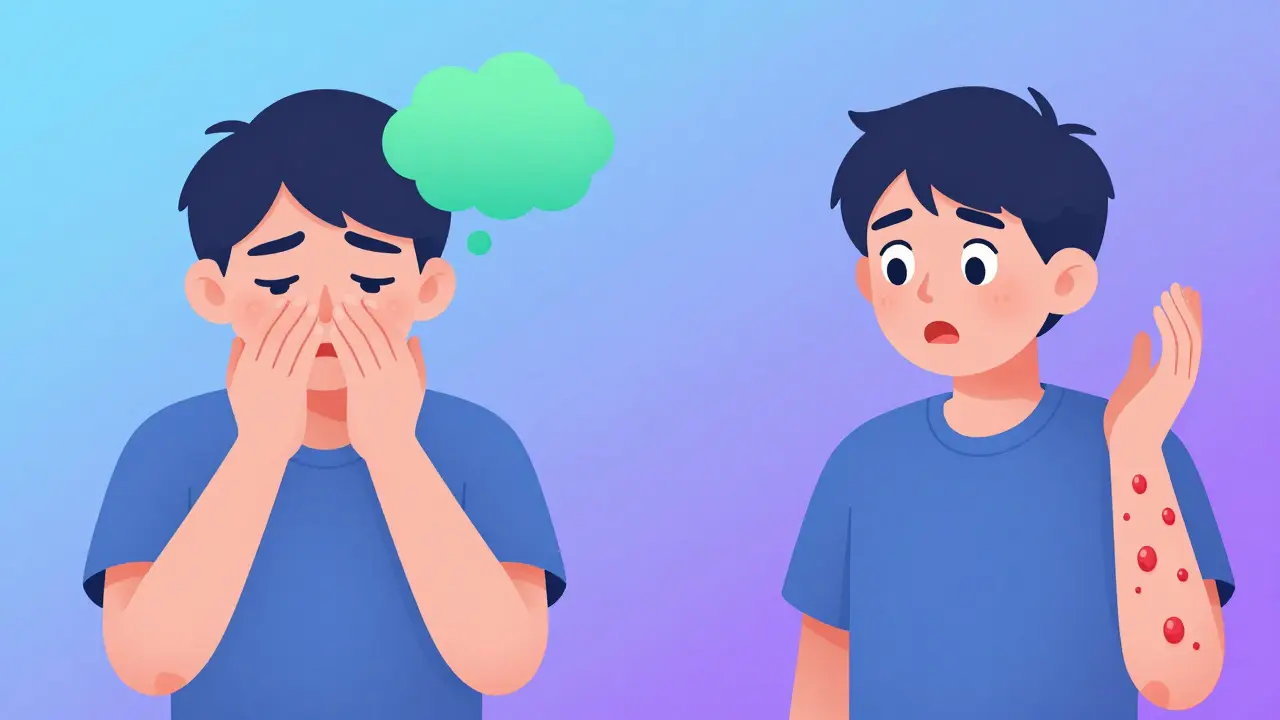
- Unexplained fatigue or weakness
- Dizziness or lightheadedness when standing
- Pale skin or cold hands
- Shortness of breath during light activity
- Dark, sticky, tar-like stools (melena)
- Red or maroon stools (lower GI bleed)
- Iron deficiency anemia diagnosed without another cause
If you notice any of these and have been taking NSAIDs-even just one pill a day-get checked. A simple blood test can show if your hemoglobin is dropping. An endoscopy can find the source.
What to Do If You Suspect Bleeding
If you think you’re bleeding:
- Stop all NSAIDs immediately, including aspirin if you’re not under medical supervision.
- Don’t wait for symptoms to worsen. Call your doctor or go to urgent care. Don’t drive yourself if you’re dizzy or weak.
- Bring your medication list. Include every pill, supplement, and OTC product. Many don’t realize their herbal teas or fish oil can also thin blood.
- Don’t assume it’s "just indigestion". If you’ve been on NSAIDs for months, assume it could be bleeding until proven otherwise.
Hospital treatment may include IV fluids, blood transfusions, endoscopy to stop the bleed, and stopping NSAIDs permanently. In severe cases, surgery is needed.
The Bottom Line
NSAIDs aren’t evil. They help millions manage pain. But they’re not harmless either. For many, especially older adults on multiple medications, they’re a ticking time bomb.
The key is awareness. If you’re taking any NSAID regularly-prescription or over-the-counter-ask yourself: Why am I taking this? Is it necessary? What’s the risk?
There’s no shame in switching to safer alternatives. There’s no shame in asking your doctor to review your meds. And there’s no excuse for ignoring fatigue, pale skin, or dark stools.
NSAID-related GI bleeding is preventable. It’s not rare. It’s not inevitable. It’s just overlooked.
Don’t wait for a collapse to realize the cost of a painkiller.
Can I take ibuprofen if I’m on daily aspirin for my heart?
No. Combining ibuprofen or other NSAIDs with daily aspirin doubles your risk of stomach bleeding and increases your chance of heart attack or stroke. If you need pain relief, talk to your doctor about alternatives like acetaminophen or topical treatments. Never switch between NSAIDs and aspirin without medical advice.
Do enteric-coated or buffered aspirin prevent stomach bleeding?
No. These forms are designed to dissolve later in the digestive tract, but they don’t reduce the risk of bleeding. The drug still affects the stomach lining and platelets. Studies show no difference in bleeding rates between regular and enteric-coated aspirin. Don’t rely on packaging to make it safe.
I feel fine-do I still need to worry about NSAID damage?
Yes. Up to 70% of long-term NSAID users show visible damage in their stomach or intestines during endoscopy, but only 10% have symptoms like pain or heartburn. Bleeding can happen silently. Fatigue, pale skin, or low iron levels may be your only warning signs. Don’t wait for pain to act.
How do I know if I have an NSAID-induced ulcer?
The only reliable way is through endoscopy-a procedure where a camera looks inside your stomach and upper intestine. Blood tests can show anemia, and stool tests can detect hidden blood, but only endoscopy confirms ulcers or active bleeding. If you’ve been on NSAIDs for more than a few weeks and have unexplained fatigue or anemia, ask your doctor for a referral.
Are COX-2 inhibitors like celecoxib safer for the stomach?
They may reduce upper GI risk compared to traditional NSAIDs-but only if you’re not taking aspirin. If you’re on daily aspirin, celecoxib offers no extra protection. In fact, the risk of upper GI events remains high (7.5% per year). They’re not a free pass. Always consider your full medication list before choosing.
What’s the safest painkiller for someone with a history of stomach bleeding?
Acetaminophen (paracetamol) is the safest oral option for pain relief in people with a history of GI bleeding. Topical NSAIDs (gels or patches) are also safer because they deliver the drug locally with less systemic absorption. Always avoid all oral NSAIDs-including aspirin-unless your doctor specifically approves it with a protective medication like a PPI.
Next Steps for High-Risk Patients
If you’re over 65, have had an ulcer, or take blood thinners or daily aspirin:
- Review all your medications with your doctor or pharmacist every six months.
- Ask if you still need NSAIDs-or if there’s a safer alternative.
- Get tested for H. pylori if you haven’t been in the last 5 years.
- If you’re on a PPI, make sure it’s the right one and dose. Some people stop taking it because they feel fine-but they still need it.
- Keep a symptom journal: note fatigue, stool color, dizziness. Bring it to your next appointment.
NSAID-related bleeding isn’t an accident. It’s a failure of awareness. With the right questions and a little caution, it’s almost always preventable.
Michael Robinson
December 8, 2025 AT 11:45It’s wild how we treat pills like they’re harmless candy. We don’t think twice about popping ibuprofen like it’s gum, but we’d freak out if someone handed us a knife and said, ‘Here, cut your stomach open for fun.’ These drugs aren’t magic-they’re chemicals that mess with your body’s natural defenses. And we act like the fact that it’s OTC means it’s safe. That’s not how biology works.
Kathy Haverly
December 10, 2025 AT 05:31Oh please. This is just fearmongering dressed up as medical advice. Everyone knows NSAIDs are risky-your grandpa took aspirin daily and lived to 92. The real problem is doctors overprescribing and pharmacies selling everything like it’s candy. Blaming the drug instead of the system is lazy. Also, who even uses endoscopies for ‘routine checkups’? This reads like an ad for PPIs.
Andrea Petrov
December 10, 2025 AT 10:39Have you ever wondered why the FDA hasn’t banned NSAIDs outright? Or why Big Pharma funds all the ‘safe use’ campaigns? They profit from the bleeding. Every ulcer, every transfusion, every ER visit-they get paid. The ‘low-dose aspirin for heart health’ thing? A 1980s marketing stunt that never got debunked. They knew the risks. They just didn’t care. You think your ‘harmless’ pill is safe? Think again. The system is rigged.
Suzanne Johnston
December 11, 2025 AT 17:19This is one of the most important posts I’ve read in years. Thank you for laying it out so clearly. I’ve seen patients come in with hemoglobin levels so low they’re practically walking ghosts-no pain, no warning-and they’ve been taking ‘just one aspirin a day’ for 15 years. It’s not about scaring people. It’s about giving them the facts so they can make real choices. I tell my patients: if you don’t know why you’re taking it, stop. Then call your doctor. Not tomorrow. Today.
Graham Abbas
December 11, 2025 AT 18:10Man, this hit me hard. I’ve been taking naproxen for my back since college-20 years now. Thought I was fine because I didn’t have heartburn. Then last month I passed out at the gym. Turned out I was anemic as hell. They found three ulcers. I cried in the hospital. I didn’t know. I really didn’t know. I’m done with NSAIDs. Now I do yoga, ice packs, and physical therapy. My back still hurts-but at least I’m not bleeding inside. This post saved my life. Thank you.
Haley P Law
December 11, 2025 AT 21:39OMG I JUST REALIZED I’VE BEEN TAKING IBUPROFEN EVERY DAY FOR MY PERIODS FOR 7 YEARS 😭 I THOUGHT IT WAS FINE BECAUSE I DIDN’T GET STOMACH PAINS. NOW I’M SCARED TO LOOK AT MY STOOL. IS IT BLACK?? I NEED TO GO TO THE DOCTOR. CAN SOMEONE TELL ME WHAT TO SAY?? 🥺
Andrea DeWinter
December 13, 2025 AT 19:45Don’t panic Haley. Just stop the NSAIDs and book a blood test. Hemoglobin and ferritin. If those are low, ask for a stool test for occult blood. If you’re over 50 or have a family history, they’ll likely send you for an endoscopy. You’re not alone. I’ve had three patients in the last month just like you. They all felt fine too. It’s not your fault. It’s just that no one ever told us. Now you know. That’s power.
Chris Marel
December 15, 2025 AT 16:21This is so important. In my village back home, people take aspirin like water. They say, ‘It’s cheap, it’s from the pharmacy, so it must be good.’ No one knows about the stomach. No one checks for anemia. I wish this was translated into more languages. Thank you for writing this. I’ll share it with my family.
Nikhil Pattni
December 15, 2025 AT 22:02Look, I’ve read the literature. The 70% endoscopy damage stat? That’s from a 2012 meta-analysis with selection bias-most patients were already symptomatic. And the ‘silent bleeding’ narrative? It’s exaggerated. Most GI bleeds from NSAIDs are mild and self-limiting. You’re ignoring the fact that 90% of people who take NSAIDs never have a major event. Also, acetaminophen isn’t risk-free-it causes liver failure. You’re just swapping one danger for another. And PPIs? They cause C. diff, osteoporosis, kidney damage. This isn’t prevention-it’s pharmaceutical replacement theater.
Elliot Barrett
December 15, 2025 AT 22:32So… you’re saying I can’t take Advil anymore? Cool. I’ll just keep drinking whiskey. At least I know what that does.
Tejas Bubane
December 17, 2025 AT 19:59LMAO this post is textbook medical propaganda. NSAIDs are fine if you’re not a geriatric on 12 meds. Stop acting like every pill is a death sentence. People have been taking aspirin since the 1800s. You think we’re all gonna die from a headache pill? Wake up. This is fear porn for the anxious middle class. Real people don’t live like this.