Generic Substitution: What It Means and When It Matters
When you pick up a prescription and get a different pill than what your doctor wrote, that’s generic substitution, the practice of swapping a brand-name drug for a chemically identical generic version at the pharmacy. Also known as drug interchange, it’s meant to cut costs without sacrificing effectiveness—but it’s not always as simple as it sounds. The FDA says generics must match brand drugs in active ingredients, strength, dosage form, and how they work in your body. That’s the official line. But what happens in real life? Some people report feeling different on a generic—more side effects, less relief, or even no effect at all. That’s not just in their head. While the active ingredient is the same, fillers, coatings, and how the drug releases can vary. These differences don’t break the rules, but they can change how your body reacts.
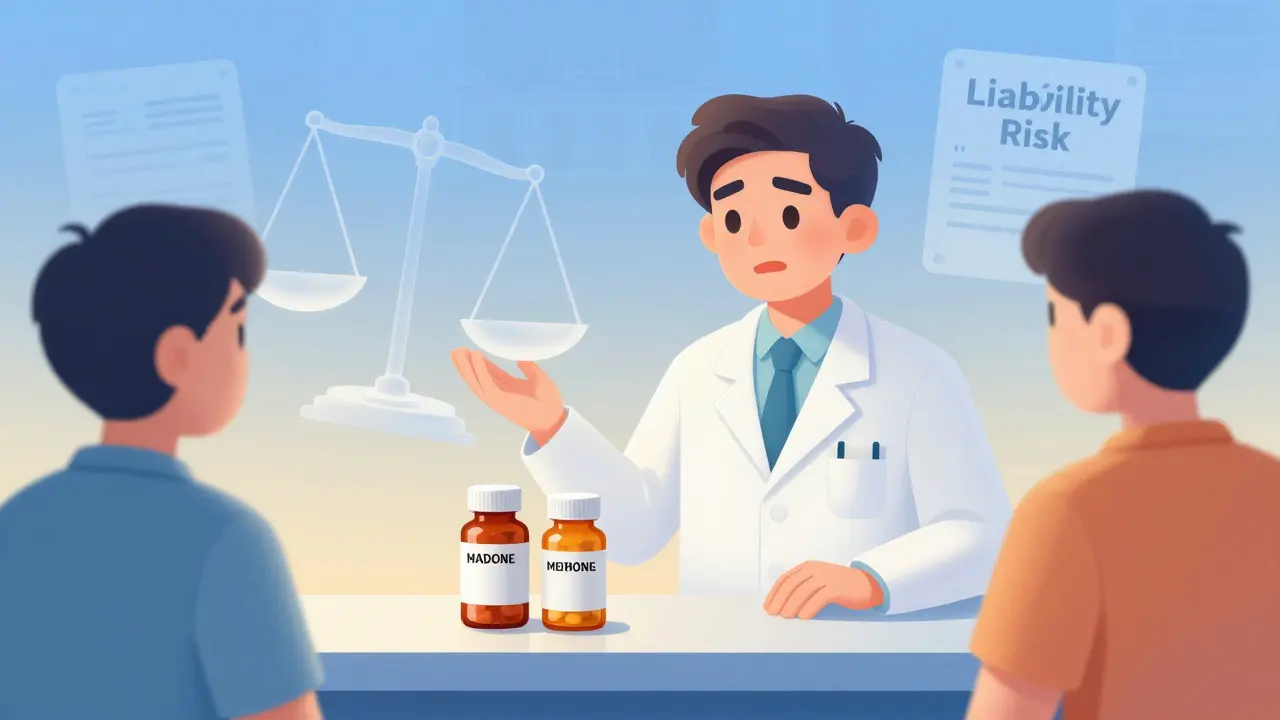
That’s why therapeutic equivalence, the measure of whether a generic drug performs the same way in patients as the brand matters. Not all generics are rated equal by the FDA’s Orange Book. Some carry an AB rating—meaning they’re considered interchangeable. Others are only AB2 or not rated at all. If you’re on a drug like levothyroxine, warfarin, or seizure meds, even small changes in absorption can throw your levels off. That’s why pharmacists are trained to flag these cases, and why doctors sometimes write "Do Not Substitute" on prescriptions. And when you switch from brand to generic—or back again—your body might need time to adjust. One study found that nearly 1 in 5 patients on thyroid meds had a noticeable change in TSH levels after switching generics.
It’s not just about pills. generic drugs, lower-cost versions of brand-name medications approved by regulatory agencies make up over 90% of prescriptions filled in the U.S. But behind that number are real decisions: insurers pushing for the cheapest option, pharmacies stocking what’s most profitable, and patients who can’t afford the brand. Bulk purchasing and tendering by PBMs drive these choices, and while it saves billions, it also means you might get a different generic each time you refill. That’s why drug safety, the ongoing monitoring of how medications perform after they’re on the market is so critical. Pharmacists report adverse events tied to generics not caught in clinical trials. The FDA’s post-market surveillance system tracks these, but you’re the first line of defense. If you feel different after a switch, write it down. Tell your pharmacist. That data helps protect others.
There’s no one-size-fits-all answer to generic substitution. For some, it’s a clear win—lower cost, same results. For others, it’s a gamble. The key is knowing when to ask questions, when to insist on the brand, and when to trust the system. Below, you’ll find real stories and practical guides from patients and professionals who’ve been through it: how to switch back safely, what to watch for, how insurers manipulate pricing, and why some generics just don’t work for certain people. This isn’t theory. It’s what happens when cost meets care.