
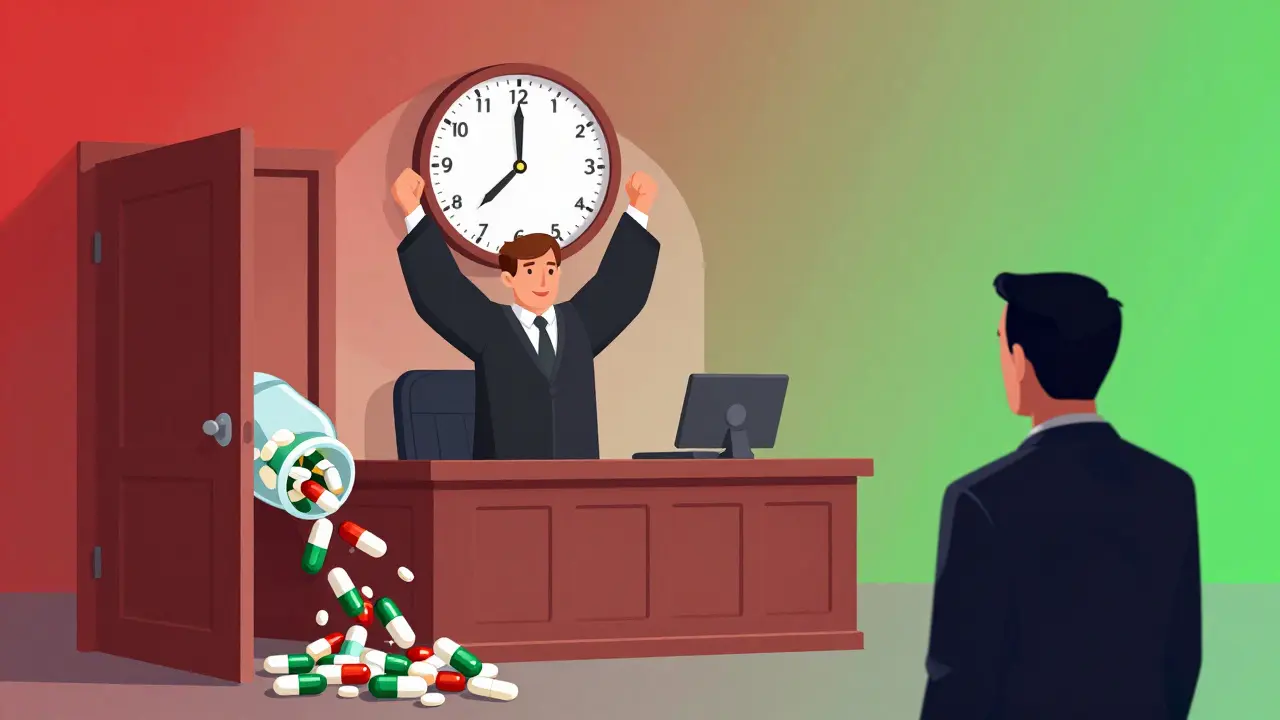
When a brand-name drug’s patent is about to expire, a clock starts ticking-not for the drug company, but for generic manufacturers. They don’t wait for the patent to fade. They file a legal challenge called a Paragraph IV patent challenge, and if they win, they get a massive head start on the market. This isn’t just legal maneuvering-it’s how 90% of prescriptions in the U.S. end up being filled with generic drugs that cost a fraction of the brand name version.
What Is a Paragraph IV Challenge?
A Paragraph IV challenge is a formal notice filed by a generic drug company with the FDA as part of its Abbreviated New Drug Application (ANDA). It says, in plain terms: "Your patent is either invalid, unenforceable, or our drug won’t infringe it." This isn’t a guess. It’s a legally binding statement backed by evidence, and it triggers a high-stakes legal battle. This process comes from the Hatch-Waxman Act of 1984. Before that, generic drugs made up only 19% of prescriptions. Today, they’re 90%. The law was designed to strike a balance: reward innovation by giving brand companies patent protection, but also let generics enter quickly once those patents are truly weak or expired. The Paragraph IV certification is the tool that makes that balance work.How It Works: The 45-Day Countdown
Here’s the step-by-step:- A generic company files its ANDA with the FDA and includes a Paragraph IV certification.
- Within 20 days, it must send a detailed notice to the brand drug company and the patent holder, explaining why the patent is invalid or won’t be infringed.
- The brand company has exactly 45 calendar days to sue for patent infringement. If they don’t sue in that window, the generic can be approved right away.
- If they do sue, an automatic 30-month stay kicks in. The FDA can’t approve the generic until that period ends-or until a court rules the patent is invalid or not infringed.
The 180-Day Exclusivity Prize
The real jackpot isn’t just getting approved-it’s being the first to file a successful Paragraph IV challenge. The first generic company to win gets 180 days of exclusive market access. No other generics can enter during that time. That exclusivity is worth billions. In 2017, Teva earned $1.2 billion during its 180-day window for the generic version of Copaxone, a multiple sclerosis drug. Mylan captured 75% of the generic EpiPen market in 2016 during its exclusivity period. That’s because when you’re the only generic on the shelf, you set the price-and most pharmacies and insurers buy from you.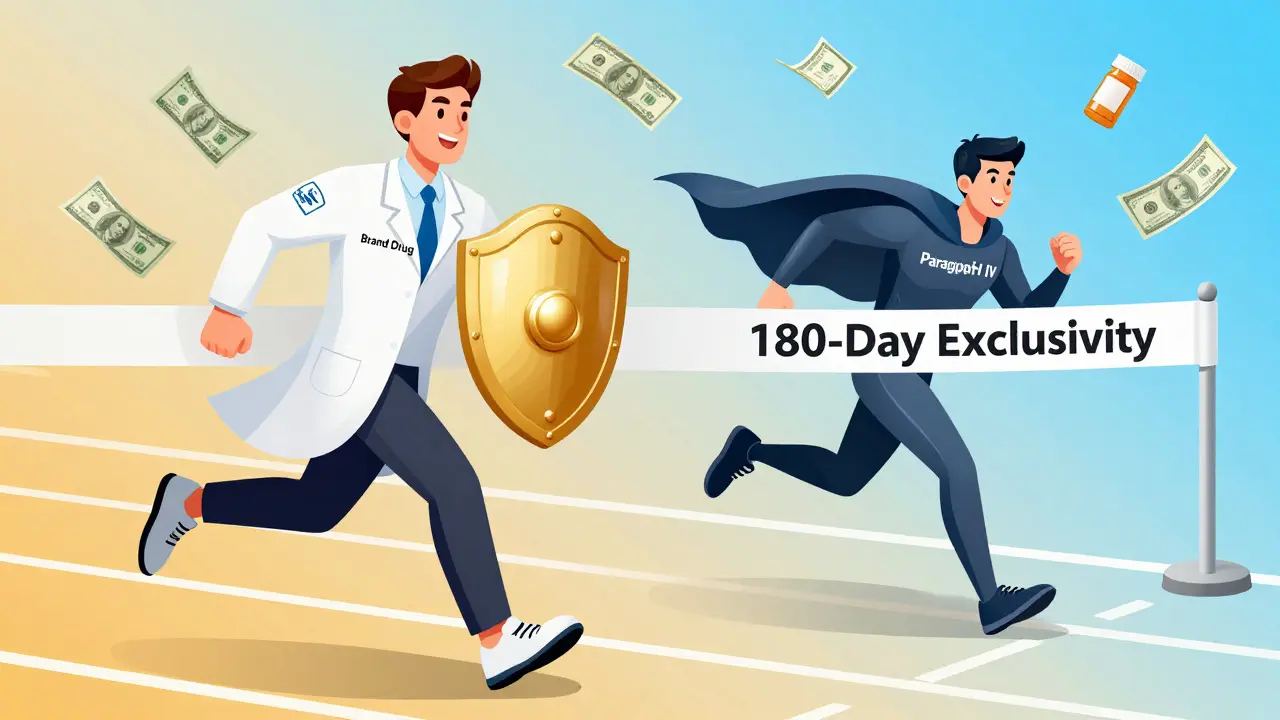
Why Do Brand Companies Fight So Hard?
Brand drugmakers know what’s at stake. A single blockbuster drug can generate $1 billion or more in annual sales. Once generics enter, prices drop 80-90% within months. That’s why companies pile on patents-sometimes 40 or more-for one drug. Copaxone had over 40 patents listed in the FDA’s Orange Book. That’s called a "patent thicket." It’s not about protecting innovation. It’s about delaying competition. The FDA has cracked down on this. Since 2020, new drugs have 23% fewer patents listed than before. Still, companies use "product hopping"-making tiny changes to a drug (like switching from a tablet to a capsule) and filing a new patent-to reset the clock. Allergan was sued for this in 2019 over Restasis.Who Wins? Who Loses?
The success rate of Paragraph IV challenges has dropped from 50% in the 1990s to about 35% today. Why? Brand companies now file stronger patents with better prior art and more detailed claims. Legal scholar Arti Rai at Duke University found that generic companies are winning fewer cases-not because the system is broken, but because brand companies are playing harder. The cost of litigation has skyrocketed too. In 2000, a Paragraph IV case cost around $5 million. Today, it’s $15.7 million. That’s why only the biggest generic players-like Teva, Mylan, Hikma, and Sandoz-are filing these challenges. In 2022, the top 10 companies accounted for 68% of all filings, up from 52% in 2015. But here’s the flip side: the savings are enormous. The FTC estimates that every successful Paragraph IV challenge saves consumers $13.7 billion per drug. Since 1990, the total savings from these challenges have exceeded $1.2 trillion. That’s money back in patients’ pockets and in insurance funds.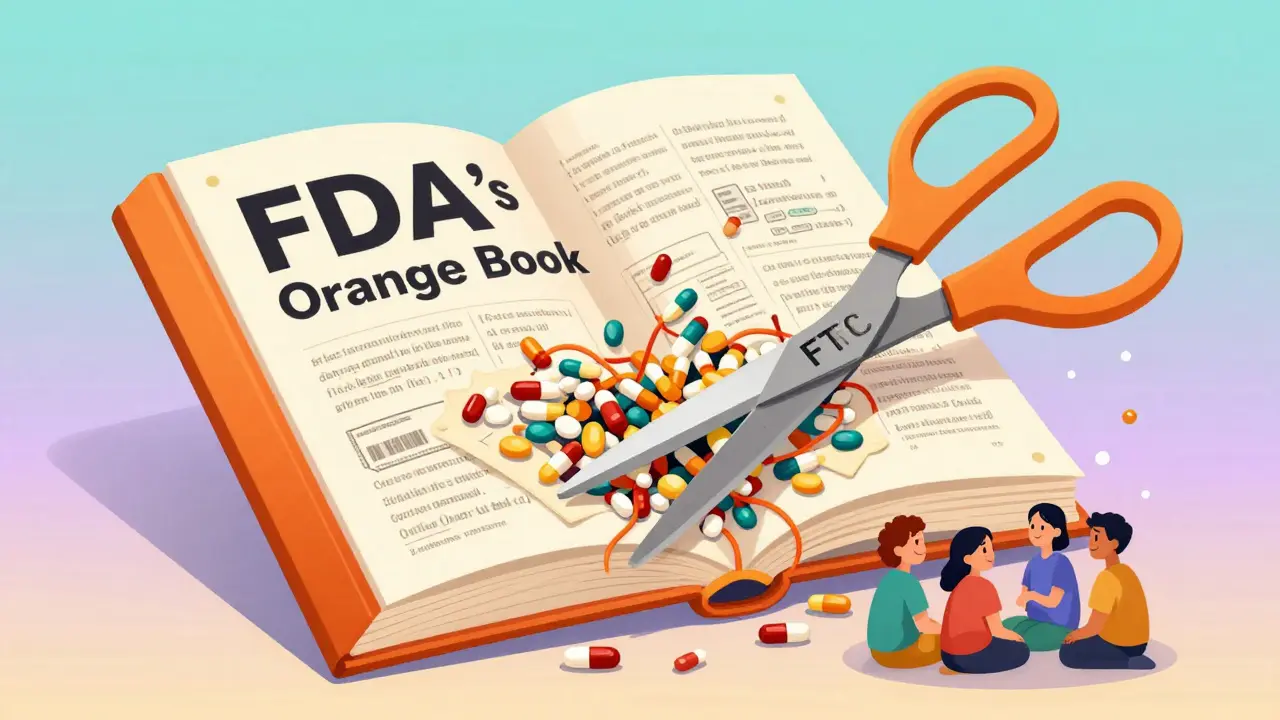
Settlements and "Pay-for-Delay"
Most Paragraph IV cases-72%-never go to trial. They settle. But not all settlements are fair. In the past, brand companies would pay generic makers to delay entry. That’s called "pay-for-delay." For example, a brand company might agree to pay a generic maker $100 million to hold off on selling its version until 6 months after patent expiry. That’s anticompetitive, and the Supreme Court shut it down in 2013 with the Actavis decision. Now, settlements still happen-but they’re structured differently. They usually guarantee generic entry no later than 75 days before the patent expires. No cash payments. No delays beyond what the law allows. The FTC reports that "pay-for-delay" deals dropped from 78% of settlements in 2010-2014 to under 20% after 2013.The Bigger Picture: What’s Next?
The system is evolving. The 2022 Inflation Reduction Act lets Medicare negotiate prices for the most expensive drugs. That’s making Paragraph IV challenges even more valuable. If a drug is targeted for price negotiation, getting a generic in early could save billions more. New trends are emerging. Some generic companies are filing multiple challenges in sequence-called "patent cliff stacking." Hikma did this with Novo Nordisk’s Victoza, challenging one patent after another to extend its market presence beyond the 180-day window. The FDA and FTC are also cracking down on "sham" patent listings-where companies list patents that don’t actually cover the drug just to trigger a 30-month stay. Endo International was hit with an FTC enforcement action in 2023 for this exact tactic.Why This Matters to You
If you or someone you know takes a brand-name drug like Humira, Enbrel, or Lipitor, you’ve felt the impact of Paragraph IV challenges. Without them, those drugs would still cost over $2,000 a month. Now, the generic versions cost under $50. It’s not about big pharma vs. big generics. It’s about access. The system isn’t perfect. It’s expensive, slow, and stacked with legal hurdles. But it works. Every successful Paragraph IV challenge brings down prices, increases access, and saves lives. The next time you pick up a generic prescription, remember: someone filed a legal challenge years ago. They took a risk. They spent millions. And they changed the game-for you.What is a Paragraph IV certification?
A Paragraph IV certification is a legal statement filed by a generic drug manufacturer with the FDA as part of its Abbreviated New Drug Application (ANDA). It claims that a patent listed for the brand-name drug is invalid, unenforceable, or that the generic product won’t infringe it. This triggers a 45-day window for the brand company to sue for patent infringement.
How long does a Paragraph IV challenge take?
The process can take anywhere from 2 to 5 years. After the generic company files its ANDA, the brand company has 45 days to sue. If they do, a 30-month regulatory stay begins. But if the court rules in favor of the generic before then, approval happens immediately. On average, generic drugs enter the market 5.2 years after the brand drug’s approval, according to JAMA Internal Medicine.
Why do generic companies risk filing a Paragraph IV challenge?
The first generic company to successfully challenge a patent gets 180 days of exclusive marketing rights. During that time, no other generics can enter. That exclusivity can generate hundreds of millions in revenue-like Teva’s $1.2 billion from its Copaxone generic. The potential payoff far outweighs the legal risk for major manufacturers.
Can a brand company stop a Paragraph IV challenge?
They can delay it, but not stop it. By suing within 45 days of notification, they trigger a 30-month FDA approval stay. But if the court finds the patent invalid or not infringed, the stay ends and the generic is approved. Companies can’t legally block a challenge-they can only slow it down.
What’s the difference between a Paragraph IV challenge and an IPR?
A Paragraph IV challenge happens in federal district court as part of the FDA approval process. An Inter Partes Review (IPR) is a separate proceeding at the Patent Trial and Appeal Board (PTAB) that can invalidate patents but doesn’t speed up FDA approval. Paragraph IV is the only path that gives the 180-day exclusivity. IPRs are faster (18 months) but don’t unlock market access.
Are Paragraph IV challenges only for small-molecule drugs?
Yes. Paragraph IV challenges apply only to traditional small-molecule drugs approved under the New Drug Application (NDA) pathway. Biosimilars-generic versions of biologic drugs-use a different process under the Biologics Price Competition and Innovation Act (BPCIA), which allows for patent litigation but doesn’t include the 180-day exclusivity.
Harshit Kansal
January 6, 2026 AT 09:49So basically generic makers are the unsung heroes of affordable medicine? Wild how a legal footnote changed healthcare forever.
Isaac Jules
January 7, 2026 AT 03:51Let’s be real - this system is rigged. Big Pharma pays lawyers more than doctors. Paragraph IV? More like Paragraph IV-You’re-Still-Dead-To-Me.
Melanie Clark
January 8, 2026 AT 11:10The FDA is complicit in this scam. They approve generics while letting pharma list 40 patents for one pill. This isn't innovation - it's a legal shell game designed to keep prices high. You think your $50 prescription is a win? Wait till you see the corporate profits behind it. The real victims aren't patients - they're the nurses who can't afford insulin. And don't even get me started on how they manipulate the Orange Book. It's all smoke and mirrors. The government calls it competition but it's really a monopoly with extra steps. They're laughing all the way to the bank while you're choosing between pills and rent. This isn't healthcare. It's capitalism with a stethoscope.
Cam Jane
January 10, 2026 AT 09:35People forget that without these challenges, drugs like Humira would still cost $2000 a month. Generics saved millions. The system isn't perfect but it’s the only thing keeping big pharma from pricing people out of life-saving meds. Keep fighting the good fight.
Stuart Shield
January 10, 2026 AT 22:58It’s fascinating how a single clause in a 1984 law became the backbone of modern pharmaceutical access. The Hatch-Waxman Act didn’t just tweak the system - it rewired the entire economic logic of medicine. You’ve got this beautiful tension: innovation rewarded, but not at the cost of human lives. And yet, the gaming of patents? That’s where the soul of the system gets corroded. It’s not just about money - it’s about dignity. The 180-day window isn’t a loophole - it’s the only lever ordinary people have against corporate inertia. We should celebrate the lawyers who fight these battles, not vilify them.
Tom Swinton
January 12, 2026 AT 21:08Okay, but let’s not romanticize this - the 180-day exclusivity period is a double-edged sword. It incentivizes litigation, yes, but it also creates monopolies within the monopoly. One company gets to jack up prices for six months while everyone else waits. That’s not competition - that’s a temporary cartel. And the cost of litigation? $15 million? That’s a wall that only megacorporations can climb. Small players? They’re locked out. So now it’s not just Big Pharma vs. generics - it’s Big Generic vs. Everyone Else. And the patients? They’re still paying the price, just in different ways. The system didn’t fix inequality - it just repackaged it.
Gabrielle Panchev
January 13, 2026 AT 09:48Wait - so you’re telling me that after 40 years of this system, the FDA still allows patent thickets? That’s not regulation - that’s surrender. And product hopping? That’s not innovation, that’s fraud. They change the capsule shape and call it a new drug? Come on. The courts are letting them get away with this because they’re too scared to challenge the billion-dollar lobbying machine. And don’t even get me started on the settlements - yes, pay-for-delay is technically illegal now, but what’s stopping them from paying in ‘marketing services’ or ‘distribution rights’? It’s all semantics. The law is paper. The money is real. And we’re still the ones who lose.
Tiffany Adjei - Opong
January 15, 2026 AT 05:25Actually, the success rate dropping to 35%? That’s not because pharma got smarter - it’s because the courts are now stacked with judges who’ve taken pharma money. Look at the revolving door between FDA and pharma execs. This isn’t a legal battle - it’s a rigged game. And the FTC? They’re toothless. They issue reports. Big deal. Where are the fines? Where are the indictments? Where’s the justice? This isn’t capitalism - it’s feudalism with a patent lawyer.
Venkataramanan Viswanathan
January 16, 2026 AT 13:05In India, we see this every day - generics are the reason millions can take their hypertension meds. But here’s the irony: the same companies filing Paragraph IVs in the US often produce the exact same pills we use at 1/10th the cost. Why? Because they don’t have to fight 40 patents. They don’t have to pay $15 million to lawyers. The American system isn’t about access - it’s about extracting rent. The real innovation isn’t in the lab. It’s in the courtroom. And we’re all paying for the show.
Mukesh Pareek
January 18, 2026 AT 00:11Paragraph IV challenges represent a suboptimal equilibrium in the Nash sense - the generic firms are engaging in rent-seeking behavior under the guise of consumer welfare. The 180-day exclusivity creates a perverse incentive structure that distorts the efficient allocation of R&D capital. Moreover, the litigation costs exhibit economies of scale that create barriers to entry, thereby violating the very competitive ethos the Hatch-Waxman Act purportedly intended to foster. The empirical decline in success rates is consistent with increased patent quality and strategic patent thickening - not regulatory capture per se. The real issue lies in the institutional fragmentation between PTAB, district courts, and the FDA - a jurisdictional arbitrage opportunity that incentivizes forum shopping.
Lily Lilyy
January 19, 2026 AT 12:34Every time I fill a $10 prescription, I think of the people who fought for it. It’s not just about money - it’s about dignity. Keep pushing. Keep challenging. You’re changing lives.
Jeane Hendrix
January 20, 2026 AT 06:53Wait so if a company files multiple challenges in sequence… like Hikma did with Victoza… doesn’t that kinda defeat the whole point of the 180 day exclusivity? Like… if you’re just chaining challenges… aren’t you just turning it into a never ending legal marathon? And who’s really winning here? The patients? Or just the lawyers?