
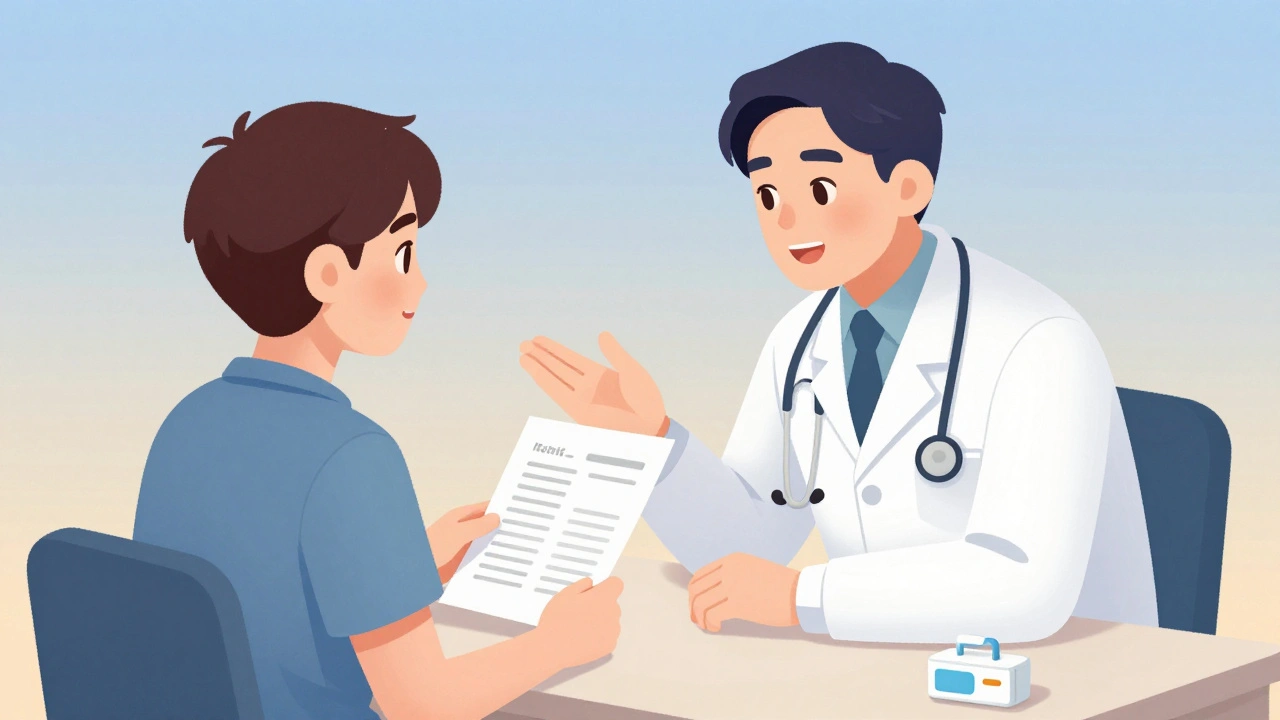
It’s not easy to say out loud that you’re worried you might overdose. Maybe you’re on opioids for chronic pain. Maybe you’ve used substances in the past and aren’t sure if it’s still safe. Maybe you’re just being smart and want to prepare. Whatever your reason, you deserve to talk about this without shame. But too many people avoid the conversation because they’ve been judged before - or they fear they will be.
Why This Conversation Matters
Every day, 78 people in the U.S. die from opioid overdoses. That’s not just a statistic. It’s someone’s parent, sibling, friend, or neighbor. And many of those deaths could be prevented - not just by better treatment, but by a simple conversation with a doctor. The problem isn’t lack of tools. Naloxone, the medication that can reverse an opioid overdose, is safe, effective, and now costs as little as $25 per kit thanks to generic versions approved in 2023. The real barrier? Stigma. A 2022 survey found that 68% of people with substance use disorders have been treated with judgment or disrespect by healthcare providers. Phrases like “You’re just looking for drugs” or “Why would you need that?” are still common. And those words don’t just hurt - they keep people from getting life-saving help.What You Can Say (and What to Avoid)
The way you frame this conversation makes all the difference. Research shows that using clear, factual language increases your chances of getting support by more than four times. Avoid:- “I’m scared I might overdose.” (Too vague - can trigger defensiveness)
- “I think I have a problem.” (Can lead to assumptions you’re using illicit drugs)
- “I need naloxone.” (Without context, some providers still misinterpret this as a red flag)
- “I’d like to discuss overdose prevention as part of my overall health plan.”
- “I’ve read that naloxone is recommended for anyone on long-term opioids - can we talk about getting one?”
- “I’m concerned about being judged, which is why I’m bringing this up. I want to make sure I’m safe.”
Prepare Before Your Appointment
Walking into a doctor’s office unprepared is like showing up for a car repair without knowing what’s wrong. You need to be clear - not just about what you’re feeling, but about what you’ve been using. Take 15-20 minutes before your visit to write down:- All prescription medications you take, including opioids, benzodiazepines, or sleep aids
- How often you take them and at what dose
- Any alcohol, marijuana, or other substances you use, even occasionally
- Any past experiences with overdose (yours or someone you know)
Use Person-First Language
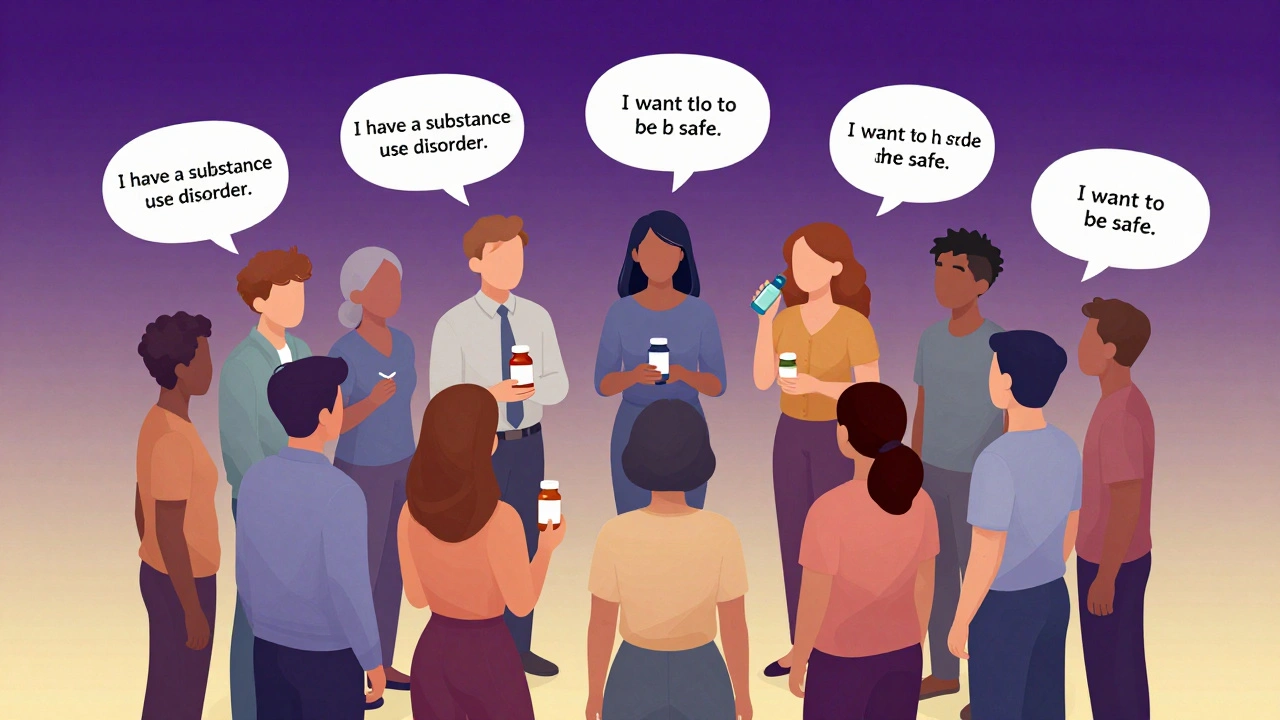
Words matter. Saying “I have a substance use disorder” instead of “I’m an addict” changes how your doctor sees you - and how they treat you. Research from Johns Hopkins in 2022 showed that when patients used person-first language, providers were 37% more likely to respond with compassion and offer help. That’s not because the doctor is a better person - it’s because the language shifts the conversation from moral judgment to medical care. Think of it like this: you wouldn’t say “I’m a diabetic” to describe yourself. You’d say “I have diabetes.” The same applies here. You’re not your condition. You’re a person managing a health issue - just like someone managing high blood pressure or asthma.Frame It Like Routine Care
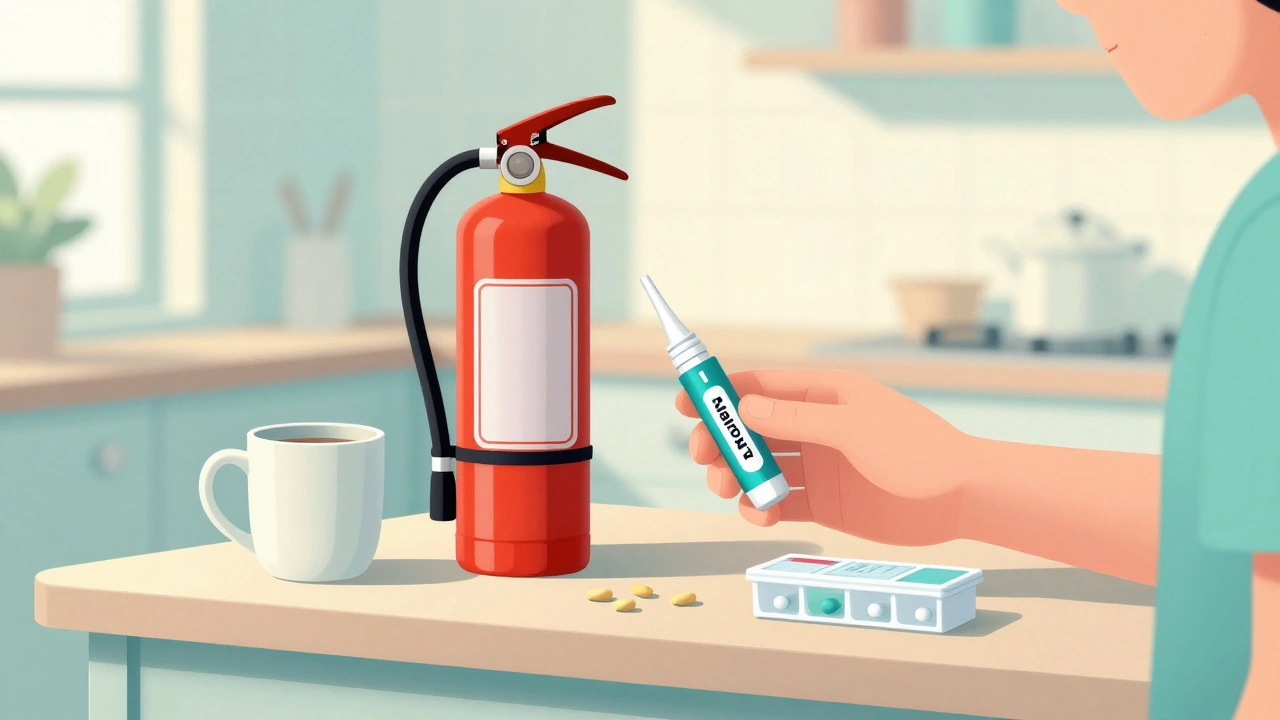
Doctors are used to talking about safety measures for chronic conditions. That’s why it helps to compare overdose prevention to something familiar. Try saying:- “Just like we talk about having a fire extinguisher at home or an EpiPen for allergies, I want to make sure I have naloxone in case of emergency.”
What If Your Doctor Reacts Negatively?
Not every doctor is trained to handle this conversation well. A 2019 study found that 43% of healthcare providers still hold negative attitudes toward patients with opioid use disorder. You might hear things like:- “Why would you need that? Are you using heroin?”
- “You’re just looking for drugs.”
- “I don’t think you’re being honest.”
- “I understand this might be uncomfortable, but I’m asking because I care about my health.”
- “I’ve read the CDC guidelines - they recommend this for everyone on opioids. Can you help me follow them?”
- “I’d like a referral to someone who specializes in addiction medicine.”
Resources to Help You Prepare
You don’t have to do this alone.- SAMHSA National Helpline: 1-800-662-4357. Free, confidential, and available 24/7. They can help you practice what to say before your appointment.
- AMA’s Patient Guide: The American Medical Association has a free guide - originally written for doctors - that patients can use to understand how to talk about substance use. It’s available in 12 languages.
- SMART Recovery: Offers weekly online meetings specifically for preparing for medical appointments. Over 1,200 people join monthly.
- Reverse Overdose Oregon: Provides tested, real-world talking points created with input from people who’ve been through this.
It’s Not Just About Naloxone
Getting naloxone is important. But the bigger goal is to be seen as a whole person - not a problem to be fixed. The 2023 National Overdose Prevention Strategy sets a goal to train 500,000 healthcare providers in non-stigmatizing communication by 2025. That’s progress. But until then, you have power. You can change how this conversation goes - one appointment at a time. The truth is, your doctor isn’t your enemy. Many want to help. They just need you to show them how.Frequently Asked Questions
What if my doctor refuses to give me naloxone?
If your doctor refuses, ask why. Some may not know how to prescribe it - especially in rural areas where only 28% of providers have the training to prescribe buprenorphine. You can ask for a referral to a clinic that specializes in addiction medicine or go to a pharmacy that offers naloxone without a prescription - it’s legal in all 50 states. Some pharmacies will even train you on how to use it for free.
Will my doctor report me if I admit to using illegal drugs?
In most cases, no. Doctors are not required to report substance use to law enforcement unless you’re a minor, pose an immediate danger to yourself or others, or are involved in a crime. The goal of these conversations is harm reduction - not punishment. If you’re worried, you can say: “I’m sharing this because I want to stay safe, not because I’m afraid of consequences.” Most providers will respect that.
Is it okay to bring someone with me to the appointment?
Yes. Having a trusted friend or family member there can help you stay calm, remember what was said, and advocate for you if the conversation gets tense. Many people find it easier to talk about this with support. Just let your doctor know upfront that you’d like them to be present.
Can I get naloxone even if I’m not on opioids?
Absolutely. Naloxone isn’t just for people on prescription opioids. It can reverse overdoses from heroin, fentanyl, or even mixing alcohol with certain medications. The CDC now recommends it for anyone who uses substances that could cause respiratory depression - including people on benzodiazepines, sleep meds, or even those who use drugs recreationally. You don’t need to be labeled as “at risk” to get it.
How do I know if my doctor is trained in non-stigmatizing care?
Ask directly: “Have you received training on how to talk about substance use without judgment?” Since 2017, federal law requires providers who take Medicare or Medicaid to complete stigma training. By 2022, 89% had done so. If they haven’t, they’re still required to provide care - but you have the right to ask for a referral to someone who has.
Deborah Andrich
December 15, 2025 AT 03:28Just had my appointment last week and used the exact phrase from the article: 'I'd like to discuss overdose prevention as part of my overall health plan.' They handed me two naloxone kits without blinking. No judgment. Just a nod and 'Good call.'
Donna Hammond
December 16, 2025 AT 17:32This is the kind of guide every person on long-term pain meds needs. I work in ER and see too many people who waited until it was too late because they were scared to speak up. The person-first language tip? Game changer. I've started using it with patients too. It flips the whole dynamic.
Sheldon Bird
December 17, 2025 AT 05:25Just saved this for my next doc visit. Also printed out the AMA guide. My cousin used this method last year and got naloxone without drama. Seriously, this stuff works. 🙌
Emma Sbarge
December 17, 2025 AT 21:39Stop pretending this is just about language. You're asking a doctor to ignore red flags because you're scared of being called out. If you're using opioids long-term and worried about overdose, you're already in a high-risk category. No amount of polite phrasing changes that.
Tommy Watson
December 18, 2025 AT 23:14bro the part about bringing a timeline? lmao i wrote down 'oxycodone 10mg 3x a day, weed 2x a week, melatonin for sleep' and my doc just stared at me like i told him i eat dirt. then he said 'you good?' and left. no naloxone. no talk. just... silence.
Karen Mccullouch
December 20, 2025 AT 00:57Why are we making this so complicated? If you're using opioids, you're at risk. Period. Stop gaslighting yourself with 'person-first language' and just get the damn naloxone from the pharmacy. No appointment needed. Just walk in. They'll give it to you. No judgment. Just cash.
Richard Ayres
December 20, 2025 AT 19:26It's interesting how much of this hinges on framing. The research cited is compelling - but I wonder if the real issue isn't the language patients use, but whether providers are trained to receive it. A well-phrased request is useless if the listener is unwilling to listen.
Michael Gardner
December 21, 2025 AT 06:39Wait - so if I say 'I'd like to discuss overdose prevention strategies' I get naloxone, but if I say 'I'm scared I might die' I get a lecture? That's not evidence-based. That's emotional manipulation. The system rewards performative calmness, not honesty.
Ronan Lansbury
December 21, 2025 AT 07:26Let’s be honest - this entire movement is part of a larger agenda to normalize substance use under the guise of harm reduction. Naloxone isn’t a safety tool - it’s an enabler. And the CDC? They’ve been funded by pharmaceutical interests since 2015. Read the disclosures.
Willie Onst
December 23, 2025 AT 06:39Man, I wish I had this when I was 22. I went to my doctor crying, saying 'I think I'm gonna die,' and he told me to 'get a hobby.' Two years later, I almost did. Now I carry naloxone. I teach others how to use it. You don't need permission to protect your life. Just show up. Be clear. And if they don't get it? Find someone who does.