
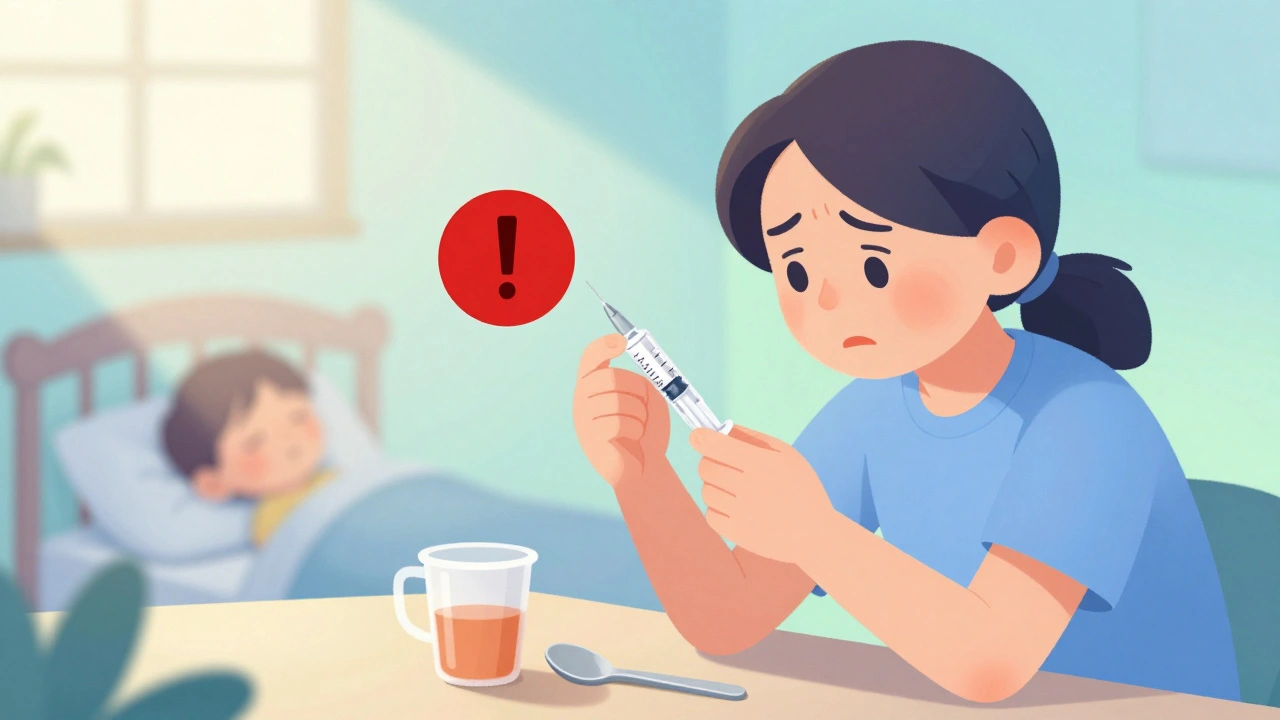
Every year, thousands of children and adults receive the wrong amount of liquid medicine-sometimes too little, sometimes too much. And in many cases, it’s not because someone was careless. It’s because the system is set up to fail. A 2023 study in the Journal of Pediatrics found that 80% of pediatric home medication errors involve liquid dosing mistakes. That’s not rare. That’s routine. And it’s preventable.
Why Liquid Medications Are So Risky
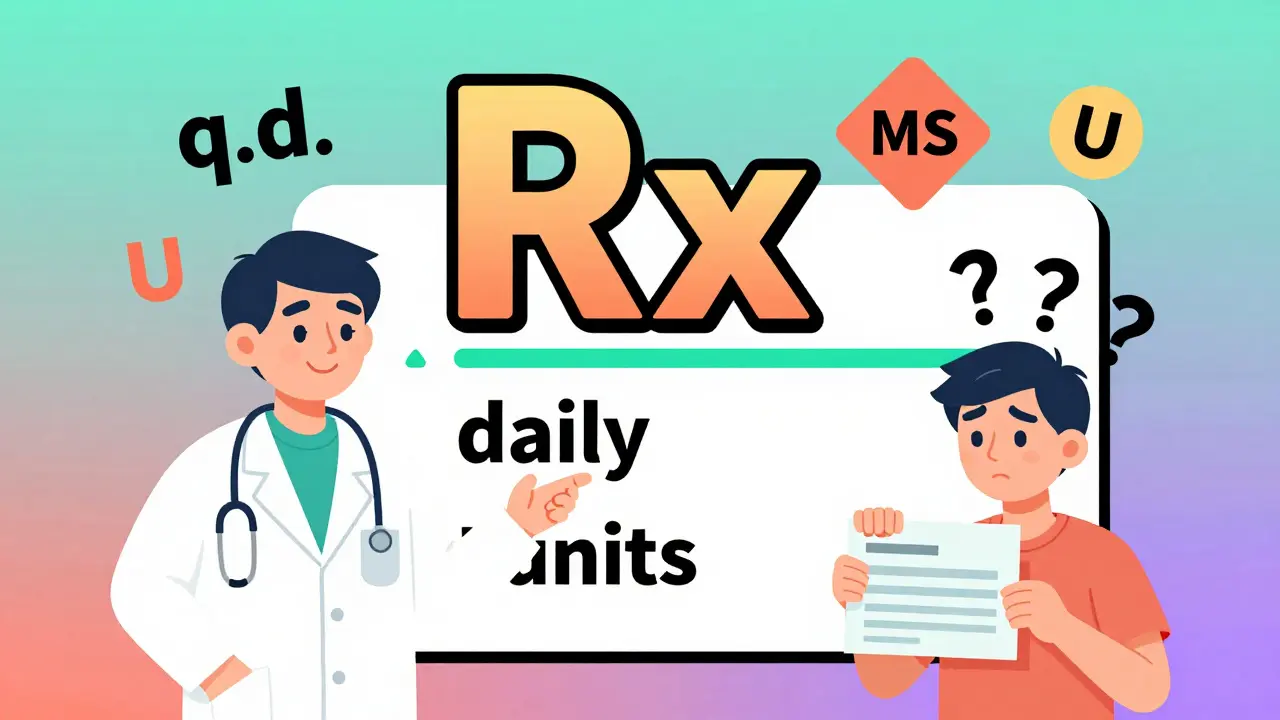
Liquid medicines are tricky. They come in small volumes, often under 5 milliliters, and tiny changes make a big difference. Giving 3 mL instead of 2.5 mL might seem like a small slip-but for a 15-pound infant, that 0.5 mL difference can cause serious side effects or even hospitalization. The biggest problem? Measurement tools. Most people reach for a kitchen spoon, a dosing cup, or worse-a regular medicine cup with blurry markings. But these aren’t accurate. A 2022 NIH study showed that household spoons are only 62% accurate for measuring 2.5 mL. Dosing cups? Barely better at 76%. Oral syringes? 94% accurate. Then there’s the language. Prescriptions still say “teaspoon” or “tablespoon.” But a teaspoon from your kitchen isn’t the same as a medical teaspoon. One study found that 28% of preventable pediatric errors come from this confusion alone. The American Academy of Pediatrics banned non-metric units in prescriptions back in 2015. Yet many pharmacies still print them.The Tools That Actually Work
If you’re giving liquid medicine at home, here’s what you need: an oral syringe. Not a cup. Not a spoon. A syringe with clear milliliter (mL) markings. - For doses under 1 mL: Use a 1 mL syringe with 0.1 mL graduations. - For doses between 1-5 mL: Use a 5 mL syringe with 0.5 mL markings. These cost less than a dollar each. Pharmacies should give them for free with every liquid prescription. But too often, they don’t. If you’re handed a dosing cup, ask for a syringe. Say, “I need the syringe for accuracy.” Most will provide it. In hospitals, the ENFit connector system is now standard. This isn’t just a fancy cap-it’s a safety lock. Before ENFit, feeding tubes could accidentally connect to IV lines, causing fatal errors. Now, the shape of the connector makes it physically impossible. Hospitals that switched saw a 98% drop in wrong-route errors.What Pharmacies Should Be Doing
Pharmacies are the last line of defense before the medicine leaves the building. But too often, they’re the source of the problem. Here’s what a safe pharmacy does:- Prints all labels in only metric units (mL, not tsp or tbsp)
- Includes a free oral syringe with every pediatric liquid prescription
- Uses amber-colored bottles with bold “FOR ORAL USE ONLY” labels
- Provides a printed instruction sheet with a diagram showing how to use the syringe
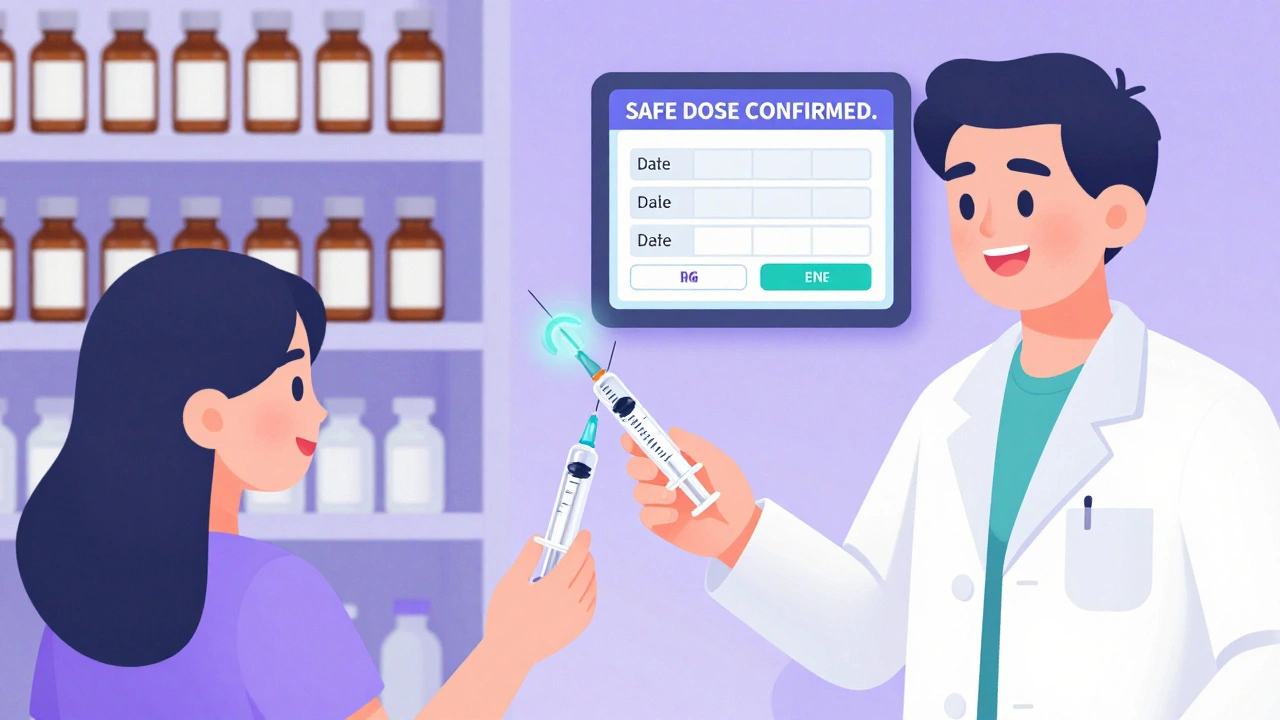
- Verifies the dose against the patient’s weight using a built-in calculator
Electronic Systems That Save Lives
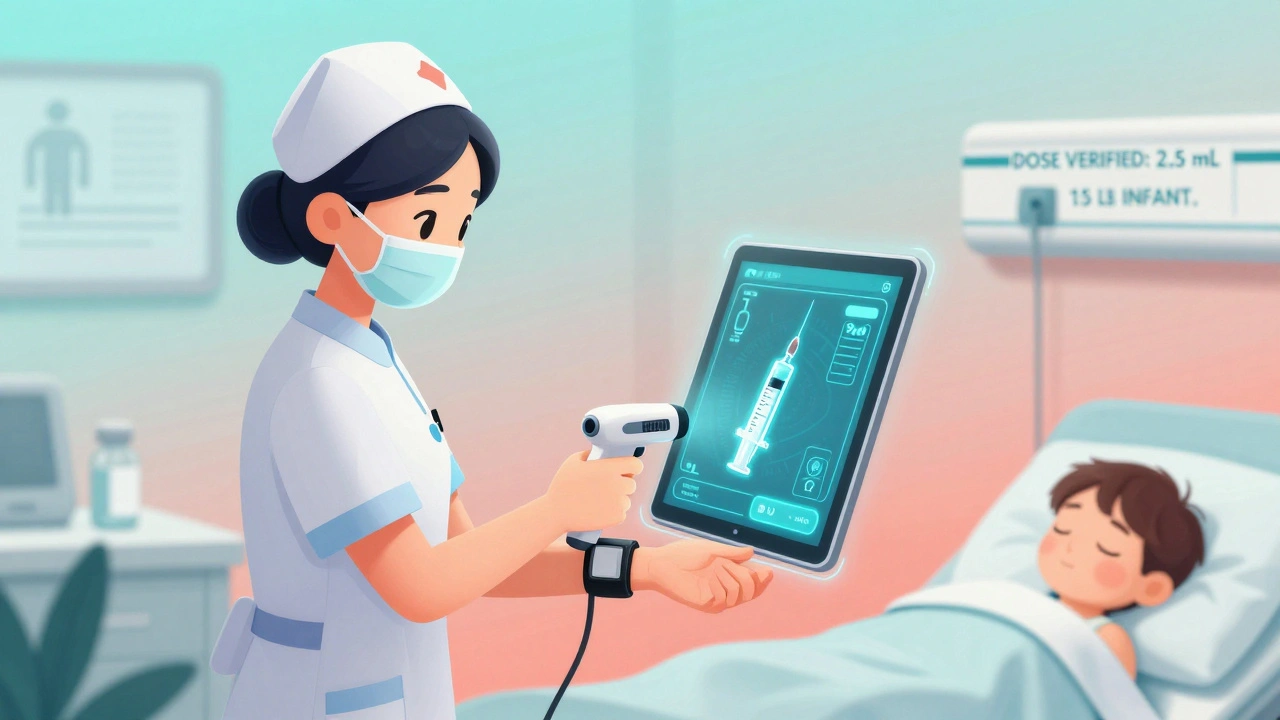
In clinics and hospitals, computerized systems can catch mistakes before they happen. Computerized Physician Order Entry (CPOE) with clinical decision support flags doses that are too high or too low based on weight. For example: If a doctor orders 10 mL of amoxicillin for a 10-pound baby, the system should auto-alert: “Dose exceeds standard weight-based range. Confirm.” That’s not optional anymore. A 2023 Cochrane Review showed these systems reduce pediatric liquid errors by 58%. Barcode scanning (BCMA) also helps. Nurses scan the patient’s wristband, then scan the medication. If it doesn’t match, the system won’t let them proceed. Studies show this cuts wrong-dose errors by 48%. But here’s the catch: it only works if every single dose is scanned. Miss one, and the system fails.What Caregivers Can Do Right Now
You don’t need a hospital budget to prevent errors. Here’s your action plan:- Always ask for an oral syringe when picking up liquid medicine. If they say “we don’t have one,” ask to speak to the pharmacist.
- Never use kitchen spoons. Even if the label says “teaspoon,” it’s not safe. Use the syringe.
- Measure at eye level. Hold the syringe up so the liquid’s meniscus lines up exactly with the mark. Don’t guess.
- Write down the dose on your phone or a sticky note: “2.5 mL at 8 AM, 2.5 mL at 8 PM.”
- Double-check the label every time. Is it the same medicine? Same dose? Same time?
Why This Matters Beyond the Dose
Wrong doses don’t just cause side effects. They cause fear. Parents who’ve given too much feel guilty. Kids who don’t get enough get sicker. Hospitals spend more money. Insurance rates go up. The U.S. spends $8.3 billion a year treating errors from liquid medication mistakes. But the good news? We know how to fix it. Kaiser Permanente cut liquid medication errors by 92% in just two years by doing three things: giving every child a syringe, building dose calculators into their electronic records, and training parents in 15-minute sessions. That’s not magic. That’s policy.What’s Changing in 2025 and Beyond
The FDA just proposed new rules for over-the-counter liquid medicines. Starting in 2026, all OTC cough syrups and fever reducers must come with a standardized dosing device that only measures in mL. No more “fill to the line” cups. Hospitals are being forced to upgrade. The ENFit system is now mandatory for new equipment. And by 2026, every certified electronic health record must include automatic pediatric dose checks. New tech is coming too. Apps with augmented reality are being tested at Boston Children’s Hospital. Point your phone at the syringe, and the app overlays the correct dose. RFID-tagged syringes are being piloted at Johns Hopkins-they auto-log the dose into the patient’s chart. These aren’t sci-fi. They’re coming fast.The Bottom Line
Wrong-dose errors aren’t accidents. They’re system failures. And they’re solvable. If you’re a parent: Use the syringe. Always. If you’re a pharmacist: Give the syringe. Always. If you’re a nurse or doctor: Check the weight. Always. The data is clear. The tools exist. The cost of inaction? Lives.Why are dosing cups unsafe for liquid medications?
Dosing cups are unreliable because their markings are often unclear, and people don’t hold them at eye level when measuring. Studies show error rates of 41% for doses under 5 mL, compared to just 8% with oral syringes. Many caregivers also misread the lines or pour too much because the cup looks like a regular cup. The American Academy of Family Physicians now recommends syringes only for pediatric doses.
Is it okay to use a kitchen teaspoon if I don’t have a syringe?
No. A kitchen teaspoon holds anywhere from 3 to 7 milliliters, depending on the spoon. Medical teaspoons are standardized at 5 mL, but you can’t rely on your kitchen spoon to match that. A 2022 NIH study found household spoons are only 62% accurate. Always use a proper oral syringe, even if you have to go back to the pharmacy for one.
Why do pharmacies still give out dosing cups instead of syringes?
Some pharmacies still use dosing cups because they’re cheaper to stock and have been the default for decades. But that’s changing. The American Society of Health-System Pharmacists (ASHP) and the Joint Commission now require metric-only labeling and appropriate dosing devices. If you’re not given a syringe, ask for one. Many pharmacies will provide it at no cost if you request it.
How do I know if the dose prescribed is correct?
Check the dose against the child’s weight. Most liquid medications have standard dosing ranges based on pounds or kilograms. For example, acetaminophen is typically 10-15 mg per kg per dose. If the dose seems too high or low, ask the pharmacist to verify. Electronic health records now flag doses outside safe ranges, but if you’re using a paper prescription, you need to double-check yourself.
Can I reuse an oral syringe for multiple doses?
Yes, but only if you clean it properly. Rinse it with water after each use and let it air dry. Don’t share syringes between family members. If the plunger becomes stiff or the tip is damaged, replace it. Most syringes are designed for multiple uses as long as they’re kept clean and intact.
Are there apps or tools that help prevent dosing errors?
Yes. Some hospitals and pharmacies offer apps that calculate the right dose based on weight and medication type. Boston Children’s Hospital is testing augmented reality apps that show the correct fill line when you point your phone at the syringe. While these aren’t widely available yet, many free medication calculators exist online or in health apps like MyTherapy or Medisafe. Always cross-check with your pharmacist before trusting an app.




Jay Everett
December 3, 2025 AT 14:13OMG YES. I used a kitchen spoon once for my kid’s amoxicillin and nearly had a panic attack when I realized I had no idea how much I was giving. Got a $0.99 syringe next day and life changed. 🙌 No more guessing. No more guilt. Just clean, clear, accurate doses. Pharmacies need to STOP being lazy and hand these out like candy.
Laura Baur
December 4, 2025 AT 18:30It’s not just about the syringe-it’s about the entire culture of negligence in healthcare. We treat pediatric dosing like it’s a DIY project, when in reality, it’s a high-stakes medical procedure. The fact that we still allow ‘teaspoon’ on labels in 2025 is a moral failure. The FDA’s new rules are a start, but they’re reactive, not preventative. We need mandatory training for pharmacists, not just a sticker on the bottle.
मनोज कुमार
December 4, 2025 AT 18:31Lynn Steiner
December 5, 2025 AT 18:51And yet, in America, we still let people use spoons because ‘it’s easier.’ Meanwhile, in Germany, every liquid med comes with a calibrated syringe and a QR code linking to a video tutorial. We’re not behind because we’re stupid-we’re behind because we don’t care enough.
Roger Leiton
December 6, 2025 AT 10:04Just got my daughter’s antibiotic today and asked for the syringe. The pharmacist looked at me like I asked for a unicorn. Then handed it over with a smile. ‘Finally someone who knows.’ 😊 I’m telling everyone. This is low-hanging fruit for saving lives.
Elizabeth Grace
December 7, 2025 AT 08:32I used to think I was being careful by eyeballing it. Then my kid threw up after a dose and I realized-I had no idea what ‘half a teaspoon’ even looked like. Now I keep 3 syringes in the fridge with the meds. Label them. Color code them. It’s not OCD, it’s survival.
dave nevogt
December 7, 2025 AT 10:48There’s something deeply human about this. We’re so good at building complex systems-AI, robotics, satellite networks-but we still let parents measure medicine with spoons. It’s not a lack of knowledge. It’s a failure of empathy. We don’t design for the tired, scared, sleep-deprived parent. We design for the idealized user. And that’s why people fail.
Zed theMartian
December 8, 2025 AT 17:12Let’s be real. This isn’t about syringes. It’s about the death of accountability. If you’re too lazy to read mL, you shouldn’t be parenting. The real problem isn’t the dosing cup-it’s the people who treat medicine like a game of chance. We’ve infantilized adults and then blamed the tools.
Steve Enck
December 9, 2025 AT 08:55While the empirical data is compelling, one must interrogate the ontological underpinnings of medical instrumentality. The oral syringe, as a technocratic artifact, imposes a regime of precision that pathologizes human fallibility. The very act of requiring a syringe presupposes a Cartesian ideal of the caregiver as a rational agent-a premise that ignores the affective, embodied, and often chaotic reality of caregiving. One cannot reduce therapeutic safety to a milliliter measurement when the human condition is inherently imprecise.
Ella van Rij
December 10, 2025 AT 00:39Oh wow, a whole article about syringes. So groundbreaking. Next you’ll tell us water is wet and gravity exists. 🙄 I mean, I guess if you’ve never seen a syringe before… but I’m sure your readers are just dying to learn that ‘kitchen spoons are bad.’ Thanks for the 10-minute read, Dr. Obvious.
Arun kumar
December 11, 2025 AT 12:23ATUL BHARDWAJ
December 11, 2025 AT 14:29Joel Deang
December 12, 2025 AT 05:56just got back from the pharmacy and they gave me a cup again… i said ‘wait i need the syringe’ and they looked at me like i was asking for a unicorn 🦄 honestly i think they think we’re all just gonna wing it… but nah. i’m the parent who reads the fine print. and i’m not sorry.