

Skipping a pill here and there might seem harmless-maybe you forgot, or the cost was too high, or you felt fine and thought you didn’t need it anymore. But when it comes to prescription medications, especially for chronic conditions, medication nonadherence isn’t just a minor slip-up. It’s a silent crisis that kills more people each year than homicide.
Every Missed Dose Adds Up
Think of your medication like a fuel tank. If you’re driving a car and you skip refueling every other time, the engine sputters. It might still run for a while. But eventually, it stalls. The same thing happens in your body when you don’t take your meds as directed. For conditions like high blood pressure, diabetes, or heart failure, missing doses doesn’t just mean you feel worse today-it means your organs are under constant, avoidable stress. The World Health Organization says only about half of people with long-term illnesses take their medications correctly. That’s not because they’re careless. It’s because the system isn’t built to help them. Costs go up. Side effects scare people. Regimens get too complicated. And doctors rarely ask, "Are you taking your pills?"The Human Cost: More Than Just Feeling Sick
When you don’t take your medication, you’re not just risking your own health-you’re putting your family, your finances, and your future at risk. For people with heart disease, skipping blood pressure or cholesterol meds increases the chance of a heart attack or stroke by up to 50%. In diabetes, nonadherence leads to kidney failure, nerve damage, and blindness over time. For asthma or COPD patients, skipping inhalers means more ER visits and hospital stays. And for those on transplant medications, even one missed dose can trigger organ rejection. The numbers are chilling. In the U.S., an estimated 125,000 deaths each year are directly tied to people not taking their medications as prescribed. That’s more than the number of deaths from car accidents. For people over 50, the risk of dying from skipping pills is nearly 30 times higher than the risk of being murdered. And it’s not just older adults. Younger people with mental health conditions like depression or schizophrenia are especially vulnerable. About 59% of those diagnosed with mental illness don’t take their medication consistently. That leads to more hospitalizations, lost jobs, broken relationships, and tragically, suicide.The Financial Burden: It’s Not Just Your Wallet
You might think skipping a pill saves money. It doesn’t. It costs far more in the long run. In 2016, medication nonadherence cost the U.S. healthcare system an estimated $529 billion. That includes emergency room visits, hospital readmissions, and long-term care from complications that could’ve been avoided. For every dollar spent on programs that help people take their meds-like pharmacist counseling or pill organizers-health systems save $3 to $10 in avoided care. Medicare patients are hit hardest. About 20% of hospital readmissions within 30 days are linked to people not taking their medications. Half of those readmissions are entirely preventable. And the cost? Up to $52,000 per patient for a single avoidable hospital stay. Out-of-pocket drug costs keep rising. In 2021, Americans spent $63 billion on prescription drugs themselves-up 4.8% from the year before. That’s why 8.2% of working-age adults say they skip doses because they can’t afford them. And those numbers are even higher among Black, Latino, and Indigenous communities, where access to pharmacies, trust in doctors, and financial strain create a perfect storm for nonadherence.
Why People Skip: It’s Not Laziness
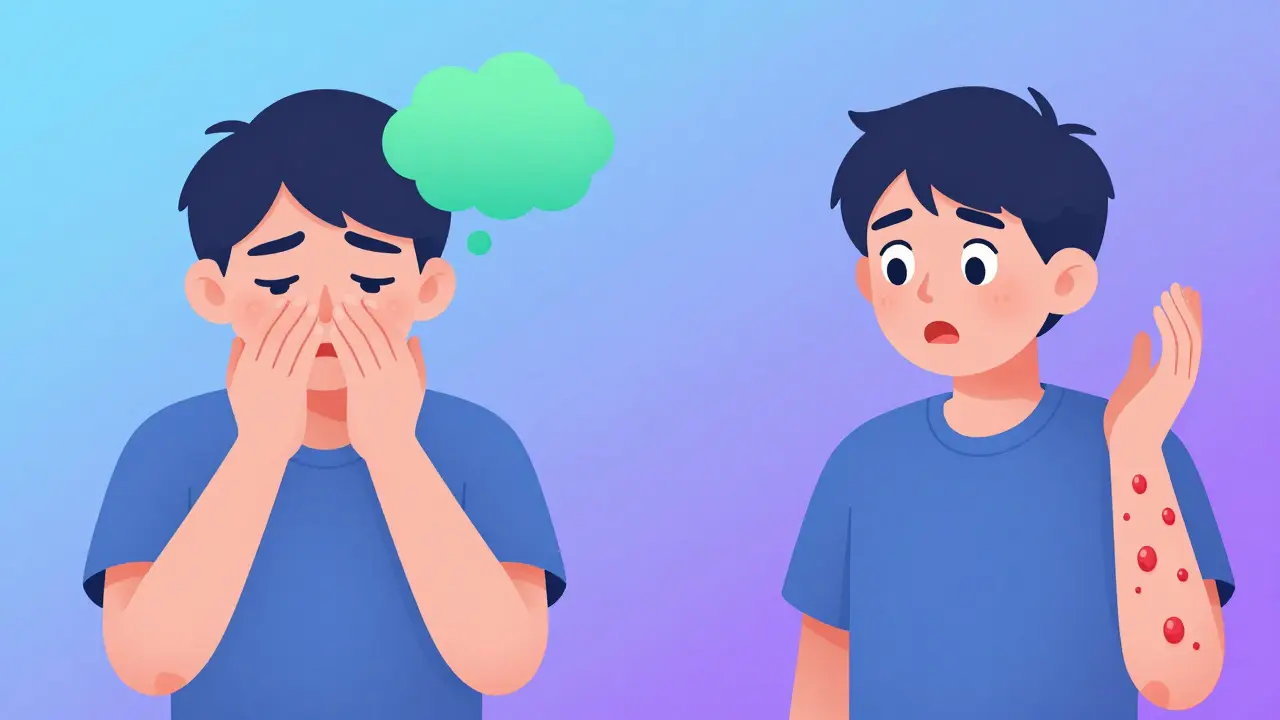
People don’t skip pills because they’re irresponsible. They do it because real barriers exist. - Cost: A $100 monthly pill feels impossible when you’re choosing between rent and medicine. - Side effects: Nausea, dizziness, weight gain-these scare people off, especially if no one explains how to manage them. - Complex regimens: Taking 8 different pills at 3 different times a day? It’s easy to mix up or forget. - Feeling fine: If you don’t feel sick, why keep taking the pill? That’s how high blood pressure and diabetes sneak up on you. - Poor communication: Many patients don’t understand why the drug matters. They’re told what to take, but not why. And here’s the kicker: adherence drops over time. People start strong, then slowly stop. By six months, nearly half of those on chronic meds are no longer taking them as directed.What Works: Simple Fixes That Save Lives
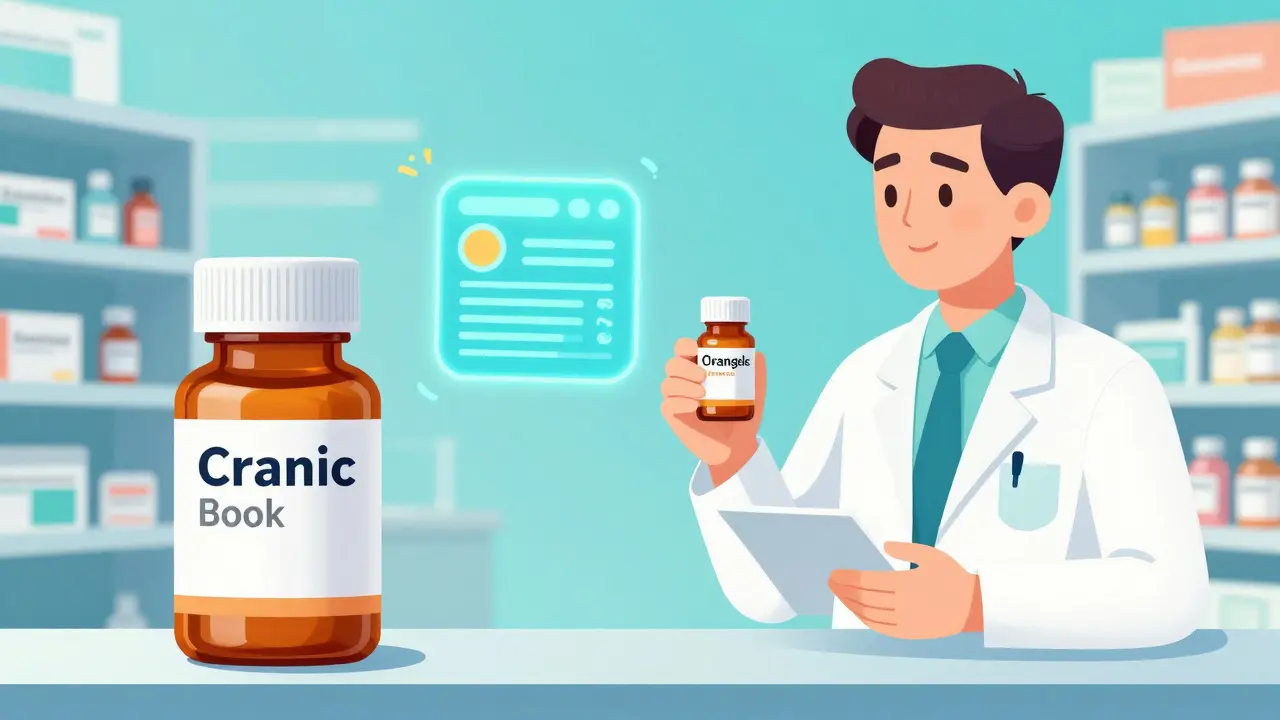
The good news? We know how to fix this. Pharmacist-led programs have boosted adherence by 15-20%. That means talking to your pharmacist-not just picking up a script, but asking: "What happens if I miss a dose?" "Can you simplify this?" "Is there a cheaper option?" Text message reminders? They improve adherence by 12-18%. A simple "Don’t forget your pill today!" can make a huge difference. Pill organizers with alarms. Once-a-day combos instead of multiple pills. Generic versions. Mail-order prescriptions. All of these help. And doctors need to ask the right question: "Have you had trouble taking your medication?" Not, "Are you taking your pills?" The first question invites honesty. The second invites shame. Some health systems are now using AI to predict who’s at risk of skipping meds-based on refill patterns, income, or past hospital visits-and then reaching out before a crisis happens. Early results show 70-85% accuracy.
What You Can Do Today
You don’t need a perfect system. You just need one small change.- Set a daily phone alarm labeled with your pill’s name.
- Ask your pharmacist if your meds can be combined into one daily dose.
- Request generic versions if cost is an issue.
- Bring your pill bottles to your next appointment. Let your doctor see what you’re actually taking.
- Call your insurance company and ask: "Is there a patient assistance program for this drug?" Many exist and are underused.
It’s Not Just About You
When you take your medication as prescribed, you’re not just protecting your health-you’re reducing the burden on hospitals, lowering insurance premiums for everyone, and giving your family peace of mind. The truth is, modern medicine has given us tools to live longer, healthier lives. But those tools only work if we use them. Skipping a pill might feel like a small act. But over time, it adds up to something much bigger: preventable suffering, avoidable death, and wasted money. Your health isn’t a suggestion. It’s a responsibility-to yourself, and to everyone who cares about you.What happens if I miss one dose of my medication?
Missing one dose usually won’t cause immediate harm, but it can lower the drug’s effectiveness over time. For some medications-like antibiotics or blood thinners-even one missed dose can lead to treatment failure or dangerous side effects. Always check the label or call your pharmacist for specific instructions. Never double up unless told to.
Why do I feel fine but still need to take my pills?
Many chronic conditions-like high blood pressure, high cholesterol, or early-stage diabetes-don’t cause obvious symptoms until damage is already done. The medication is working behind the scenes to prevent heart attacks, strokes, kidney failure, or nerve damage. Feeling fine doesn’t mean you’re cured. It means the treatment is doing its job.
Can I stop my medication if I don’t like the side effects?
Never stop on your own. Side effects are often temporary and can be managed-by adjusting the dose, changing the time you take it, or switching to a different drug. Talk to your doctor first. Stopping suddenly can cause rebound effects, like a spike in blood pressure or seizures. Your doctor can help you find a solution without risking your health.
Is it cheaper to skip doses than to buy the full prescription?
No. Skipping doses leads to complications that cost far more. A single hospital stay due to uncontrolled diabetes or heart failure can cost $20,000-$50,000. A month’s supply of medication usually costs under $100-even with insurance. Paying for pills now saves thousands later. Ask your pharmacist about patient assistance programs, generics, or 90-day supplies to reduce costs.
How do I know if I’m taking my meds correctly?
Track your doses for a week using a pill diary or app. Then bring your pill bottles to your next appointment. Your doctor or pharmacist can check if you’re taking the right dose at the right time. Many pharmacies now offer medication reviews for free. Don’t wait until you feel sick-ask for help now.
Are there tools to help me remember my pills?
Yes. Simple tools like pill organizers with alarms, smartphone apps (like Medisafe or MyTherapy), and text message reminders from your pharmacy can boost adherence by up to 18%. Some insurance plans even mail out pre-sorted blister packs with daily doses labeled by time. Ask your pharmacist what’s available.
Stephanie Bodde
December 6, 2025 AT 03:52Just wanted to say I used to skip my blood pressure meds because I felt fine… until I almost passed out at the grocery store. 😅 Now I set three alarms and keep my pills next to my coffee maker. It’s not glamorous, but it keeps me alive. You got this.
Jimmy Jude
December 7, 2025 AT 18:37Oh wow, another ‘take your pills or die’ lecture. Let me guess-you also think people who skip meds are just lazy, right? Like maybe they just need to ‘try harder’? Newsflash: I work two jobs, my insurance doesn’t cover generics, and my pharmacist laughs when I ask for help. This isn’t a moral failing. It’s a system failure. And you? You’re part of the problem.
Mark Ziegenbein
December 8, 2025 AT 08:46The fundamental issue here is not adherence but the commodification of health under late-stage capitalism. When pharmaceutical companies prioritize profit margins over human life and healthcare providers are incentivized to treat symptoms rather than root causes, the notion of ‘personal responsibility’ becomes a cruel illusion. The individual is scapegoated for systemic collapse. We have turned healing into a transaction and then blamed the sick for not buying enough of it. This is not medicine. This is market logic dressed in white coats.
Juliet Morgan
December 9, 2025 AT 02:22my heart goes out to everyone who’s tried to keep up with all these pills and just… failed. i’ve been there. i thought i was weak. turns out the system was just stacked against me. i started using a pillbox with alarms and asked my doc for a 90-day script. it changed everything. you’re not alone. seriously. 💛
Norene Fulwiler
December 9, 2025 AT 17:39As a Black woman in rural Georgia, I’ve seen too many people skip meds because the nearest pharmacy is 40 miles away or the clerk treats them like they’re stealing. Trust isn’t built with prescriptions-it’s built with respect. We need community health workers who look like us, speak our language, and show up. Not just apps and alarms. Real human connection.
James Moore
December 11, 2025 AT 03:30Let me be clear: the fact that 125,000 Americans die annually from nonadherence is not a failure of individuals-it is a national disgrace. Our society has normalized suffering as a cost of doing business. We allow drug prices to soar while offering no safety net. We celebrate innovation in biotech but ignore the logistics of delivery. We call it ‘personal responsibility’ while refusing to fund the infrastructure that makes responsibility possible. This is not a medical crisis. This is a moral bankruptcy.
Chris Brown
December 12, 2025 AT 01:11I find it deeply troubling that people are so quick to excuse nonadherence as a product of systemic failure. Where is personal accountability? If you can afford a phone, you can afford to set an alarm. If you can afford a car to get to work, you can afford to go to the pharmacy. This isn’t about poverty-it’s about discipline. And discipline is what separates those who thrive from those who merely survive.
Laura Saye
December 12, 2025 AT 16:36There’s a quiet, almost spiritual dimension to medication adherence that rarely gets discussed. It’s not just about physiology-it’s about showing up for your future self. Every pill is a silent promise: ‘I believe I deserve to live.’ And when we break that promise, we don’t just risk our bodies-we fracture our sense of self-worth. The real tragedy isn’t the hospitalization. It’s the internal erosion-the quiet belief that you’re not worth the effort.
Michael Dioso
December 13, 2025 AT 20:29LMAO people act like skipping pills is some big mystery. You don’t take your meds because you’re an adult who doesn’t want to be told what to do. That’s it. No conspiracy. No systemic oppression. Just basic rebellion. And now you’re mad when your kidneys fail? Surprise. The world doesn’t owe you a healthy body. You gotta earn it.
Krishan Patel
December 14, 2025 AT 04:18In India, we have a saying: ‘Dawa nahi, soch hai’-it’s not the medicine, it’s the mindset. We don’t have the same healthcare infrastructure, yet adherence rates are higher because we value family accountability. Grandmothers remind, siblings check in, neighbors ask. We don’t rely on apps-we rely on relationships. Maybe the West needs to stop outsourcing care to technology and start rebuilding community.
Carole Nkosi
December 15, 2025 AT 10:10You think this is unique to the U.S.? In South Africa, people choose between insulin and bread. They don’t skip pills out of laziness-they skip because they’re starving. Your statistics are cold. Your solutions are privileged. Until you acknowledge that medicine is a human right, not a commodity, you’re just rearranging deck chairs on the Titanic.
Mark Curry
December 17, 2025 AT 09:13My dad took 11 pills a day for years. One day he just stopped. Didn’t say why. We found out later he couldn’t afford them. He didn’t want to be a burden. He died three months later. I don’t blame him. I blame the system. If you’re reading this and you’re struggling… talk to someone. Even just one person. You don’t have to carry it alone.
Manish Shankar
December 18, 2025 AT 00:53It is imperative to recognize that medication adherence constitutes a complex bio-psycho-social phenomenon, wherein economic, cognitive, and emotional variables converge to influence behavioral outcomes. Empirical studies indicate that interventions grounded in behavioral economics-such as default options, commitment devices, and loss aversion framing-demonstrate statistically significant efficacy in enhancing compliance rates. Institutional policy must prioritize scalable, low-cost, high-impact modalities.
Rupa DasGupta
December 18, 2025 AT 01:20ok but what if i just don't wanna take pills anymore?? like what if my body is telling me to stop?? what if the meds are making me feel worse?? what if i just want to feel my feelings without a chemical blanket?? 🤷♀️
Marvin Gordon
December 19, 2025 AT 16:52My sister took her meds religiously. She got sick anyway. She didn’t die from skipping. She died from the system. I’m not here to guilt-trip anyone. I’m here to say: if you’re trying, that’s enough. And if you’re not? That’s okay too. Let’s stop shaming and start fixing.