Verify Prescription: How to Confirm Your Medication Is Legitimate and Safe
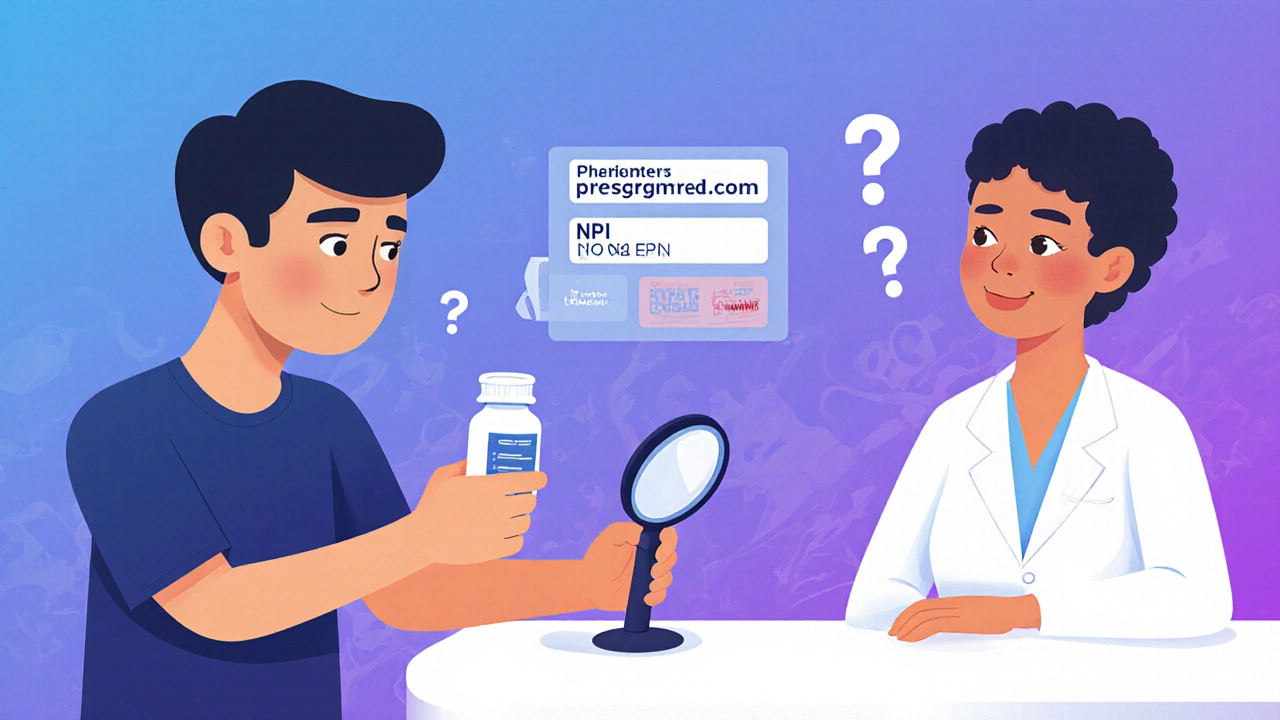
When you verify prescription, you’re checking that the medication you’re about to take was legally prescribed, correctly labeled, and comes from a trustworthy source. It’s not just a formality—it’s your last line of defense against counterfeit drugs, wrong dosages, and dangerous mix-ups. Too many people assume their pharmacy has it right, but mistakes happen—and so do scams. A fake pill can look identical to the real thing, but the difference could be life or death.
Most prescriptions you get today come from one of two places: your doctor’s office or an online pharmacy, a digital service that fills and ships prescriptions, often at lower prices than local stores. But not all online pharmacies are legal. Some sell fake versions of popular drugs like azithromycin, an antibiotic used for ear infections and respiratory issues, or rosuvastatin, a cholesterol-lowering drug sold under the brand name Crestor. These counterfeit pills might contain no active ingredient, too much, or even toxic substances like fentanyl or rat poison. That’s why verifying your prescription isn’t just smart—it’s essential.
Here’s how to do it right. First, check the prescription itself. Does it have your full name, the prescriber’s license number, and the pharmacy’s physical address? Fake ones often skip these details or use blurry logos. Next, look at the pill. Compare it to images on the FDA’s website or trusted drug databases like MedlinePlus. If the color, shape, or imprint looks off, don’t take it. Then, confirm the pharmacy. Is it licensed in your state? You can check that through your state’s board of pharmacy website. If it’s an online pharmacy, it should require a valid prescription and have a licensed pharmacist available to answer questions. If it doesn’t, walk away.
Even if you’re buying from a local pharmacy, double-check the label. Does it match your doctor’s instructions? Did they give you the right dose? Did they include the warning about side effects or interactions? If you’re unsure, call your doctor or pharmacist. No question is too small. People who verify prescription details don’t just avoid bad meds—they prevent hospital visits, allergic reactions, and even overdoses. The system isn’t perfect, but you’re the final checkpoint.
What you’ll find below are real, practical guides from people who’ve been there—whether it’s spotting a fake azithromycin bottle, learning how to check if your generic Crestor is legit, or understanding how the FDA tracks drug safety after it hits the market. These aren’t theory pieces. They’re step-by-step checklists, red flag lists, and real stories from patients who caught a problem before it hurt them. You don’t need to be a pharmacist to protect yourself. You just need to know what to look for—and now you do.