Drug-Induced Arrhythmia: Causes, Risks, and What You Can Do
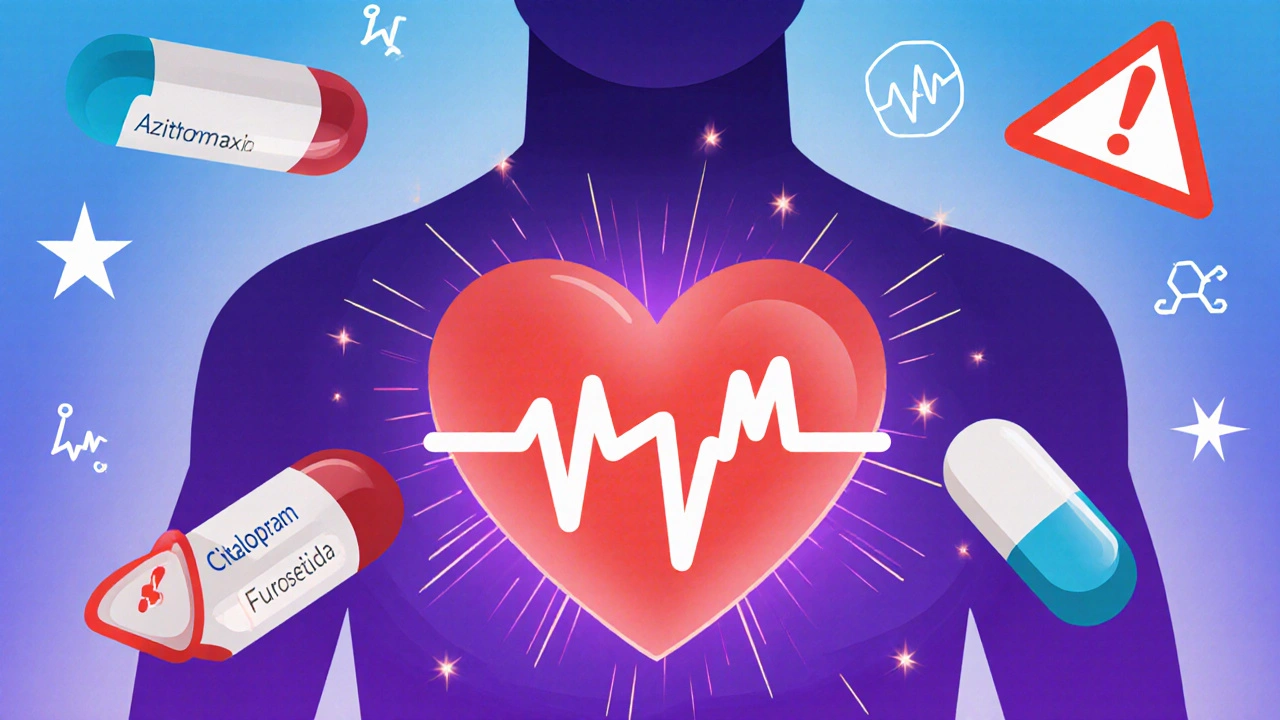
When a medication changes your heart’s rhythm in a dangerous way, it’s called drug-induced arrhythmia, an abnormal heart rhythm triggered by a drug or supplement. This isn’t rare—it happens more often than most people realize, and it can be life-threatening if missed. It’s not just about heart pills. Even antibiotics, antidepressants, allergy meds, and herbal supplements can throw off your heart’s electrical signals. The most common culprit? Drugs that lengthen the QT interval, like certain antibiotics, antifungals, and antipsychotics. This delay makes your heart vulnerable to a fast, chaotic rhythm called torsades de pointes, which can lead to sudden cardiac arrest.
QT prolongation, a measurable delay in the heart’s electrical recovery phase is the red flag doctors watch for. It shows up on an ECG and often happens when two or more risky drugs are taken together, or when someone has kidney or liver problems that slow drug clearance. Older adults, women, and people with existing heart conditions are at higher risk. Even something as simple as taking a high dose of antihistamine with a stomach acid reducer can push your heart into danger. And it’s not just prescription drugs—some weight-loss supplements, energy drinks with stimulants, and even high-dose herbal extracts like ephedra or licorice root have been linked to arrhythmias.
antiarrhythmic drugs, medications meant to fix heart rhythm problems can sometimes cause the very problem they’re supposed to treat. That’s why doctors don’t just pick a drug based on the diagnosis—they check your full list of meds, your kidney function, and your personal risk profile. If you’ve ever felt your heart skip, flutter, or race after starting a new pill, don’t brush it off. That could be your body’s signal. The good news? Most cases are preventable. Simple steps like telling your pharmacist every supplement you take, getting a baseline ECG before starting high-risk meds, and avoiding alcohol with certain drugs can cut your risk dramatically.
What you’ll find below are real, practical guides from people who’ve dealt with this—how to spot early warning signs, which common meds are most likely to cause trouble, how to talk to your doctor about alternatives, and what to do if you’re already on a risky combo. No fluff. Just clear info to help you stay in control of your heart health.