
Arrhythmia Risk Calculator
Assess Your Risk
Your Risk Assessment
Low Risk
Your current medications and health factors show minimal risk.
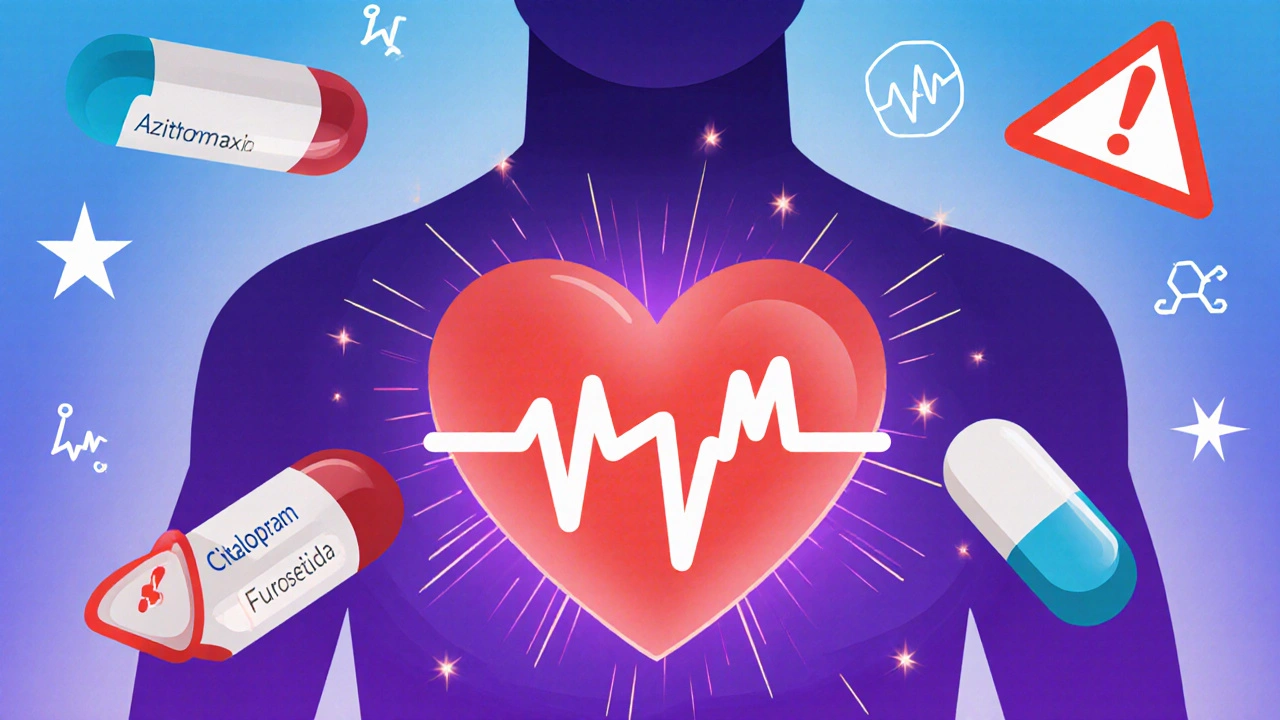
It’s not just old age or stress that can mess with your heartbeat. Some of the medications you take every day - even ones prescribed by your doctor - can trigger dangerous heart rhythm problems. These aren’t rare side effects. Over 400 common drugs, from antibiotics to antidepressants, can cause drug-induced arrhythmias. And for some people, the risk is much higher than others.
What Exactly Is a Drug-Induced Arrhythmia?
An arrhythmia is when your heart beats too fast, too slow, or irregularly. When it’s caused by a medication, it’s called a drug-induced arrhythmia. This isn’t just a minor flutter. It can lead to fainting, heart failure, or even sudden cardiac arrest. The most dangerous type is torsades de pointes - a fast, chaotic rhythm that can turn deadly in minutes. It’s often linked to QT interval prolongation, a measurable change on an ECG that tells doctors your heart’s electrical system is being disrupted.
Many drugs cause this by blocking ion channels in heart cells. These channels control the flow of potassium, sodium, and calcium - the signals that make your heart beat in rhythm. When those signals get messed up, your heart can skip, race, or flutter unpredictably. Even drugs meant to treat arrhythmias, like flecainide or amiodarone, can sometimes make them worse. That’s called proarrhythmia. It’s a paradox: the cure becomes the cause.
Medications That Can Trigger Heart Rhythm Problems
You might be surprised how many everyday drugs carry this risk. Here are the main culprits:
- Antibiotics: Macrolides like azithromycin and fluoroquinolones like levofloxacin can prolong the QT interval. Risk spikes in the first week of use.
- Antidepressants and antipsychotics: Drugs like citalopram, escitalopram, and haloperidol are known QT prolongers. Up to 18% of arrhythmia cases come from psychiatric meds.
- Antiarrhythmics: Flecainide and propafenone can turn atrial flutter into a dangerous wide-QRS rhythm. Amiodarone, despite being a go-to treatment, can cause atrial fibrillation in 2-5% of users through thyroid disruption.
- Digoxin: Used for heart failure and atrial fibrillation, digoxin toxicity causes paroxysmal atrial tachycardia with heart block - especially when levels go above 2 ng/mL. Kidney problems or low magnesium make this much more likely.
- Diuretics: Furosemide and hydrochlorothiazide can drain potassium and magnesium, leaving your heart electrically unstable.
- Cholesterol drugs: Statins rarely cause arrhythmias, but in rare cases, they’re linked to atrial fibrillation, especially with muscle damage.
- Cancer drugs: Trastuzumab (Herceptin) causes inflammation and oxidative stress that disrupt heart cell function, leading to atrial fibrillation in 2-5% of patients.
Even over-the-counter antihistamines like diphenhydramine (Benadryl) and cold medicines containing pseudoephedrine can trigger palpitations or rapid heartbeats in sensitive people.
Who’s at Highest Risk?
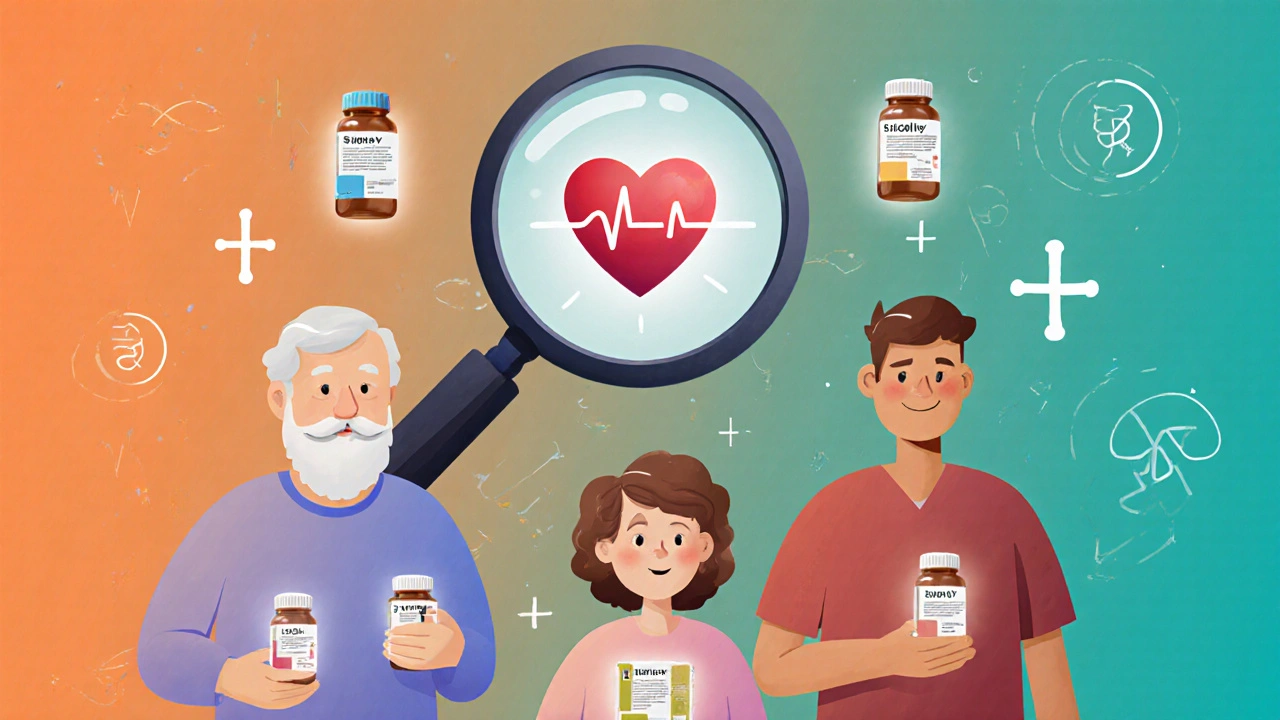
Not everyone who takes these drugs will have problems. But some people are far more vulnerable.
- Age 65 and older: Sixty to seventy percent of severe cases involve older adults. Kidney function drops with age, so drugs stick around longer in the body.
- Low potassium or magnesium: About 20% of hospitalized patients have low potassium. Ten to fifteen percent have low magnesium. Both are critical for normal heart rhythm. Diuretics, vomiting, or poor diet can cause these deficiencies.
- Multiple QT-prolonging drugs: Taking two or more drugs that prolong the QT interval increases risk by 300-500%. For example, combining azithromycin with an antidepressant is a dangerous mix.
- Genetic factors: About 15% of people of African ancestry carry the S1103Y variant. About 12% of East Asians carry R1193Q. These gene changes make heart cells extra sensitive to QT-prolonging drugs. Genetic testing is still rare, but it’s becoming more important.
- Heavy alcohol use: More than three drinks a day triples your risk. Alcohol directly affects heart cell membranes and electrolyte balance.
Warning Signs You Can’t Ignore
These aren’t vague symptoms. They’re red flags. If you’re on any of these medications and notice:
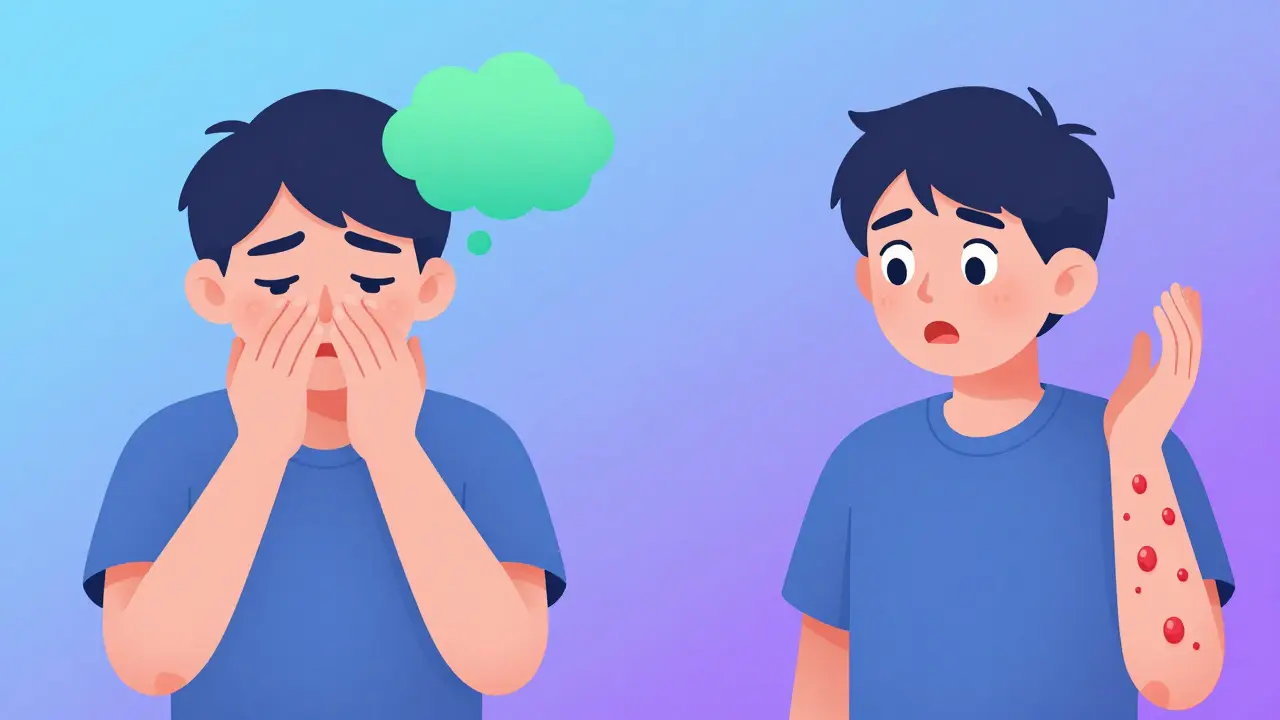
- Palpitations: Feeling like your heart is racing, pounding, or skipping beats. Happens in 70-80% of cases.
- Dizziness or lightheadedness: Especially when standing up. A sign your heart isn’t pumping enough blood to your brain.
- Fatigue or weakness: Not just being tired - feeling too weak to do normal things. Seen in 30-40% of patients.
- Chest discomfort: Pressure, tightness, or pain that doesn’t go away with rest. Could mean your heart is under strain.
- Fainting or near-fainting: Syncope. This is serious. About 5-10% of drug-induced arrhythmias cause fainting. It’s often the first sign of something life-threatening.
If you experience any of these after starting a new medication - even if it’s been a few days - don’t wait. Call your doctor. Don’t assume it’s just anxiety or stress.
How Doctors Manage Drug-Induced Arrhythmias
Most cases can be fixed without surgery. The first step is always stopping or changing the drug - but only under medical supervision. Suddenly quitting some meds can be dangerous.
Here’s what typically happens:
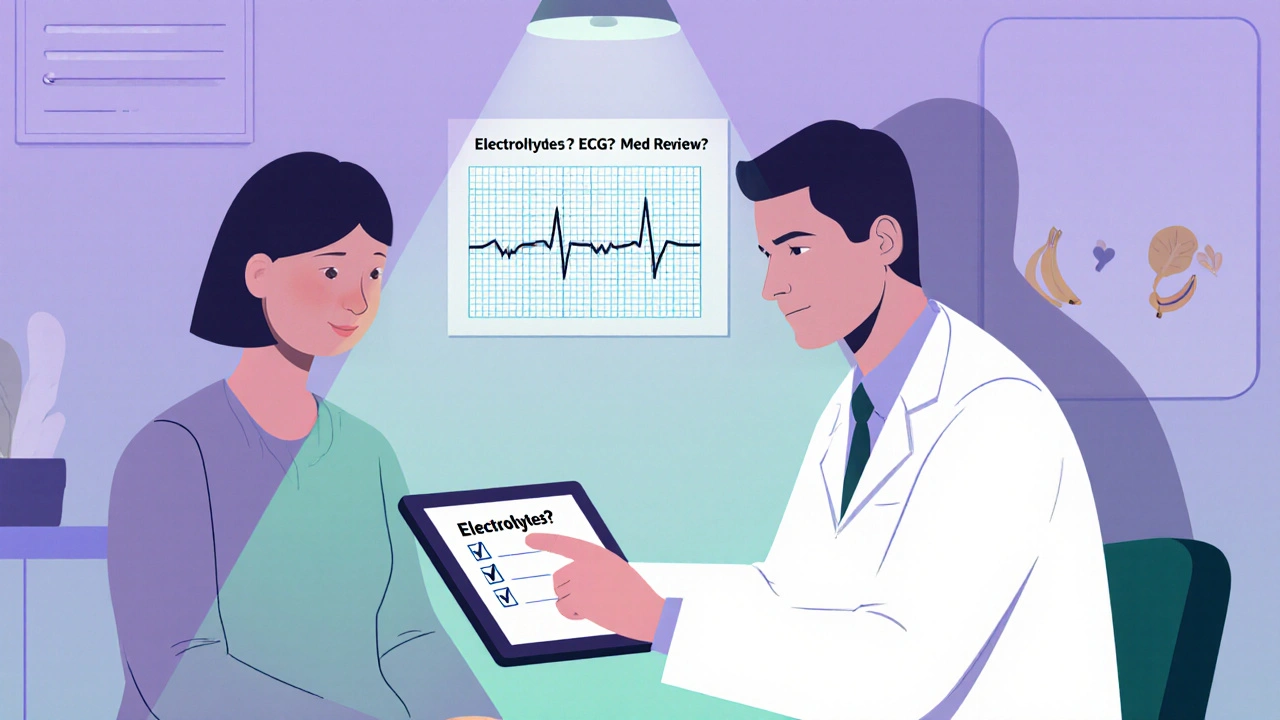
- ECG monitoring: Before starting high-risk drugs, doctors check your baseline ECG. Then they repeat it within 72 hours. If the QT interval stretches beyond 500 milliseconds, they’ll adjust the dose or switch meds.
- Electrolyte correction: If potassium is below 4.0 mEq/L or magnesium below 2.0 mg/dL, they’ll give supplements - often intravenously in hospital settings.
- Dose reduction: For beta-blockers like metoprolol, lowering the dose fixes symptoms in 60-70% of patients with bradycardia.
- Alternative medications: If you need an antibiotic and you’re on an antidepressant, your doctor might pick one that doesn’t prolong QT, like amoxicillin instead of azithromycin.
- Pacemaker or ablation: In rare cases (5-10%), if the arrhythmia keeps coming back and the drug is essential (like for heart failure), a pacemaker may be implanted. Catheter ablation is needed in less than 10% of persistent cases.
Successful management works in 75-85% of cases. That means most people can keep taking their meds safely - if they’re monitored.
What You Can Do to Protect Yourself
You can’t control everything - but you can control a lot.
- Know your meds: Ask your pharmacist or doctor: “Could this cause heart rhythm problems?” Don’t assume it’s safe just because it’s prescription.
- Track your symptoms: Keep a simple log: date, time, what you felt, what meds you took. Bring it to appointments.
- Don’t mix meds without checking: Even OTC drugs and supplements (like St. John’s Wort) can interact. Use a drug interaction checker if you’re unsure.
- Maintain electrolytes: Eat bananas, spinach, potatoes, and nuts for potassium. Include almonds, spinach, and whole grains for magnesium. Avoid excessive salt and processed foods.
- Limit alcohol and caffeine: More than three drinks a day triples your risk. Caffeine alone rarely causes serious arrhythmias, but 25-30% of people with palpitations report it triggers their symptoms.
- Stay active and sleep well: Regular walking, good sleep (7-9 hours), and stress management help your heart stay stable. The Mayo Clinic recommends 30 minutes of daily movement - even just brisk walking.
The Future: Personalized Medicine Is Coming
Doctors are moving away from one-size-fits-all prescribing. In the next few years, genetic testing may become standard before prescribing high-risk drugs. Researchers at Vanderbilt have shown that stem cells with the S1103Y variant go into dangerous rhythms when exposed to QT drugs - proving genetics play a real, measurable role.
The American College of Cardiology is rolling out a clinical tool in 2024 that calculates your personal risk based on age, meds, electrolytes, and genetic markers. Early models already predict risk with 75-85% accuracy. This could cut severe cases by 30-40% in five years.
Meanwhile, the FDA has added black box warnings - the strongest safety alert - to 25 drugs since 2010. Eight were added in 2022 alone. That means regulators are taking this seriously.
But technology won’t help if you don’t speak up. If you feel off, tell your doctor. If you’re on more than one heart-affecting drug, ask for an ECG. Most drug-induced arrhythmias are preventable - if you know the signs and act fast.
Can over-the-counter medications cause heart arrhythmias?
Yes. Common OTC drugs like diphenhydramine (Benadryl), pseudoephedrine (Sudafed), and some cough syrups can prolong the QT interval or stimulate the heart, leading to palpitations or rapid rhythms. Even herbal supplements like St. John’s Wort can interfere with heart medications. Always check with a pharmacist before taking new OTC products, especially if you’re on prescription heart or psychiatric drugs.
Is a heart arrhythmia from medication always dangerous?
Not always. Many people experience mild palpitations or skipped beats that resolve on their own. But some arrhythmias - especially those causing dizziness, fainting, or chest pain - can be life-threatening. Torsades de pointes, for example, can degenerate into cardiac arrest. If you’re unsure, assume it’s serious until proven otherwise. Don’t wait to see if it gets worse.
How long does it take for a drug to cause an arrhythmia?
It varies. For QT-prolonging drugs like antibiotics, the highest risk is within the first 3-7 days. For digoxin, toxicity builds up over days or weeks, especially if kidney function declines. Beta-blockers can cause bradycardia within hours of a dose increase. The key is to monitor closely during the first week of starting any new medication.
Can I stop the medication if I feel symptoms?
Never stop a prescribed medication without talking to your doctor first. Stopping abruptly can cause rebound effects - for example, stopping a beta-blocker suddenly can trigger a heart attack or worsen arrhythmias. Instead, call your doctor, describe your symptoms, and ask whether to pause the drug, lower the dose, or get checked.
Are there tests to check if I’m at genetic risk?
Yes, but they’re not yet routine. Genetic tests can detect variants like S1103Y and R1193Q that increase susceptibility to drug-induced arrhythmias. These are mostly used in research or for patients with unexplained arrhythmias or family history. Some hospitals offer pharmacogenetic testing before prescribing high-risk drugs. Ask your cardiologist if testing is appropriate for you.
What to Do Next
If you’re taking any of the medications listed above - especially if you’re over 65, have kidney issues, or are on multiple drugs - schedule a quick check-up. Ask for a simple ECG and a blood test for potassium and magnesium. Bring a list of every medication, supplement, and OTC product you take.
If you’ve had unexplained dizziness, fainting, or heart flutters after starting a new drug, don’t brush it off. That’s your body warning you. Early action can prevent a hospital visit - or worse.
Medications save lives. But they can also harm - if we don’t pay attention. The best defense? Knowledge, communication, and a little caution.
Deb McLachlin
November 17, 2025 AT 19:42Drug-induced arrhythmias are a serious but under-discussed issue in clinical practice. I’ve seen patients on long-term citalopram develop QT prolongation without any obvious risk factors. The key is baseline ECGs and monitoring electrolytes, especially in the elderly. Many primary care providers still don’t check for this unless symptoms are severe. We need better education at the prescriber level, not just patient warnings.
Gordon Mcdonough
November 18, 2025 AT 09:42THIS IS WHY AMERICA NEEDS TO STOP LETTING FOREIGN DRUGS IN!!! WHO LETS THESE POISONOUS CHEMICALS BE SOLD LIKE CANDY?? I’VE SEEN IT MYSELF-MY NEIGHBOR GOT A PRESCRIPTION FOR AZITHROMYCIN AND ENDED UP IN THE HOSPITAL!!! THEY SHOULD BAN THESE DRUGS!!!
Sridhar Suvarna
November 19, 2025 AT 07:07Thank you for this comprehensive overview. In India, access to ECG monitoring remains limited in rural clinics. Yet, many patients self-medicate with antibiotics and antihistamines without knowing the risks. A simple pamphlet in local languages could save lives. We must prioritize low-cost awareness over high-tech solutions where infrastructure is lacking.
Joseph Peel
November 20, 2025 AT 18:17The distinction between proarrhythmia and therapeutic effect is critical. Flecainide is a perfect example: a Class Ic antiarrhythmic that suppresses atrial arrhythmias but can induce ventricular tachycardia in patients with structural heart disease. The mechanism involves sodium channel blockade in ischemic myocardium. This is not a flaw in pharmacology-it’s a consequence of incomplete patient stratification.
Kelsey Robertson
November 21, 2025 AT 11:07Wow, so now we’re supposed to be afraid of every single pill we take? I mean, really? Next you’ll tell me that water can cause arrhythmias if you drink too much. People are dying from fear now, not from drugs. This is just another fear-mongering article designed to scare people away from medicine.
Elia DOnald Maluleke
November 21, 2025 AT 23:10There is a metaphysical dimension to this: the body, as a sacred vessel, responds not merely to chemistry but to the intent behind the substance. When we ingest pharmaceuticals without reverence-for convenience, for numbness-we disrupt not only ion channels but the subtle rhythms of our being. The heart does not merely beat-it sings. And when the song is poisoned by synthetic interference, the soul knows it before the ECG does.
satya pradeep
November 22, 2025 AT 18:44Bro, I took Benadryl for allergies and my heart started racing like a race car. I thought I was having a panic attack. Turned out it was the med. I stopped it and boom-gone. So yeah, OTC stuff can mess you up. Also, eat more banana. Simple. No doctor needed.
Prem Hungry
November 23, 2025 AT 01:59Dear friend, your body is a temple. Medications are tools, not solutions. Always consult your physician before altering dosage. Maintain potassium through natural sources-mangoes, coconut water, spinach. Stay calm, breathe deep, walk daily. Your heart will thank you. Peace and health to you.
Leslie Douglas-Churchwell
November 24, 2025 AT 00:30Of course Big Pharma doesn’t want you to know this. The entire system is rigged. They profit from arrhythmias because they sell the drugs that cause them AND the pacemakers AND the ablations. The FDA? A puppet. Genetic testing? Too expensive for the masses. They’d rather keep you dependent. Your ECG? A commodity. Your life? A revenue stream.
shubham seth
November 25, 2025 AT 16:48Let’s be real-half these meds are just chemical firework displays with a prescription label. Azithromycin? More like Azithro-chaos. Citalopram? Emotional tampon with a side of cardiac chaos. And don’t even get me started on amiodarone-it’s basically a nuclear option wrapped in a white coat. We’re playing Russian roulette with ion channels and calling it medicine.
Kathryn Ware
November 25, 2025 AT 17:01This is so important and I’m so glad someone wrote this! I’ve been on escitalopram for years and had no idea it could affect my heart rhythm. I started tracking my symptoms in a journal like you suggested-palpitations after 3pm, always after taking my pill. I showed it to my cardiologist and we switched me to sertraline. No more issues! Also, I eat a banana every morning and take magnesium glycinate-game changer. If you’re on any psychiatric med, please do this. You’re not being paranoid-you’re being proactive 💪❤️
Deb McLachlin
November 27, 2025 AT 09:19Thank you for sharing your experience. Your journaling approach is exactly what we recommend in clinical settings. The fact that you noticed a time-dependent pattern-palpitations consistently occurring post-dose-demonstrates the value of patient-reported data. Many arrhythmias are intermittent and missed on single ECGs. Continuous monitoring, even via consumer wearables, paired with symptom logs, is becoming essential in preventive cardiology.