
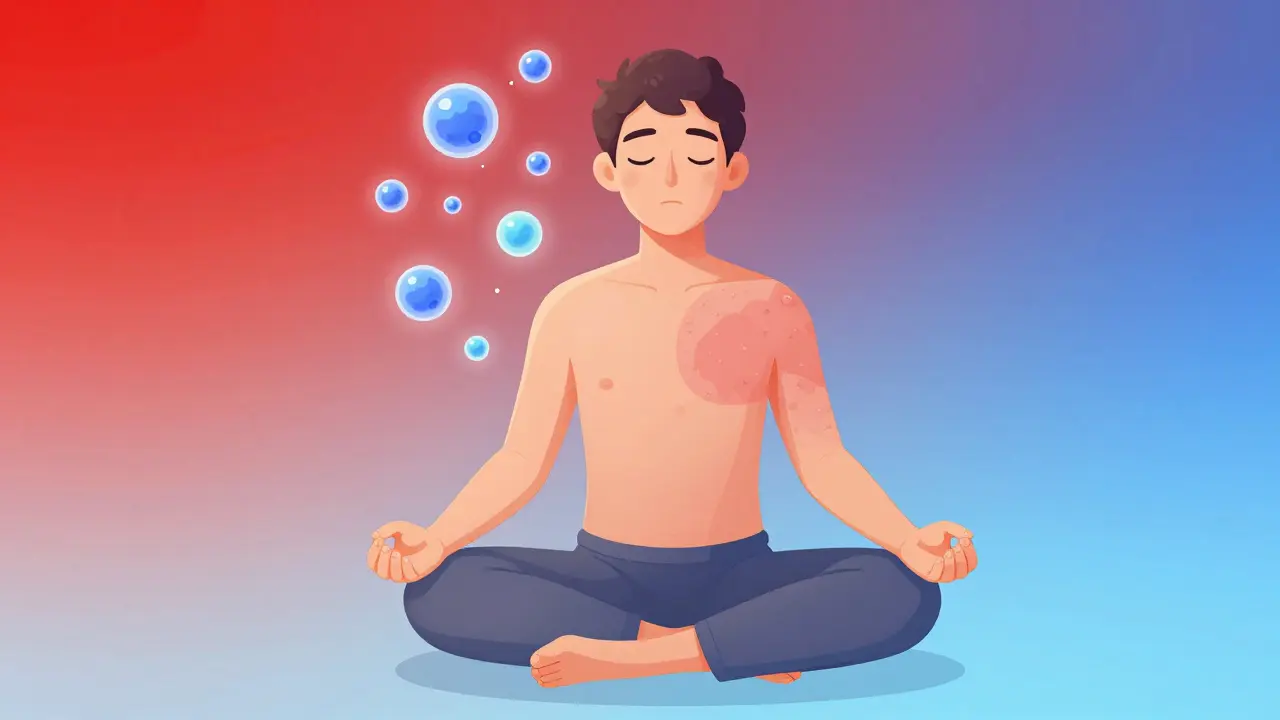
Psoriasis affects 2-3% of people globally, but many don't realize how everyday factors like stress or minor skin injuries can trigger painful flare-ups. Understanding these triggers isn't just about avoiding discomfort-it's about taking control of your health. This article breaks down the real science behind common psoriasis triggers and gives you practical steps to manage them.
Stress: The Hidden Trigger
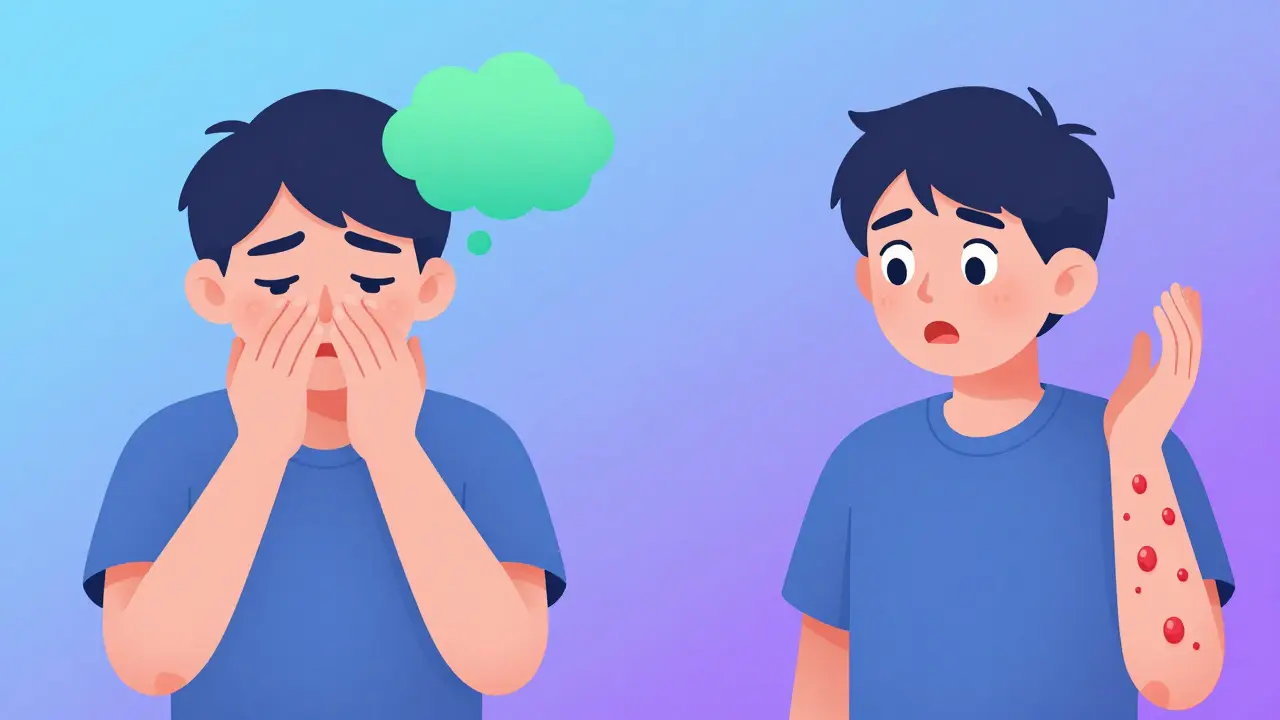
Stress is more than just a mental burden for psoriasis patients. When stressed, your body releases cortisol and inflammatory chemicals that activate immune cells called T-cells. These cells then speed up skin cell production, causing thick, inflamed patches. Research shows stress can trigger psoriasis within a year of major life events, like losing a loved one or changing jobs. A Reddit user named PsoriasisWarrior42 shared how their mother's death led to a 30% body coverage flare-up in just three months.
Even positive stressors, like starting a new job, can spark flares. The relationship is bidirectional: psoriasis causes stress, and stress worsens psoriasis. A 2024 study in JAMA Dermatology confirmed stress directly damages the skin's protective barrier, letting moisture escape and allowing irritants to penetrate. Simple stress-reduction techniques work. For example, 20 minutes of daily mindfulness meditation lowers cortisol by 25% within eight weeks. Schweiger Dermatology Group found 67% of patients who practiced mindfulness saw at least 30% fewer flare-ups over six months.
Infections: More Than Just Colds
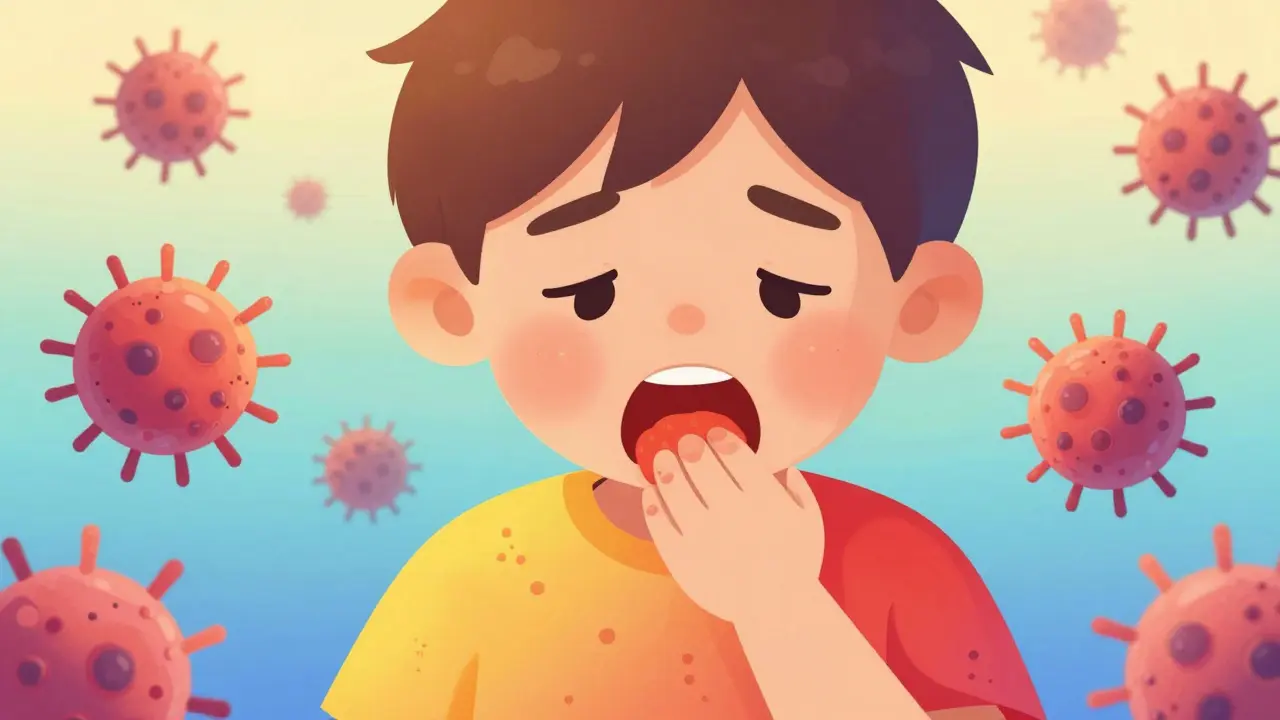
Infections are a major trigger, especially strep throat. When bacteria like Streptococcus invade the throat, they activate a protein called RIG-I in immune cells. This triggers IL-23 production, which fuels psoriasis inflammation. Children and young adults often develop guttate psoriasis-a sudden outbreak of small, scaly spots-after strep infections. Cold, flu, and even COVID-19 can also spark flare-ups, as documented by Schweiger Dermatology Group in 2023.
Surprisingly, HIV doesn't always improve psoriasis despite weakening the immune system. Mount Sinai Health Library notes HIV can sometimes worsen psoriasis due to complex immune interactions. The good news? Vaccinations help. Seasonal flu shots reduce infection-triggered flares by 35% according to 2022 patient data. Simple hygiene habits like regular handwashing and avoiding sick people also cut infection risks. For throat infections, prompt antibiotic treatment stops the cycle before psoriasis flares.
Skin Barrier Care: The First Line of Defense
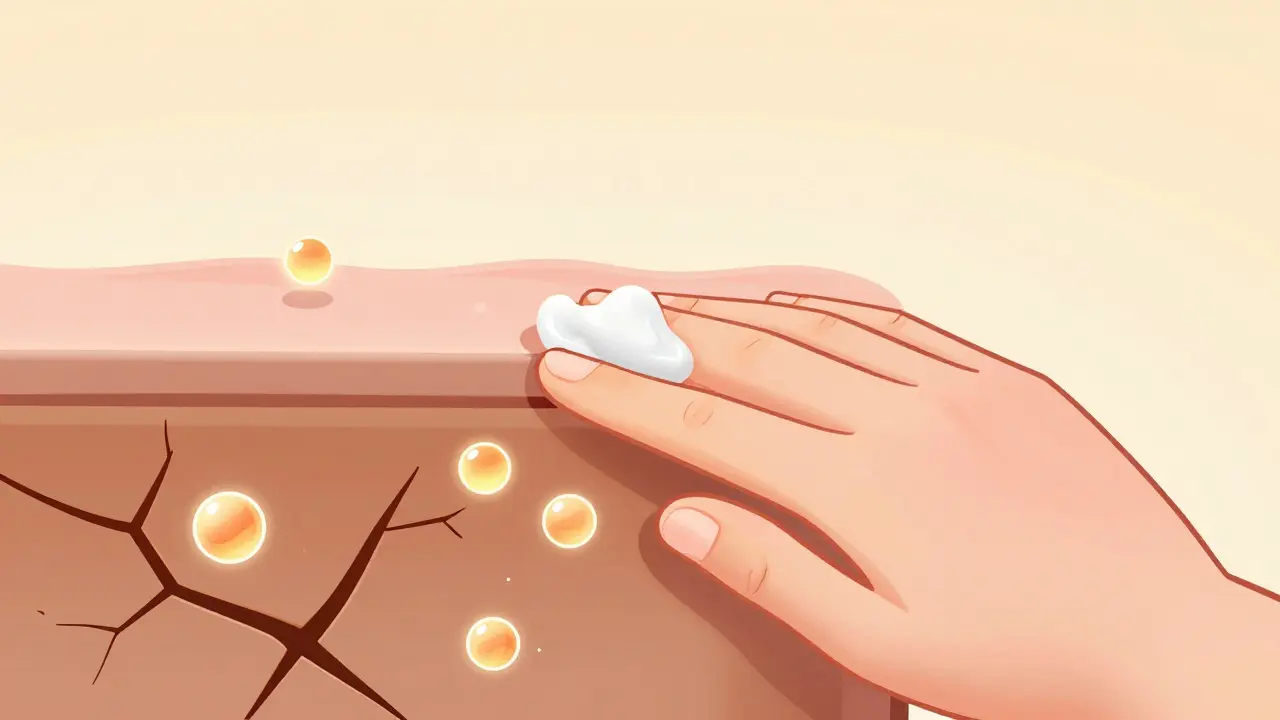
Skin Barrier damage is a silent trigger. When the skin's natural protective layer breaks down-due to harsh soaps, dry air, or injuries-bacteria invade and trigger inflammation. A 2024 PMC review explains this creates a vicious cycle: barrier damage → microbiota imbalance → worsening psoriasis. Even minor cuts or bug bites can cause new lesions through the Koebner phenomenon, where trauma triggers psoriasis at the injury site. Sanford Dermatology tracked 45% of new plaques starting at unnoticed insect bite spots.
Protecting your skin barrier is simple. Use fragrance-free moisturizers with ceramides twice daily. These rebuild the skin's natural defenses. Keep indoor humidity between 40-60% using a humidifier in dry climates. Avoid hot showers and harsh soaps with pH above 5.5-they strip natural oils. For sun exposure, 72% of patients find relief in warm, humid weather, but 8% experience photosensitive psoriasis that worsens with sun. Always check with a dermatologist before sunbathing.
Putting It All Together: Real-World Strategies
Psoriasis triggers vary by person, but evidence-based strategies work for most. Here's how to tackle them daily:
- For stress: Try 10 minutes of deep breathing before bed. Exercise for 30 minutes three times weekly-walking or yoga lowers stress hormones effectively.
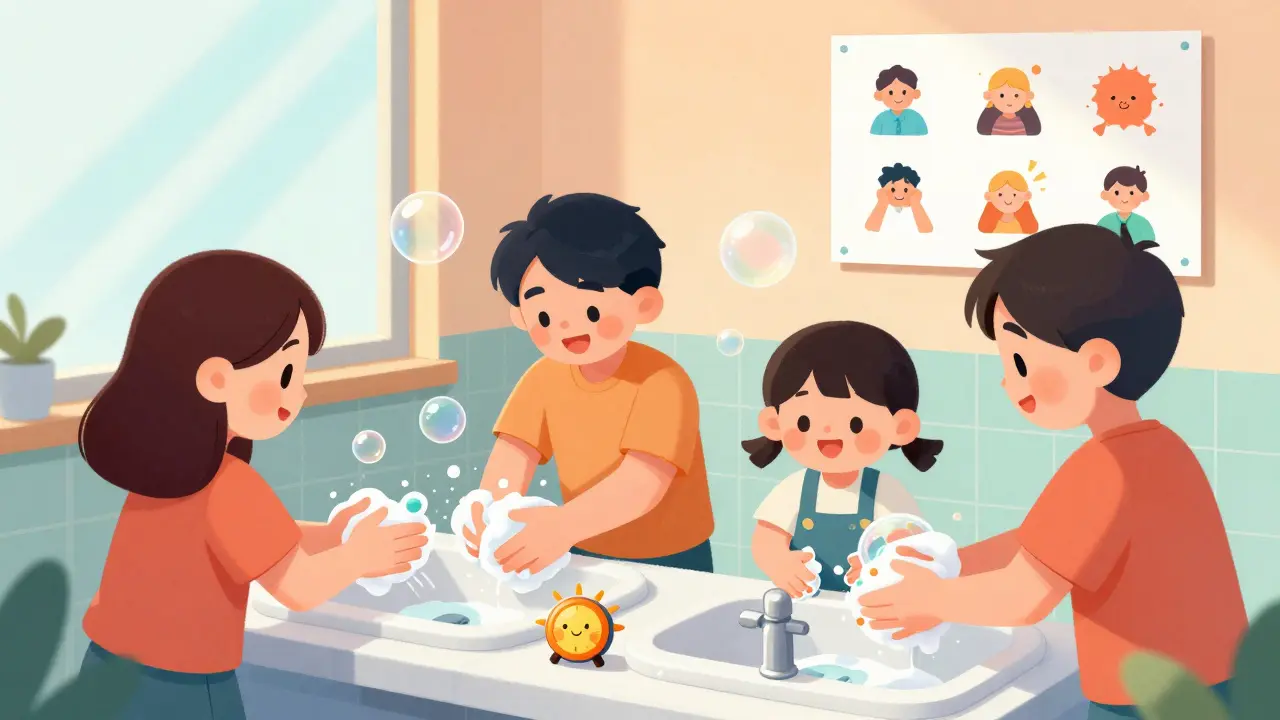
- For infections: Get annual flu shots. Wash hands for 20 seconds with soap. Treat sore throats immediately; don't wait for symptoms to worsen.
- For skin care: Apply ceramide-based moisturizers right after showering. Wear gloves when handling chemicals or gardening. Use insect repellent outdoors to prevent bites.
A comparison table shows how these triggers interact:
| Trigger | How It Works | Management Strategy |
|---|---|---|
| Stress | Releases cortisol and inflammatory cytokines, disrupting skin barrier | 20 minutes of daily mindfulness meditation reduces cortisol by 25% in 8 weeks |
| Infections | Strep throat triggers guttate psoriasis; viruses activate RIG-I pathway | Seasonal flu shots cut infection-triggered flares by 35% |
| Skin Injury | Koebner phenomenon causes new lesions at injury sites | Use insect repellent, avoid scratching, treat minor cuts immediately |
Frequently Asked Questions
Can stress cause psoriasis or just make it worse?
Stress doesn't cause psoriasis directly-it's an autoimmune condition rooted in genetics. But it absolutely worsens symptoms. Research shows stress activates immune cells that accelerate skin cell growth, triggering flare-ups. For people with a genetic predisposition, major stress events can even be the first sign of psoriasis.
Why do infections like strep throat trigger psoriasis?
Strep bacteria release proteins that confuse the immune system. In genetically susceptible people, this activates a pathway involving RIG-I sensors and IL-23 cytokines. These molecules ramp up inflammation and skin cell production, causing sudden outbreaks like guttate psoriasis. Children are especially vulnerable to this after tonsillitis or strep throat.
What's the best moisturizer for psoriasis skin barrier repair?
Look for ceramide-based moisturizers without fragrances or alcohol. Ceramides rebuild the skin's natural lipid barrier. Brands like CeraVe and Eucerin have specific psoriasis formulas. Apply immediately after bathing while skin is damp to lock in moisture. For severe dryness, ointments like petroleum jelly work better than lotions.
Does weather affect psoriasis triggers?
Yes. Cold, dry air dries out skin and worsens 68% of cases. Humid, warm weather helps 72% of patients. But 8% experience photosensitive psoriasis that flares in sunlight. In Brisbane's climate, using a humidifier in winter and sunscreen year-round is key. Avoid sudden temperature shifts-dressing in layers helps regulate skin temperature.
Can diet really influence psoriasis triggers?
While not a primary trigger like stress or infections, diet plays a role. A 2022 National Psoriasis Foundation survey found 32% of patients link dairy to flare-ups, 25% to gluten, and 18% to nightshades. Cutting processed sugars and saturated fats reduces inflammation. Adding omega-3s (like salmon or flaxseeds) may help. Always consult a dermatologist before major dietary changes.

Niel Amstrong Stein
February 7, 2026 AT 16:20Stress is a major trigger for me 😌
Even small daily stressors can cause a flare-up.
I've found that mindfulness meditation for 20 minutes a day really helps reduce cortisol levels.
It's been a game-changer for my skin 🌟
Mary Carroll Allen
February 9, 2026 AT 01:00Stress is such a huge deal! I had a major flareup after my wedding and didnt realize it was stress related 😭 Its crazy how life events can trigger this
Ariel Edmisten
February 10, 2026 AT 08:49Exercise helps reduce stress. Just 30 mins walk three times a week. Works for me.
Lakisha Sarbah
February 11, 2026 AT 09:27Yeah weddings can be stressful I had a similar thing after my divorce. Using ceramide moisturizers helped my skin heal
Paula Sa
February 12, 2026 AT 04:02Stress and psoriasis are so interconnected. It's a cycle that's hard to break. Mindfulness is key but it takes time to see results.
Amit Jain
February 12, 2026 AT 12:46Actually walking isn't enough you need intense workouts to lower stress hormones. My dermatologist said so
Joey Gianvincenzi
February 14, 2026 AT 05:22Psoriasis is primarily genetic. Environmental factors play a secondary role. The evidence for stress as a major trigger is overstated.
Heather Burrows
February 16, 2026 AT 00:56Genetics are the main factor. Environmental triggers are secondary. This is clear from current research.
Ashley Hutchins
February 16, 2026 AT 01:11Genetics only set the stage but stress triggers the flareups. You need to take responsibility for your stress. Stop being lazy
Ritu Singh
February 16, 2026 AT 06:36Genetics and environmental triggers interact. Current dermatological guidelines support the strategies mentioned.
Sarah B
February 16, 2026 AT 17:30Stress causes flareups
Eric Knobelspiesse
February 16, 2026 AT 21:19Actually it's not that simple there are many factors. You're oversimplifying
Tola Adedipe
February 17, 2026 AT 03:22I agree with the complexity but also think stress is a major factor. Let's not dismiss the science