
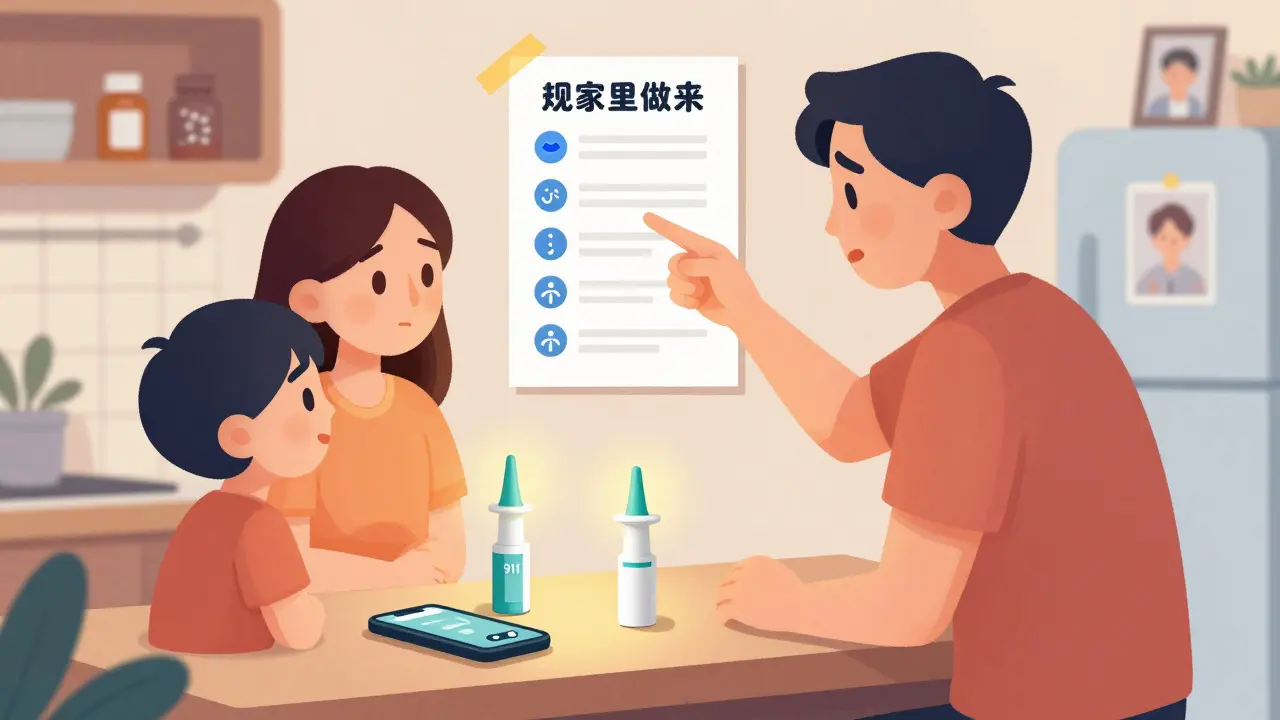
Why a Naloxone Readiness Plan Isn’t Optional Anymore
If someone you care about is taking opioids - whether for chronic pain, cancer, or after surgery - they’re at risk of overdose. And that risk doesn’t go away just because they’re following their prescription. In fact, 86.7% of opioid-related deaths happen in people who weren’t even prescribed opioids at the time. That means even if your loved one is careful, they could still be exposed to dangerous drugs like fentanyl through contaminated pills or street drugs. Naloxone isn’t a cure for addiction. It’s a safety net. And if you’re not prepared, you’re gambling with someone’s life.
What Naloxone Actually Does (And Doesn’t Do)
Naloxone is a simple, safe, and fast-acting drug that reverses opioid overdoses. It works by kicking opioids off the brain’s receptors - the same ones that slow breathing to a stop during an overdose. Within 2 to 5 minutes, normal breathing usually returns. It doesn’t get you high. It doesn’t work on alcohol, benzodiazepines, or cocaine. And if you give it to someone who hasn’t taken opioids? Nothing happens. No harm. No side effects.
But here’s the catch: naloxone wears off in 30 to 90 minutes. Many opioids, especially fentanyl, last much longer. That means the person can slip back into overdose after naloxone wears off. That’s why calling 911 isn’t optional - it’s mandatory. Even if they wake up, they still need emergency care.
The Three Essentials of a Naloxone Readiness Plan
Having naloxone on hand isn’t enough. You need a plan. And it needs to be simple enough to follow when panic sets in. Here’s what every plan must include:
- Have two doses ready - Always keep at least two naloxone kits accessible. One might not be enough, especially with today’s potent fentanyl-laced drugs. Some overdoses require three or even four doses.
- Know where to find it - Don’t store it in a locked cabinet or the back of a drawer. Keep it in a visible, easy-to-reach spot - like a kitchen counter, bedside table, or car glove box. Time matters. If it takes more than 30 seconds to grab it, you’re too late.
- Teach at least two people - Your partner, a friend, a neighbor, a coworker. Anyone who might be around when an overdose happens. Practice with a training kit. Watch a 5-minute video. Do it now. Don’t wait for an emergency to figure it out.
How to Use Naloxone - Step by Step
There are two main types: nasal spray and injection. The nasal spray (like NARCAN®) is the easiest for most people.
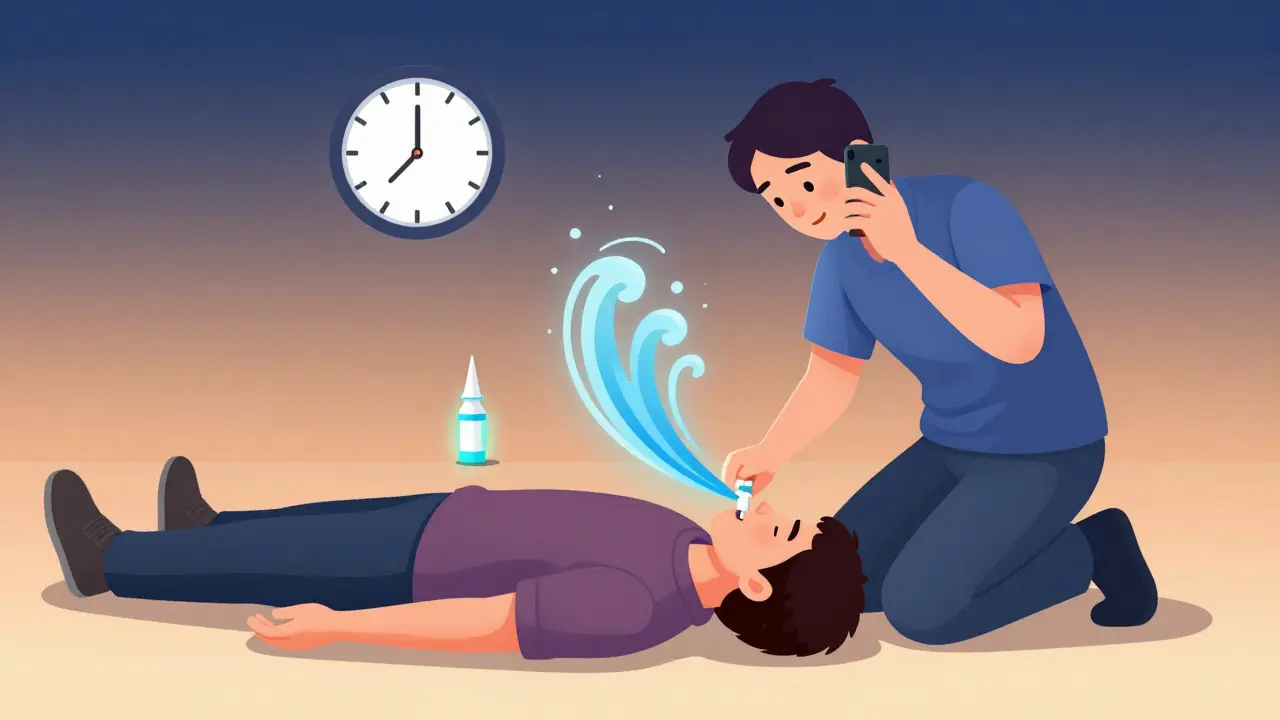
- Check for signs of overdose: Unresponsive to shaking or shouting, slow or no breathing, blue lips or fingernails, pinpoint pupils.
- Call 911 immediately. Don’t wait. Don’t assume they’ll wake up. Say: “Someone is not breathing from a possible opioid overdose.”
- Administer naloxone: For nasal spray, insert the nozzle into one nostril and press the plunger firmly. No need to tilt the head. One spray is one dose.
- Give rescue breathing: Tilt the head back, lift the chin, pinch the nose, and give one breath every 5 seconds. Don’t stop until they breathe on their own or help arrives.
- Wait and watch: If they don’t wake up in 3 minutes, give a second dose in the other nostril. Keep giving breaths. Stay with them until EMS arrives.
- Stay for at least 2 hours: Even if they seem fine, the risk of another overdose is real. Don’t let them go to sleep or leave alone.
Where to Get Naloxone - And How Much It Costs
Since March 2023, naloxone nasal spray (NARCAN®) has been available over-the-counter at pharmacies across the U.S. - no prescription needed. You can buy it at CVS, Walgreens, Rite Aid, Walmart, and many independent pharmacies.
Here’s what you’ll pay as of late 2025:
- NARCAN® nasal spray (4mg x 2): $130-$150 without insurance
- Generic nasal spray (same dose): $70-$90 (ask your pharmacist)
- Free kits: Many community health centers, harm reduction programs, and local health departments give them away for free. Check your state’s health website.
Cost is still a barrier. Nearly 42% of uninsured people say they can’t afford it. But if you’re on Medicaid or Medicare, most plans cover it with little or no copay. And in 47 states, pharmacists can hand out naloxone under a standing order - meaning they’re legally allowed to give it without a doctor’s signature.
Who Should Have Naloxone? (It’s Not Just for “Addicts”)
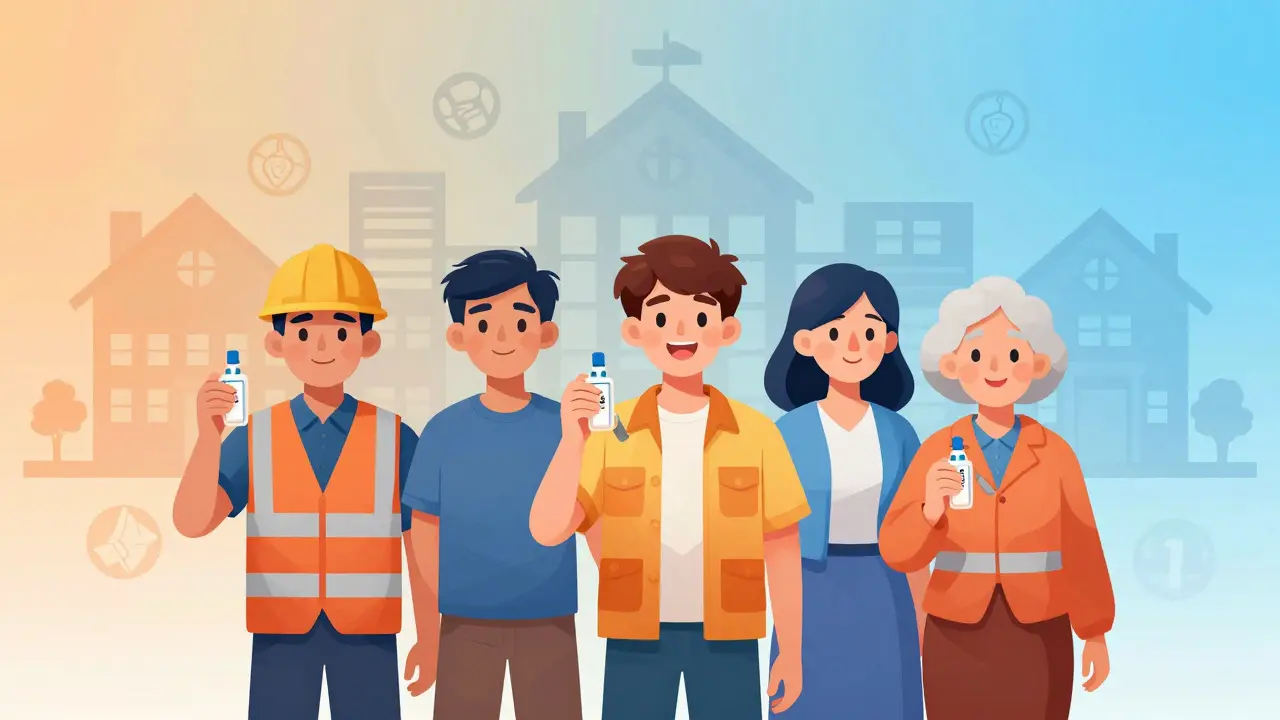
There’s a dangerous myth that naloxone is only for people with addiction. That’s wrong. Here’s who needs it:
- Anyone prescribed opioids for more than 3 days
- People taking more than 50 morphine milligram equivalents (MME) per day
- Those using opioids with benzodiazepines (like Xanax or Valium)
- People who’ve had a previous overdose
- Anyone living with someone who uses opioids - even recreationally
- Workers in high-risk environments (construction, warehouses, night shifts)
The CDC says most overdose deaths happen to people who aren’t even prescribed opioids. That means if you’re buying pills off the street, or taking a friend’s leftover painkillers, you’re at risk. And if you’re the one who finds them unconscious? You’re the one who might save them.
What to Do When Naloxone Doesn’t Work
It’s rare, but sometimes naloxone doesn’t bring someone back. Why?
- Too much fentanyl: Some fentanyl analogs - like carfentanil - are so strong they need 10mg or more of naloxone. That’s why two doses are the minimum.
- Delayed response: If you wait more than 5 minutes to give naloxone, brain damage can already be happening.
- No rescue breathing: Naloxone reverses the opioid, but it doesn’t restart breathing. You have to do that manually.
- Other drugs involved: Mixing opioids with alcohol, benzodiazepines, or stimulants can cause complications naloxone can’t fix.
If naloxone doesn’t work, keep doing rescue breathing. Keep calling for help. Don’t give up. Emergency responders are trained for this. They’ll bring more naloxone, oxygen, and advanced care.
Workplaces, Schools, and Public Spaces Need Naloxone Too
Overdose deaths at work have jumped 619% since 2011. That’s not just a health issue - it’s a workplace safety issue. OSHA now recommends naloxone be available in any workplace with more than 15 employees. Schools, libraries, gyms, and churches are starting to keep kits too.
Why? Because overdoses happen anywhere. A construction worker taking painkillers. A student using a friend’s Adderall. A retiree with chronic back pain. You don’t know who’s at risk - but you can be ready.
The Real Barrier: Stigma
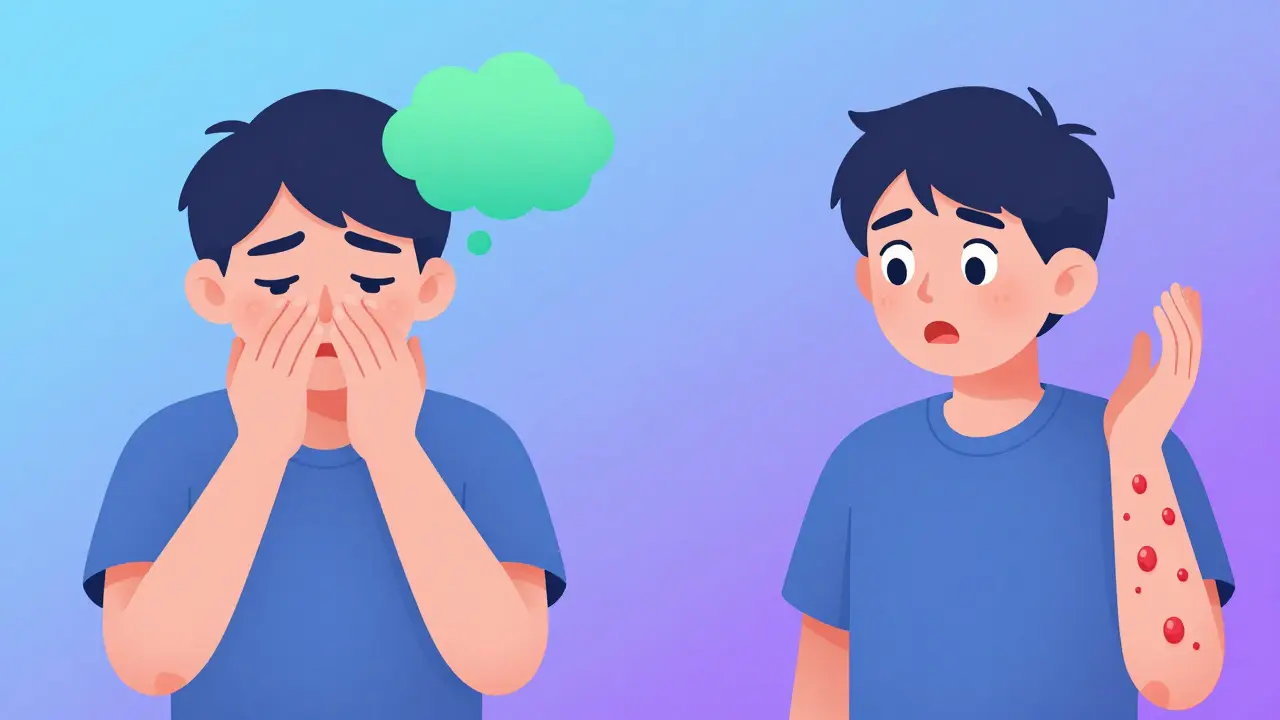
Here’s the hardest truth: most people don’t have naloxone because they’re afraid to talk about it. They think it means admitting someone is “an addict.” But naloxone isn’t about judgment. It’s about survival.
Only 32.4% of doctors routinely offer naloxone to patients on opioids. Why? Because they’re afraid of offending them. But patients say they’d rather be offered it than lose someone they love. A 2023 study found that when doctors just said, “Here’s how to save a life if something goes wrong,” 89% of patients accepted it.
Stigma kills. Talking about naloxone saves lives.
What Happens After You Use Naloxone
After you give naloxone and EMS arrives, the person will likely be taken to the hospital. That’s not a punishment - it’s a lifeline. Many people who survive an overdose never get help for their addiction. But hospitals can connect them to treatment, counseling, or medication-assisted therapy like buprenorphine.
And here’s something many don’t realize: after an overdose, the body’s tolerance drops. If they use opioids again even a few days later, they could overdose on the same dose they used before. That’s why follow-up care is critical.
Final Check: Is Your Naloxone Plan Ready?
Ask yourself these questions:
- Do I have two naloxone kits in a place I can grab in under 30 seconds?
- Have I shown someone else how to use them?
- Do I know the signs of an overdose?
- Do I know to call 911 first - before giving naloxone?
- Do I know to keep giving breaths if they’re not breathing?
- Do I know that naloxone is not a cure - but it’s the best chance to survive?
If you answered yes to all of those, you’re ready. If not - start today. One conversation, one kit, one minute of practice could be the difference between life and death.
Can naloxone hurt someone if they haven’t taken opioids?
No. Naloxone only works on opioid receptors. If someone hasn’t taken opioids, it has no effect. It won’t cause harm, addiction, or side effects. Giving naloxone to someone who didn’t overdose is completely safe.
How long does naloxone last, and do I need more than one dose?
Naloxone lasts 30 to 90 minutes, but many opioids - especially fentanyl - last much longer. That means the person can overdose again after naloxone wears off. Always have at least two doses ready. Give a second dose if they don’t wake up after 3 minutes. Some overdoses need three or four doses.
Can I buy naloxone without a prescription?
Yes. Since September 2023, NARCAN® nasal spray has been available over-the-counter at pharmacies like CVS, Walgreens, and Walmart. No prescription is needed. Many states also have standing orders allowing pharmacists to give it for free or at low cost.
What if I’m not sure if it’s an opioid overdose?
If someone is unresponsive and not breathing normally, give naloxone anyway. It’s safe. The signs are: no response to shaking or shouting, slow or shallow breathing, blue lips or skin, pinpoint pupils. If you’re unsure, assume it’s an overdose. Naloxone won’t hurt them - not giving it might kill them.
Is naloxone effective against fentanyl?
Yes - but it often takes more than one dose. Fentanyl and its analogs are 50 to 100 times stronger than morphine. A single 4mg nasal spray may not be enough. Always have two doses ready. If the person doesn’t respond after 3 minutes, give the second dose immediately.
Next Steps: What to Do Right Now
Don’t wait for a crisis. Here’s what to do today:
- Go to your local pharmacy and ask for NARCAN® nasal spray. Buy two kits.
- Put one in your home, one in your car or bag.
- Watch a 5-minute video on YouTube titled “How to Use Naloxone Nasal Spray” - then show someone else.
- Call your doctor and ask: “Should I have naloxone on hand?”
- If you’re a parent, teacher, or employer - talk to others about keeping it available.
Life doesn’t wait for perfect timing. Neither should you.
Siobhan K.
December 21, 2025 AT 12:36Brian Furnell
December 23, 2025 AT 11:56Orlando Marquez Jr
December 24, 2025 AT 10:43Jackie Be
December 26, 2025 AT 00:31Christina Weber
December 27, 2025 AT 12:24Cara C
December 29, 2025 AT 08:54Jerry Peterson
December 30, 2025 AT 10:39Sarah Williams
December 31, 2025 AT 21:09Erika Putri Aldana
January 1, 2026 AT 23:59Grace Rehman
January 2, 2026 AT 09:16Cameron Hoover
January 4, 2026 AT 05:16Teya Derksen Friesen
January 5, 2026 AT 11:41Michael Ochieng
January 6, 2026 AT 17:04Adrian Thompson
January 7, 2026 AT 22:17Swapneel Mehta
January 8, 2026 AT 18:16