Generic Drug Safety: What You Need to Know Before Taking Cheap Medications
When you buy a generic drug, a medication with the same active ingredient as a brand-name drug but usually at a lower cost. Also known as generic medications, it is meant to work the same way, but not all are created equal. Many people choose generics to save money—sometimes hundreds of dollars a month. But if you don’t know how to check if it’s real, safe, and properly made, you could be risking more than your wallet.
One of the biggest risks isn’t the drug itself—it’s where it comes from. A counterfeit drug, a fake medication that may contain no active ingredient, wrong dose, or harmful chemicals can look identical to the real thing. We’ve seen cases where people bought cheap generic drug pills online, only to find out later the pills had no active ingredient at all—or worse, they contained rat poison or industrial chemicals. That’s why verifying your pharmacy matters. Look for licensed pharmacies, check for physical addresses, and avoid sites that don’t require a prescription. The same goes for prescriber details on your label—something we cover in detail in our posts on pharmacy verification, the process of confirming the legitimacy of your prescriber and dispensing pharmacy.
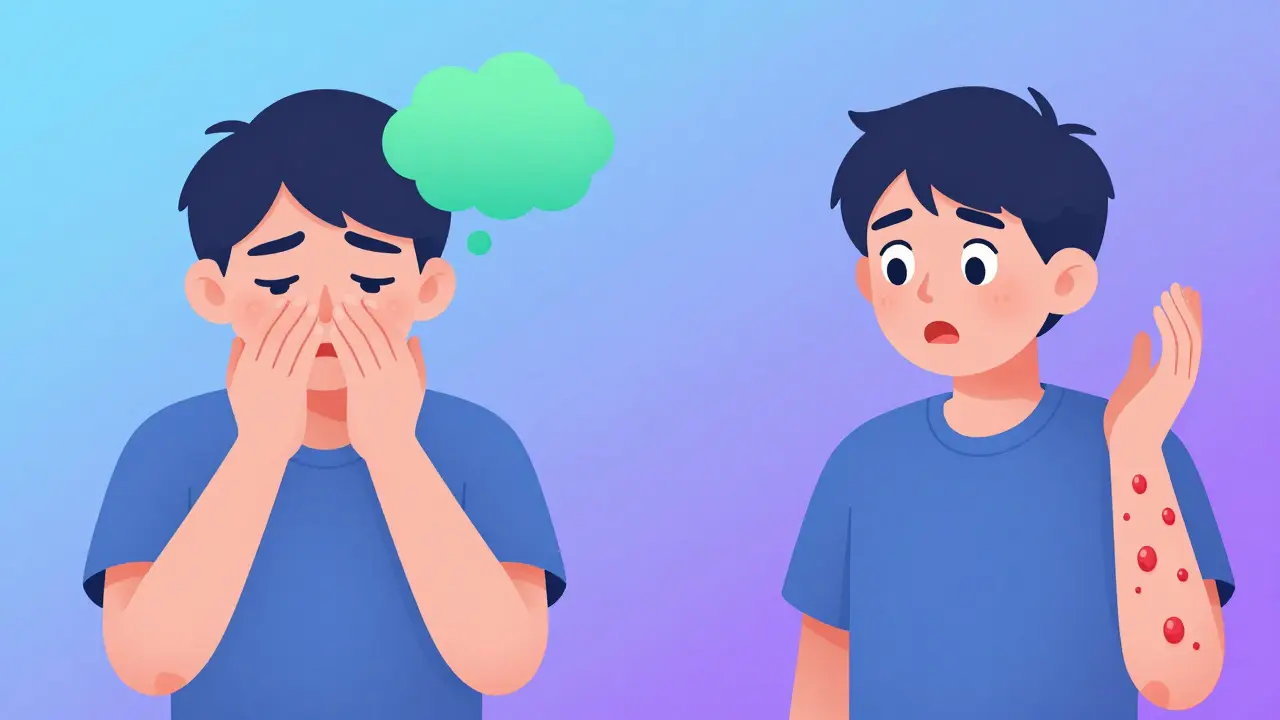
Even when the drug is real, side effects can vary. Generic drugs must meet FDA standards, but fillers and binders can differ between manufacturers. That’s why some people report different reactions to the same generic from different batches or brands. If you switch generics and feel off—dizzy, nauseous, or more tired than usual—it’s not just in your head. Talk to your pharmacist. Ask if the formula changed. And always read the medication guide, the official document that comes with your prescription listing risks, overdose signs, and antidotes. It’s not optional reading—it’s your safety net.
Some of the most common generics—like azithromycin, rosuvastatin, or minoxidil—are widely used and generally safe when bought right. But if you’re buying them online for half the price, you’re playing Russian roulette with your health. Our collection includes real guides on how to spot safe sources, what to check on your label, how to compare side effects, and how to know when a deal is too good to be true. You’ll find advice from people who’ve been burned, pharmacists who’ve seen the worst, and doctors who know what to watch for. This isn’t theory. It’s what you need to stay safe, whether you’re managing cholesterol, treating an ear infection, or fighting hair loss.