FDA Sentinel Initiative: How the U.S. Tracks Drug Safety in Real Time
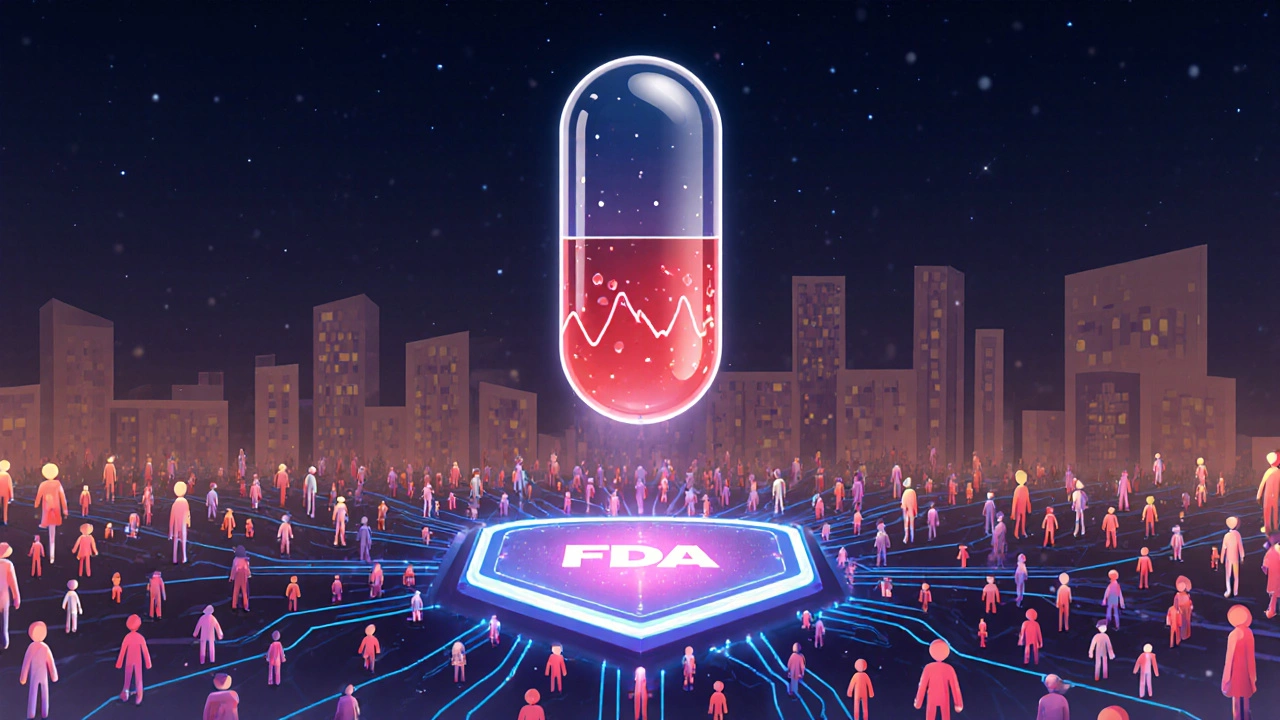
When a new drug gets approved, the job isn’t done. That’s where the FDA Sentinel Initiative, a nationwide system that monitors the safety of FDA-approved medications using real-world health data. It’s not just a database—it’s an early warning system that watches millions of patients to catch side effects no clinical trial ever saw. Before Sentinel, drug safety relied on doctors reporting rare problems after they happened. Now, the FDA pulls data from health plans, hospitals, and clinics across the country to spot patterns—like a sudden spike in liver damage from a new statin or heart rhythm issues tied to a popular antibiotic.
The system doesn’t just track side effects. It compares how patients on different drugs fare over time. For example, if people taking Drug A have more strokes than those on Drug B, Sentinel flags it—even if the difference is small. It also checks for risks in groups often left out of trials: older adults, pregnant women, kids. That’s why you’ll find posts here about rivaroxaban in children, a blood thinner now used safely in kids thanks to data from systems like Sentinel, or why off-label drug use, when doctors prescribe medicines for unapproved conditions gets extra scrutiny. Sentinel doesn’t ban drugs—it gives doctors and patients better info to weigh risks.
It’s not perfect. Data gaps exist, especially in rural areas. But it’s the most powerful tool the U.S. has to catch dangers before they become epidemics. That’s why posts on medication label verification, how to check your prescription details to avoid mix-ups, or overdose warnings in medication guides, what to look for when you open a drug package matter. They’re the first line of defense. Sentinel is the second. Together, they help you stay safe. Below, you’ll find real stories and guides on how drugs affect people—what works, what doesn’t, and what to watch for after you start taking them.