Drug Safety: What You Need to Know About Medication Risks and Protection
When you take a pill, you trust it will help—not hurt. But drug safety, the system of monitoring, reporting, and managing risks from medications. Also known as medication safety, it’s what stands between a cure and a crisis. It’s not just about reading labels. It’s about understanding how drugs behave in real people, not just clinical trials. The FDA doesn’t just approve drugs and walk away. They use tools like the FDA Adverse Event Reporting System, a real-time database where doctors, patients, and pharmacies report unexpected side effects. That’s how they catch problems like heart rhythm issues from antibiotics or psychosis from steroids—problems that only show up after thousands of people start using the drug.
Drug safety also means knowing when a generic version might not work the same for you. Some people switch from brand to generic without issues. Others get unexpected side effects or feel worse. That’s why post-market surveillance, ongoing monitoring of drugs after they’re on the market. exists. It’s how the FDA found that certain generic versions of seizure meds needed tighter controls, or why some blood thinners in kids required new dosing rules. These aren’t theoretical risks. They show up in real lives—like a breastfeeding mom whose baby got overly sleepy from an allergy med, or an elderly person whose back pain got worse because of a drug interaction they never knew about.
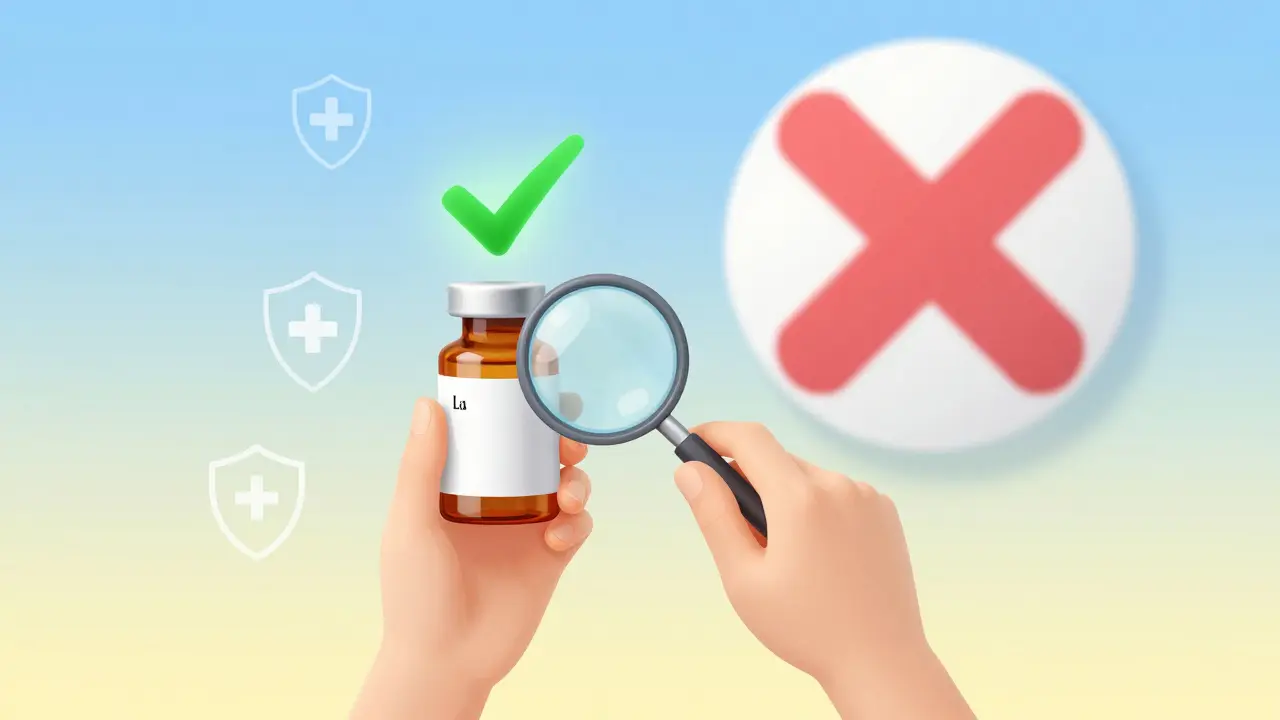
And it’s not just about the drug itself. It’s about how it’s prescribed, labeled, and tracked. A misprinted pharmacy label, an unverified prescriber, or an off-label use without proper monitoring can turn a safe drug into a danger. That’s why checking your medication label isn’t just smart—it’s essential. It’s why doctors use databases like LactMed to tell if a drug passes into breast milk. It’s why parents of kids on blood thinners need to know exactly what to watch for. Drug safety isn’t a one-time checklist. It’s a habit. It’s asking questions. It’s knowing when to push back. And it’s trusting systems that are designed to protect you—even when they’re not perfect.
Below, you’ll find real stories and facts from people who’ve dealt with drug-induced psychosis, heart arrhythmias, birth defects from medications, and the hidden risks of common over-the-counter pills. These aren’t warnings from a textbook. They’re lessons from real patients, caregivers, and doctors. You’ll learn how to spot danger before it hits, how to talk to your pharmacist about safety, and how to use the tools already built into the system to keep yourself and your family protected.