Key Safety Takeaways
- Never drink on an empty stomach; always pair alcohol with 15-30g of carbohydrates.
- Monitor your levels: Check blood glucose before drinking, every two hours during, and before bed.
- Choose low-carb options: Stick to dry wines, light beers, or spirits with zero-calorie mixers.
- Watch the clock: Hypoglycemia risk can persist for up to 12 hours after your last drink.
- Safety first: Always carry 15g of fast-acting glucose and wear medical alert jewelry.
Why Alcohol is a Triple Threat to Your Blood Sugar
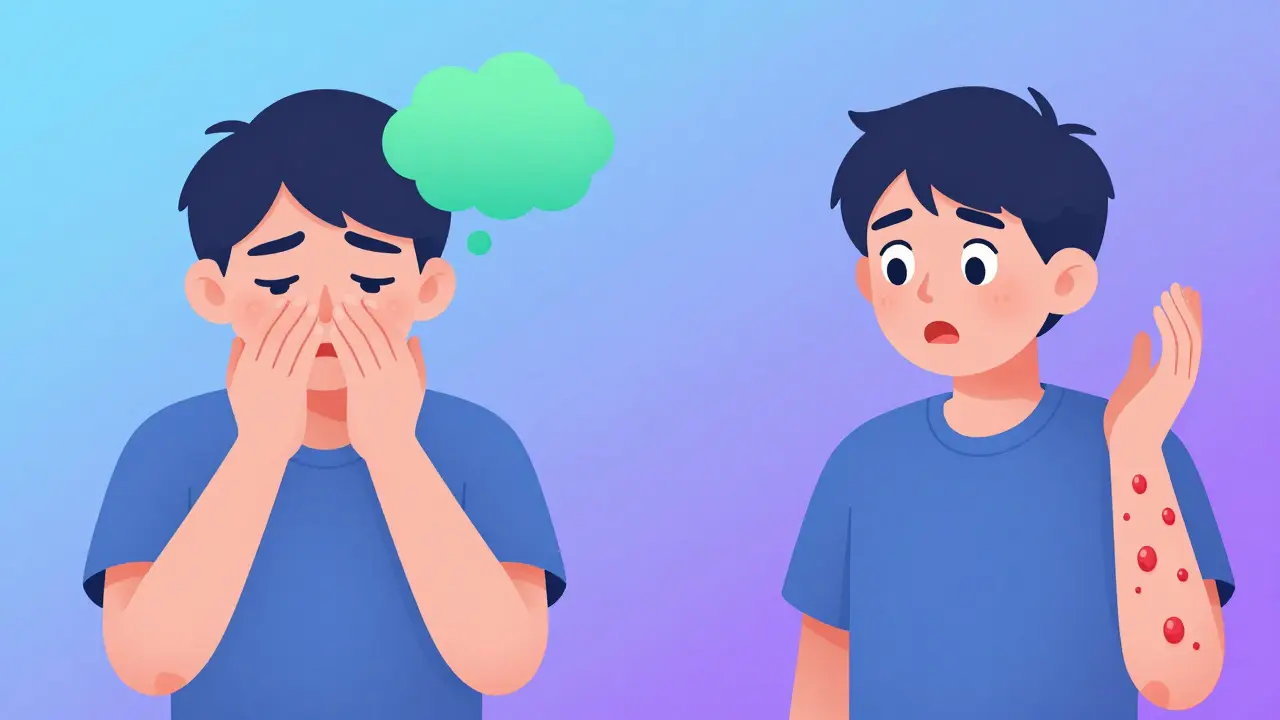
To understand the risk, you first have to understand what's happening inside your body. Hypoglycemia is a condition where blood glucose levels drop below the healthy range, often causing shakiness, confusion, and fainting. Alcohol makes this much more likely because of how your liver works.
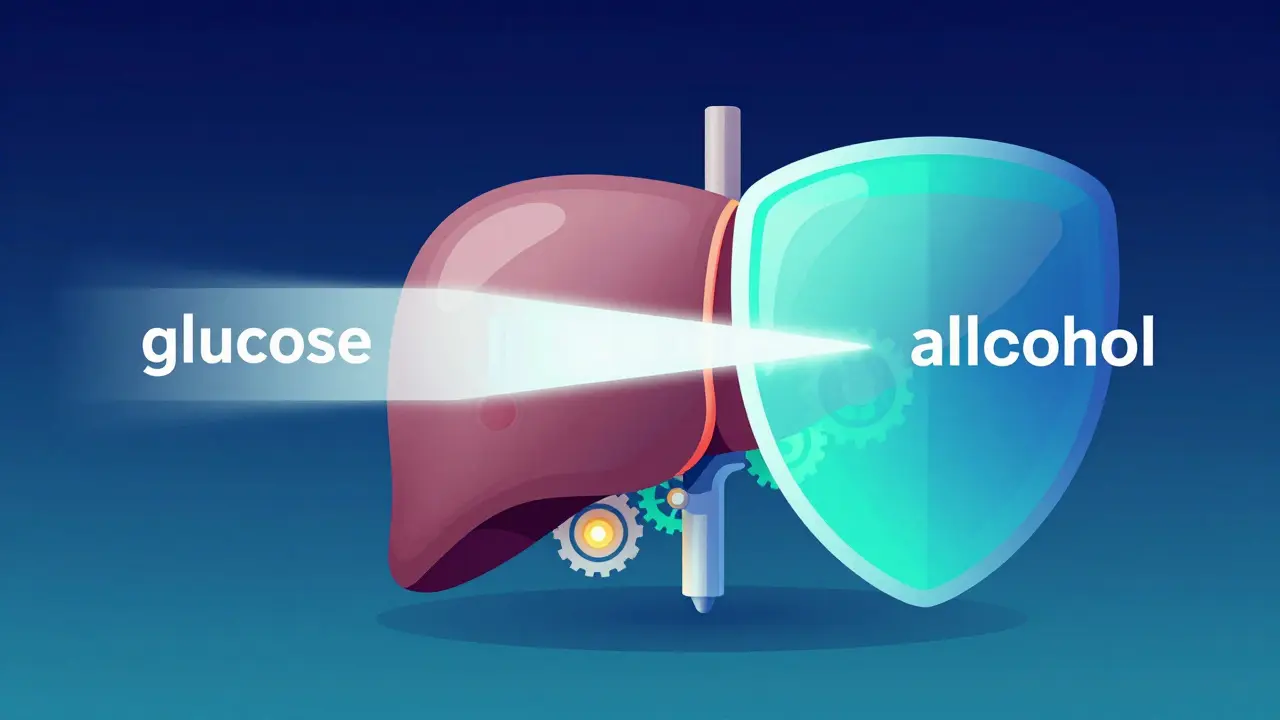
Normally, your liver acts as a backup generator, releasing glucose into your bloodstream when your levels get low. However, your liver views alcohol as a toxin that needs to be cleared immediately. While your liver is busy processing the alcohol, it essentially "shuts down" glucose production. This creates a dangerous gap: if you're taking insulin or certain medications, your blood sugar can plummet because the liver isn't there to catch it.
Then there's the "rollercoaster effect." Many drinks, like margaritas or craft beers, are loaded with sugars that cause an initial spike in blood glucose. But as the alcohol takes over, that spike is followed by a crash. This dual-phase impact is why some people feel fine while drinking but wake up in the middle of the night with a severe hypoglycemic event.
The Safe Choice: What to Drink and What to Avoid
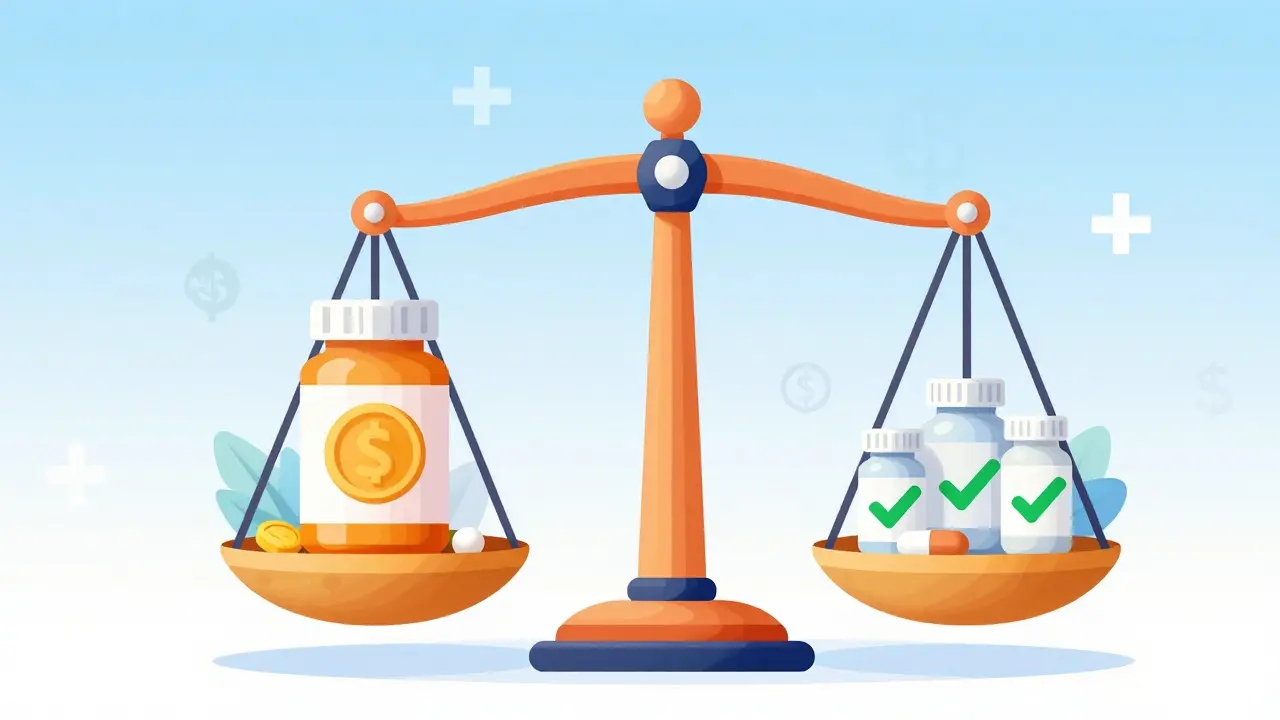
Not all drinks are created equal. The goal is to minimize carbohydrates to avoid the initial spike and keep the alcohol percentage moderate to avoid a deep crash. For instance, Hard Seltzers are carbonated alcoholic beverages typically made from fermented cane sugar or malt, known for being low-calorie and low-carb. These are often praised by the diabetes community for having a predictable impact on glucose.
On the other hand, avoid "diabetic" beers or low-sugar ciders. While they sound helpful, they often have higher alcohol concentrations to compensate for the lack of sugar, which actually increases the risk of a blood sugar crash.
| Beverage Type | Carb Content | Glucose Impact | Risk Level |
|---|---|---|---|
| Dry Red/White Wine | Low (0-4g) | Stable/Slight Drop | Low to Moderate |
| Vodka with Club Soda | Very Low (0g) | Slight Drop | Low |
| Craft Beer/IPA | High | Spike then Crash | High |
| Margaritas/Sweet Cocktails | Very High (up to 25g) | Severe Spike then Crash | Very High |
The Golden Rules for Safe Drinking
If you're going to drink, you need a protocol. This isn't about being restrictive; it's about staying safe. Following a strict sequence can reduce hypoglycemic events by over 80%.
- The Blood Sugar Check: Do not start drinking if your blood sugar is below 100 mg/dL or above 300 mg/dL. The ideal target range before your first sip is between 100-140 mg/dL.
- The "With Food" Rule: Never drink on an empty stomach. Eat a meal containing 15-30g of carbohydrates. This provides a glucose buffer that protects you while your liver is busy with the alcohol.
- The 2-Hour Window: Avoid alcohol within two hours of exercise. Since both exercise and alcohol lower blood sugar, combining them increases your risk of a crash by about 40%.
- The Mixer Strategy: Use zero-calorie mixers. Water, club soda, or diet tonic are your best friends. Replacing a regular tonic with a diet version can save you 20g of carbohydrates per glass.
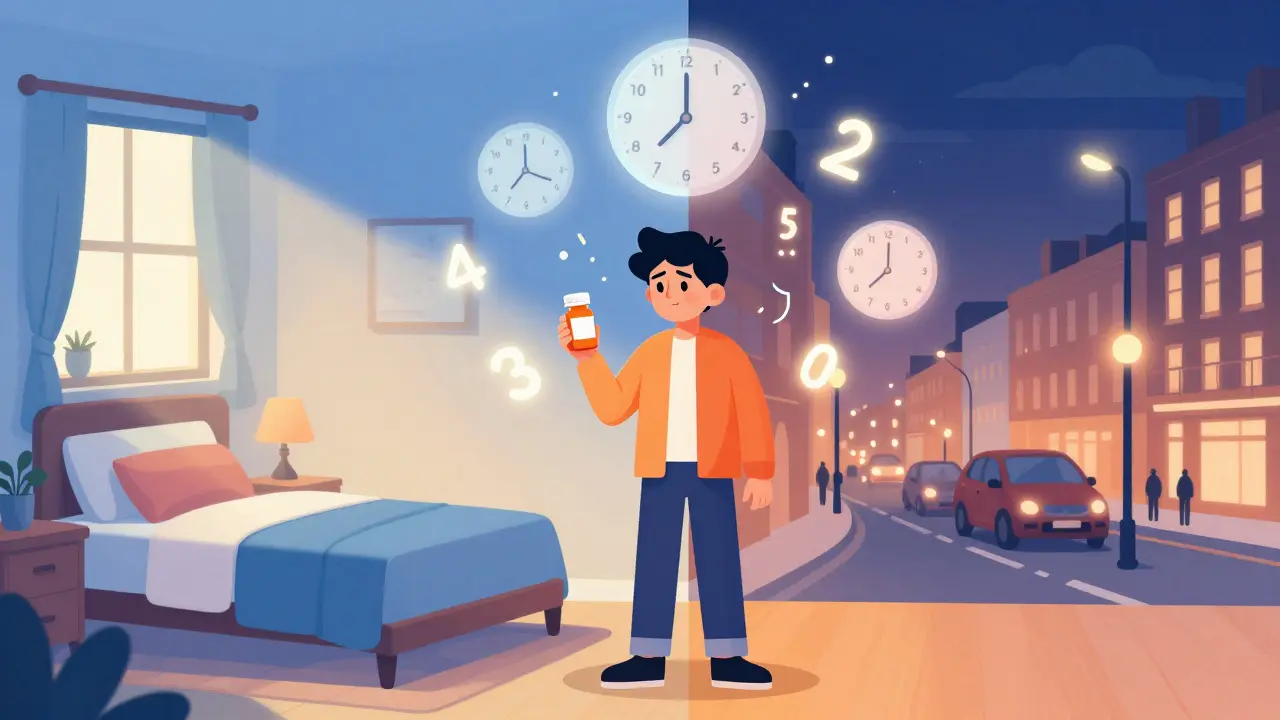
- The Bedtime Check: This is the most critical step. Alcohol inhibits glucose production for up to 12 hours. Check your levels right before bed to ensure you aren't sliding into a nocturnal hypo.
Medication Interactions and Red Flags
Depending on what you're taking, alcohol can be more dangerous. If you use Sulfonylureas, which are a class of medications that stimulate the pancreas to release more insulin, you are at a much higher risk. Combining these with alcohol can increase your hypoglycemia risk by 50%.
For those on Metformin, the risk isn't just about blood sugar. Heavy drinking (more than four drinks in two hours) can increase the risk of lactic acidosis, a rare but serious metabolic complication. Always discuss your specific medication list with your doctor before starting a regular drinking habit.
There are also absolute "no-go" zones. If you have diabetic neuropathy, pancreatitis, or advanced liver disease, alcohol is strictly contraindicated. In these cases, the damage to your nerves or organs is already significant, and alcohol acts as an accelerant to the disease.
The Masking Effect: Why Others Might Not Help
One of the scariest parts of drinking with diabetes is that alcohol mimics the symptoms of low blood sugar. Dizziness, slurred speech, and confusion are common to both intoxication and hypoglycemia risks. If you pass out, your friends might just think you've had too much to drink, while you're actually in a medical emergency.
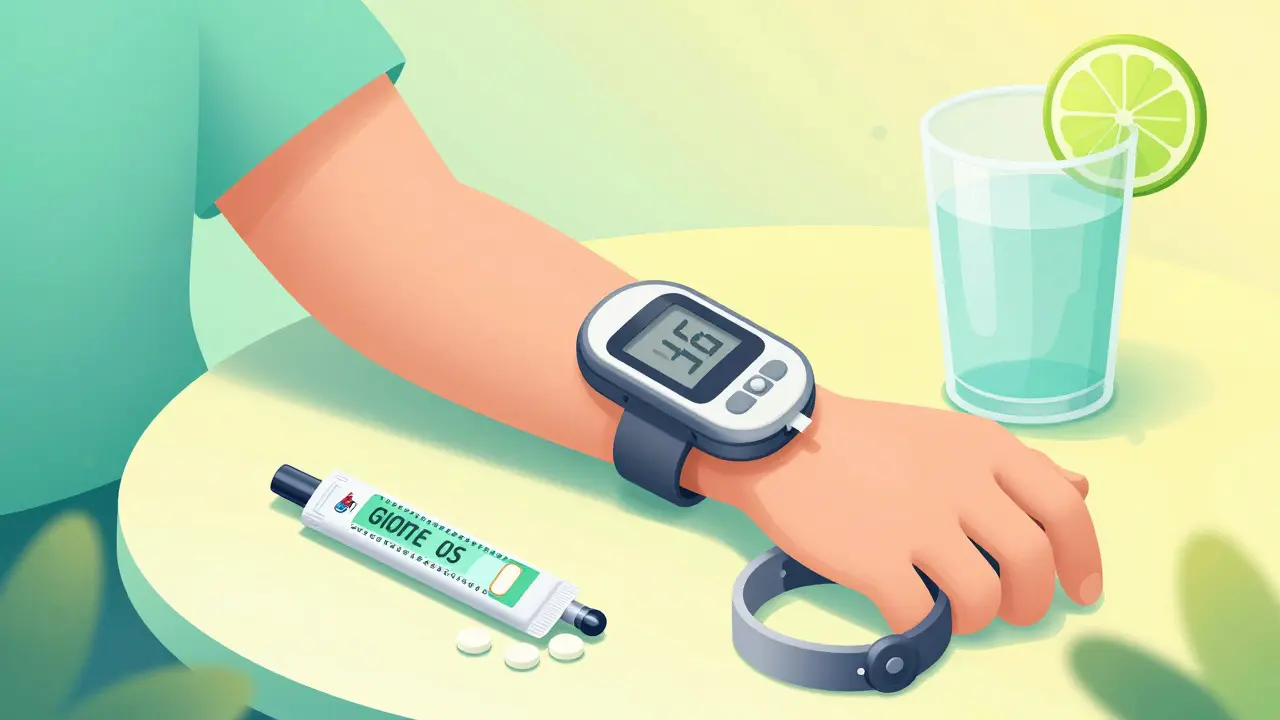
This is why medical alert jewelry is non-negotiable. It tells first responders and friends that your condition is medical, not just a night of partying. Additionally, always have a friend who knows your signs and knows where you keep your fast-acting glucose (like glucose tabs or honey).
Modern Tools for Better Management
Technology is making this easier. Modern Continuous Glucose Monitors (CGM), such as the Dexcom G7, now offer real-time risk scoring. Instead of guessing, you can see the trend arrow. If you see a sharp downward trend while drinking, you know it's time for a carb snack immediately.
The trend is moving away from "one size fits all" numbers toward individualized thresholds. By tracking your data over a few drinks, you can identify your own personal "danger zone" and adjust your food intake accordingly. This data-driven approach is far more effective than following generic guidelines.
Can I drink red wine to help my insulin sensitivity?
Some studies suggest moderate red wine consumption (one glass a day) might improve insulin sensitivity by 12% in people with type 2 diabetes. However, major organizations like the ADA do not recommend starting to drink specifically for health benefits. The risks of hypoglycemia usually outweigh these potential gains for most people.
How long does the risk of low blood sugar last after drinking?
The risk is not over when the drink is gone. Because alcohol inhibits the liver's ability to create glucose (gluconeogenesis), you can experience hypoglycemia for 8 to 12 hours after your last drink. This is why the bedtime blood sugar check is so vital.
What is the safest amount of alcohol to consume per day?
Generally, the limit is one standard drink per day for women and two for men. A standard drink is 12oz of 5% beer, 5oz of 12% wine, or 1.5oz of 40% liquor. Some guidelines suggest a weekly limit of 14 units, provided they are spread over several days with alcohol-free days in between.
What should I do if I feel a "hypo" coming on while drinking?
Immediately consume 15g of fast-acting carbohydrates, such as 3-4 glucose tablets, 4 ounces of fruit juice, or a tablespoon of honey. Do not try to "sleep it off," as alcohol-induced lows can be deep and prolonged. Re-check your blood sugar every 15 minutes until you are stable.
Are sugar-free cocktails actually safe?
They are safer in terms of avoiding hyperglycemia (high blood sugar), but they actually increase the risk of hypoglycemia. Because there are no carbs to buffer the alcohol, the drop in blood sugar can happen faster and more severely. Always eat a separate carb-containing snack when choosing sugar-free options.
Next Steps for Your Safety Plan
If you're planning a night out, start by mapping your triggers. If you're using a CGM, set a lower-than-usual alert for the evening. If you're using finger-pricks, set a timer on your phone to remind you to check every two hours. For those starting a new medication like a sulfonylurea, it's worth doing a "test run" at home with one drink and a meal to see how your body reacts before heading into a social setting.