SGLT2 Safety & Risk Evaluator
Step 1: Risk Factor Checklist
Check any factors currently applying to you:
Step 2: Symptom Checker
Select any symptoms you are currently feeling:
Recommended Actions:
Most people know that SGLT2 Inhibitors is a class of medications used to treat type 2 diabetes by flushing excess glucose out through urine . They are fantastic for protecting the heart and kidneys, but there is a hidden danger that can catch both patients and doctors off guard. The biggest concern is a rare but life-threatening condition called Diabetic Ketoacidosis (or DKA), specifically a version where your blood sugar doesn't actually look high. This "silent" version of the condition can lead to delayed treatment and serious complications if you don't know the warning signs.
The Danger of the "Normal" Blood Sugar Reading
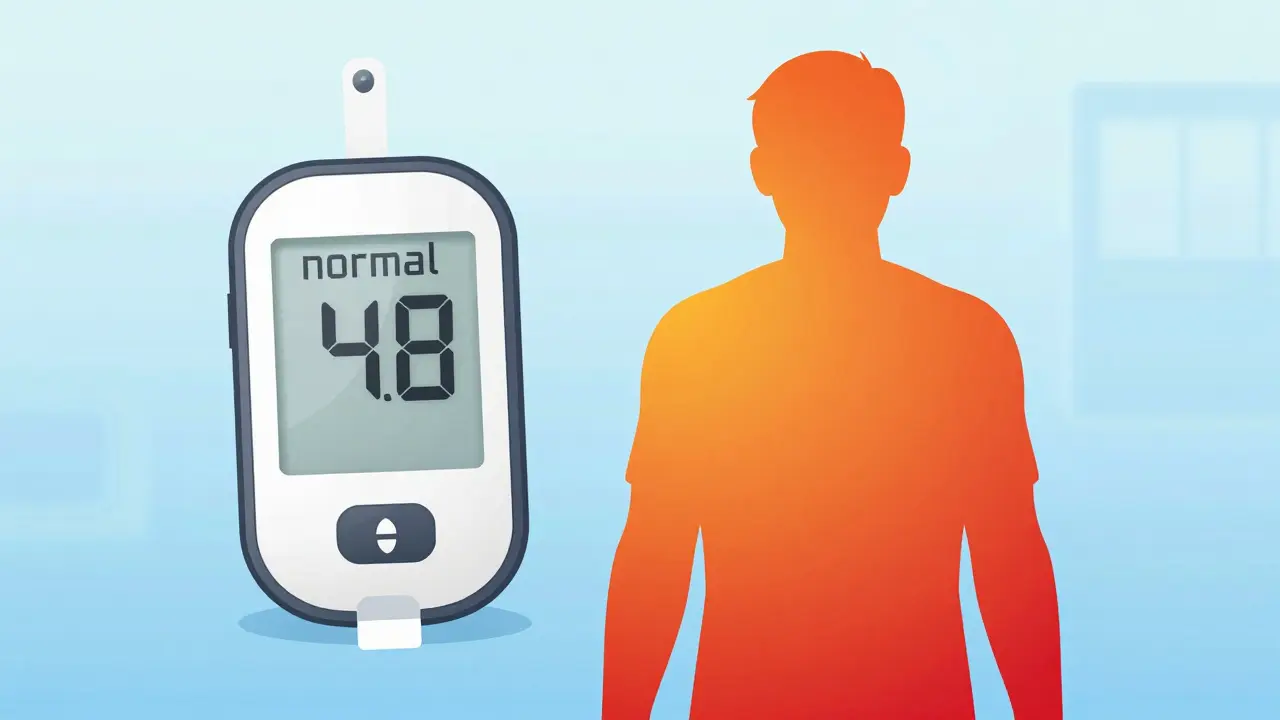
Usually, when someone has DKA, their blood glucose is sky-high-typically over 250 mg/dL. This makes it easy for a doctor to spot. However, when you're taking an SGLT2 inhibitor, you can develop Euglycemic DKA (euDKA). In these cases, the drug keeps pushing sugar out through your urine, so your blood glucose might stay below 200 mg/dL or even appear completely normal. Because the "classic" sign of high sugar is missing, the diagnosis is often delayed.
According to data from the FDA Adverse Event Reporting System, nearly 49% of DKA cases linked to these drugs were euglycemic. This is a critical clinical problem because you might feel terribly ill, but a quick finger-prick test suggests your sugar is fine, leading you to believe it's just a stomach bug while your blood is actually becoming dangerously acidic.
How SGLT2 Inhibitors Trigger Ketoacidosis
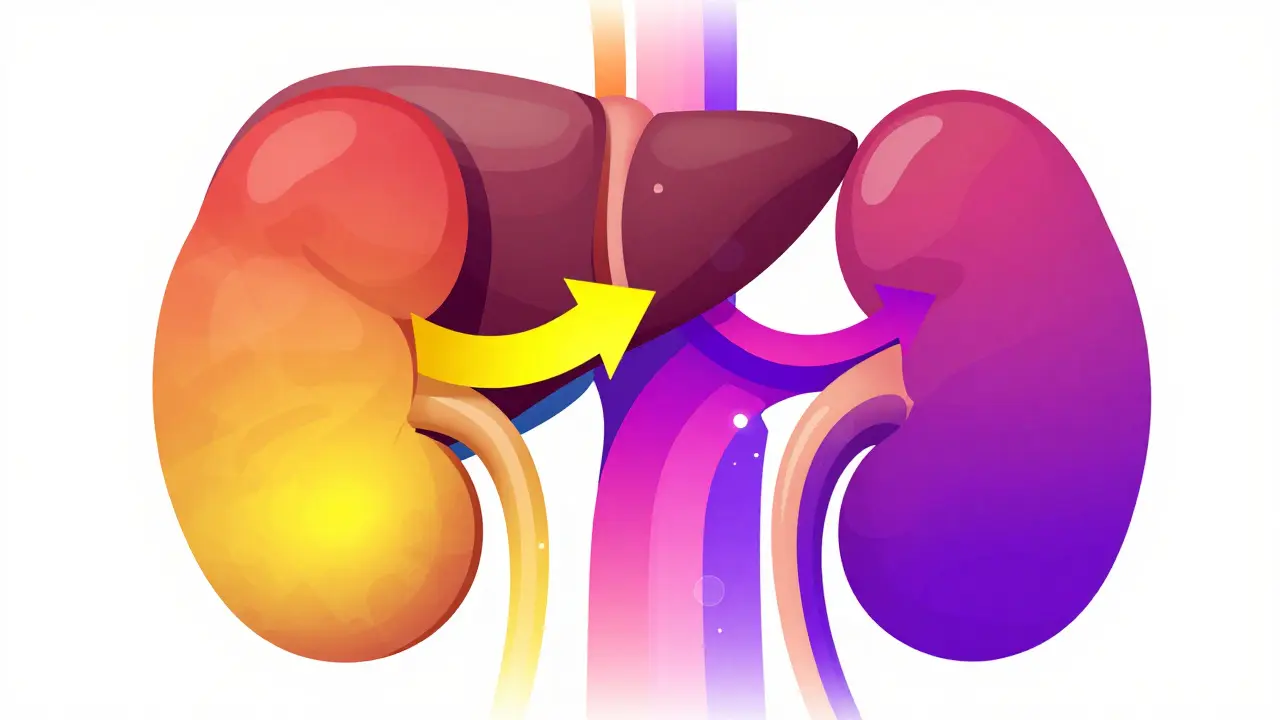
To understand why this happens, we have to look at how these drugs work. SGLT2 inhibitors stop the kidneys from reabsorbing glucose. While this lowers blood sugar, it also changes the balance of hormones in your body. It can lower insulin levels and increase glucagon, which tells your liver to start burning fat for energy. When the body burns fat too quickly, it produces ketones.
If ketones build up too much in the bloodstream, the blood becomes acidic. This isn't a normal process; it's a metabolic crisis. Research published in Metabolites found that users of these drugs had nearly a 3-fold increase in DKA risk compared to those taking DPP-4 inhibitors. While the absolute risk is low-estimated at 0.1 to 0.5 events per 100 patient-years-the severity of an episode can be high, with a mortality rate of about 4.3%, which is double the rate of traditional DKA.
| Feature | Traditional DKA | SGLT2-Associated DKA (euDKA) |
|---|---|---|
| Blood Glucose Level | Typically >250 mg/dL | Often <250 mg/dL (sometimes normal) |
| Ketone Levels | Very High | Very High |
| Diagnosis Speed | Fast (based on glucose) | Slower (glucose is deceptive) |
| Common Trigger | Infection, Insulin omission | Surgery, Low-carb diets, Severe illness |
Common Triggers and High-Risk Groups
DKA doesn't usually happen out of nowhere. It's almost always sparked by a "precipitating factor." If you're on an SGLT2 inhibitor, certain life events significantly spike your risk. Acute illness (like a severe flu) is the most common trigger, accounting for about 32% of cases. Other dangerous triggers include reducing your insulin dose suddenly or undergoing surgery.
You should also be aware of the "low-carb trap." When you drastically cut carbohydrates-either through a strict keto diet or because you're too sick to eat-your body is more likely to shift into ketone production. This is why medical guidelines, including those from the AACE, strongly suggest stopping these medications at least 3 days before any elective surgery that requires fasting.
Not everyone has the same risk level. People with lower baseline beta-cell function (meaning their body produces very little insulin) are at much higher risk. One study showed that patients with low C-peptide levels experienced DKA at a rate of 2.4%, compared to just 0.6% for those with healthier insulin production.
Recognizing the Warning Signs
Since you cannot rely on your glucose monitor alone, you have to listen to your body. The symptoms of DKA are often vague at first, which is why they are so dangerous. Keep a close eye out for:
- Nausea and Vomiting: This is often the first sign. If you feel like you have a stomach flu but it doesn't go away, be concerned.
- Abdominal Pain: Severe cramping or pain in the stomach area.
- Shortness of Breath: This happens as your body tries to blow off carbon dioxide to compensate for the acidity in your blood.
- Malaise: A general feeling of profound weakness or being "unwell."
- Fruity-smelling Breath: A classic sign of high ketones.
If you experience these, the only way to know for sure is to test for ketones. You can use a urine strip or a blood ketone meter. If ketones are "moderate" or "large," you need medical attention immediately, even if your blood sugar reading is 110 mg/dL.
Managing the Risk: Practical Steps for Patients
The good news is that DKA is preventable. Evidence shows that simply educating patients on symptoms and ketone monitoring can reduce the incidence of DKA by up to 67%. Here is a simple rule of thumb for staying safe while benefiting from your medication.
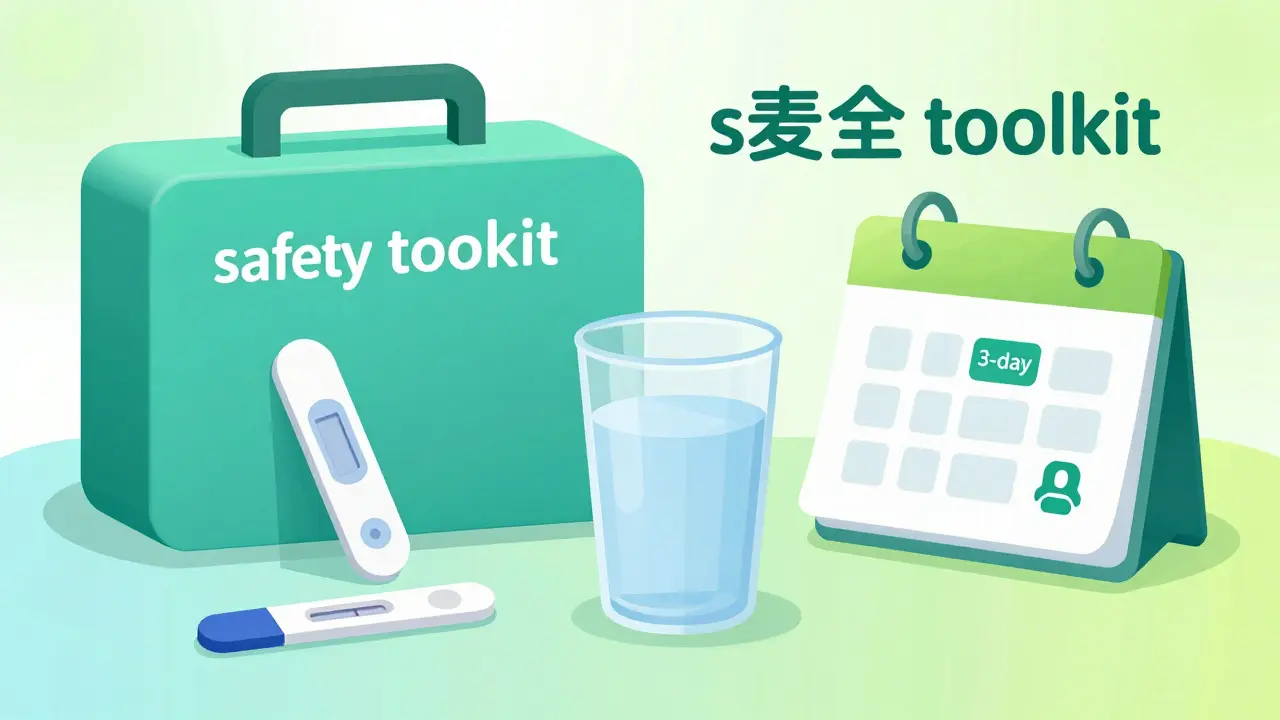
- The "Sick Day" Protocol: If you have a fever, vomiting, or can't keep food down, talk to your doctor about temporarily pausing your SGLT2 inhibitor.
- Surgery Prep: Always tell your surgeon you are taking an SGLT2 inhibitor. Plan to stop the medication at least 72 hours before the procedure.
- Ketone Kits: Keep a supply of ketone testing strips at home. Don't wait until you're in the ER to check them.
- Avoid Extreme Fasting: If you decide to start a very low-carb or ketogenic diet, do it only under strict medical supervision and dose adjustments.
The Balancing Act: Benefit vs. Risk
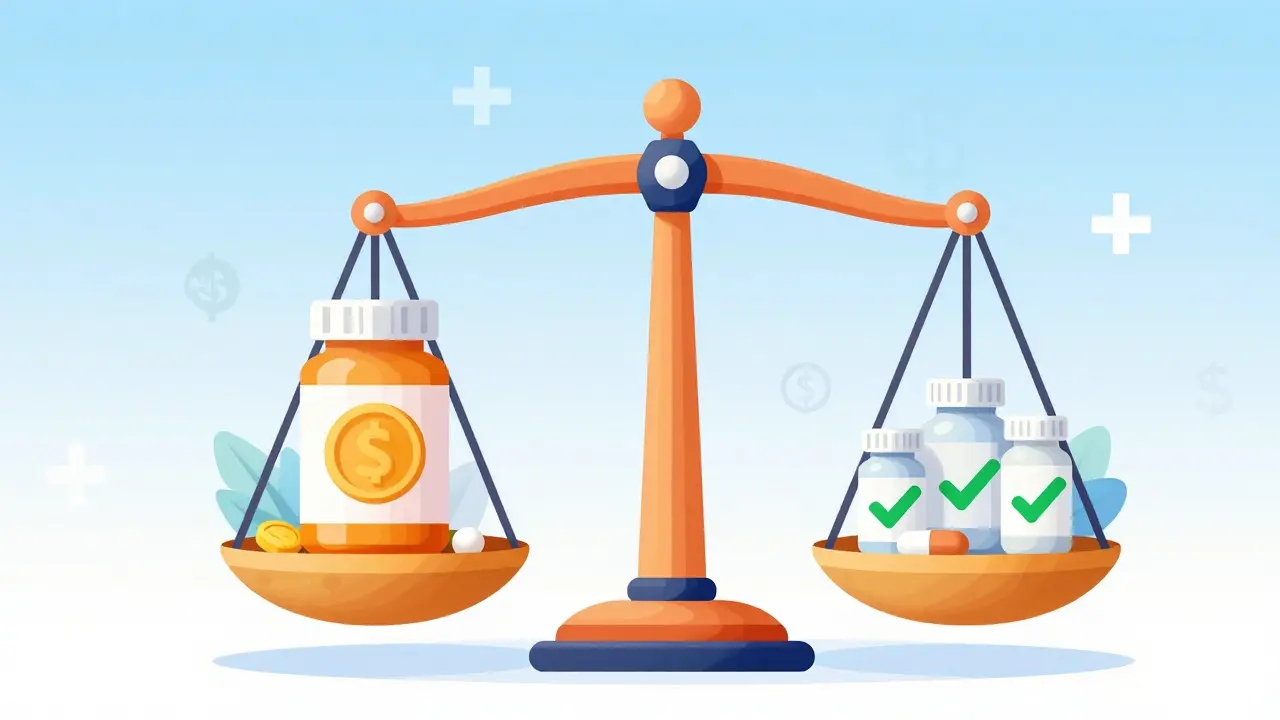
Given these risks, you might wonder if these drugs are even worth it. The answer for most people is a resounding yes. Massive trials like EMPA-REG OUTCOME and CANVAS have proven that these medications significantly lower the risk of heart failure and kidney disease progression.
The medical consensus is that the cardiovascular and renal benefits far outweigh the risk of DKA for the vast majority of type 2 diabetes patients. The key is not to avoid the drugs, but to use them with a clear safety plan. Modern medicine is even moving toward using machine learning to predict who is most at risk before they even start the medication, which will make these treatments even safer in the coming years.
Can I still take SGLT2 inhibitors if I'm worried about DKA?
Yes, for most people with type 2 diabetes, the heart and kidney benefits are much greater than the risk of DKA. The best approach is to work with your doctor to create a "sick day plan" and learn how to monitor your ketones.
What is the difference between DKA and Euglycemic DKA?
Traditional DKA usually involves very high blood sugar (over 250 mg/dL). Euglycemic DKA happens when your blood sugar stays relatively normal or only slightly elevated, but your blood still becomes acidic due to high ketone levels. This makes it harder to diagnose because a glucose meter doesn't signal an emergency.
Why should I stop SGLT2 inhibitors before surgery?
Surgery often involves fasting and physical stress, both of which are major triggers for ketoacidosis. Stopping the medication at least 3 days prior reduces the risk of developing euDKA during or after the procedure.
Are there specific drugs in this class that are riskier?
Drugs like canagliflozin, dapagliflozin, and empagliflozin all carry this risk. Some studies suggest that higher doses may slightly increase the risk, but the risk is generally consistent across the class.
Who should absolutely avoid SGLT2 inhibitors?
Generally, people with a history of DKA, those with type 1 diabetes (unless under very specific medical protocols), and patients with severe insulin deficiency (insulinopenic type 2 diabetes) should avoid these medications due to the significantly higher risk of ketoacidosis.