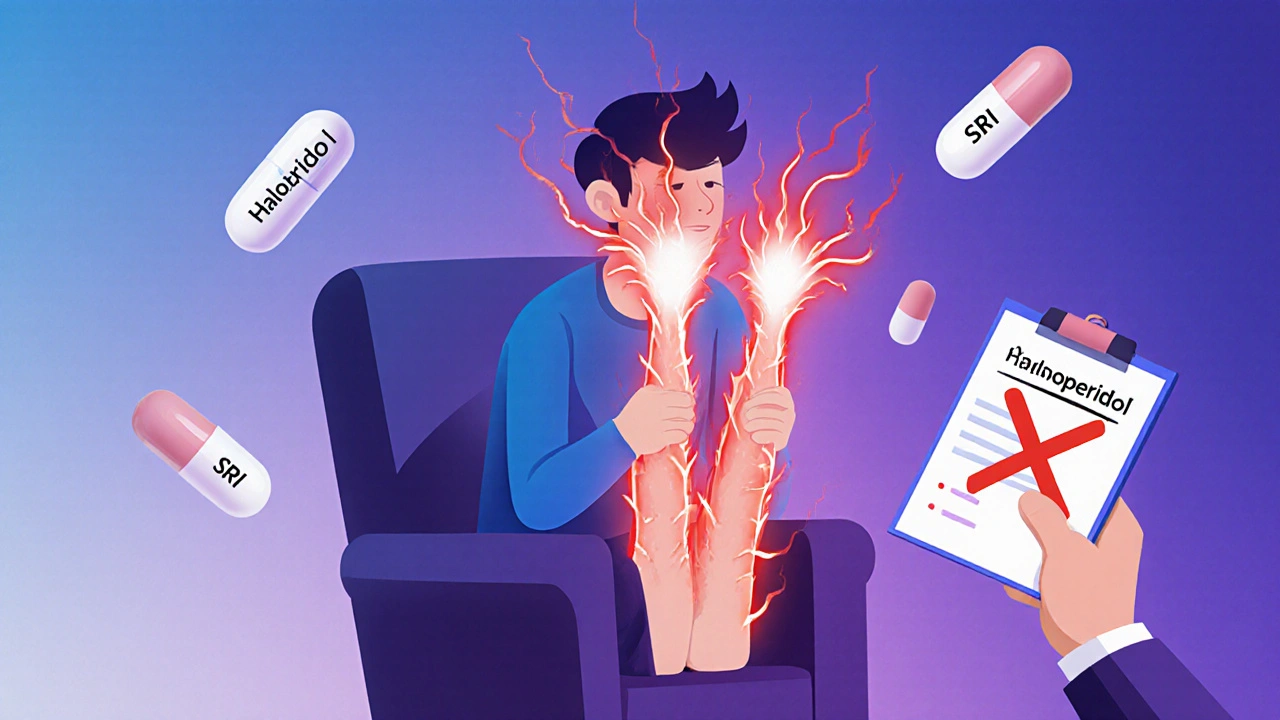
Restless Legs Syndrome: Causes, Treatments, and Medications That Help
When you’re trying to sleep but your legs feel like they’re crawling, tingling, or aching with an urge to move, you’re not just being restless—you might have restless legs syndrome, a neurological disorder that causes uncomfortable sensations in the legs and an uncontrollable need to move them, often worsening at night. Also known as Willis-Ekbom disease, it affects about 1 in 10 adults and isn’t just a minor annoyance—it can wreck your sleep, drain your energy, and make daily life harder.
What makes restless legs syndrome tricky is that it’s often tied to other health issues. Low iron levels in the brain are one of the most common underlying causes, and many people with RLS have iron deficiency even if their blood tests look normal. It also shows up with kidney disease, diabetes, and pregnancy. Some medications make it worse—antidepressants, antihistamines like diphenhydramine, and even certain nausea drugs can trigger or amplify symptoms. If you’re on any of these and notice your legs acting up, it’s worth talking to your doctor about alternatives.
There are also dopamine agonists, a class of drugs that boost dopamine activity in the brain, often used to treat Parkinson’s and now commonly prescribed for restless legs syndrome. Medications like ropinirole and pramipexole can help, but they come with risks—some people develop sudden urges to move at odd times, or even experience impulse control problems. That’s why doctors often start with simpler fixes first: stretching, avoiding caffeine, checking iron levels, or trying magnesium or folate supplements. For others, gabapentin or pregabalin, originally for nerve pain, work better and have fewer long-term side effects.
And it’s not just about pills. Movement helps—walking, stretching, or even massaging your legs can give temporary relief. Some people swear by cold or warm packs. Others find that consistent sleep schedules and cutting out alcohol make a big difference. But if you’ve tried all that and your legs still won’t quit, it’s not weakness—it’s biology. periodic limb movement, a related condition where legs jerk involuntarily during sleep, often occurring alongside restless legs syndrome can be just as disruptive, even if you don’t feel it. Sleep studies can confirm it, and treatment often overlaps with RLS.
What you’ll find below are real, practical guides from people who’ve lived with this—how to talk to your doctor about medication side effects, when to ask for an iron test, how to spot if a new prescription is making things worse, and what over-the-counter options actually help. No fluff. Just clear info on what works, what doesn’t, and what to watch out for. Whether you’re just starting to notice symptoms or have been dealing with this for years, these posts give you the tools to take back control—without guessing.