Restless Legs Medication: What Works, What to Avoid, and How to Stay in Control
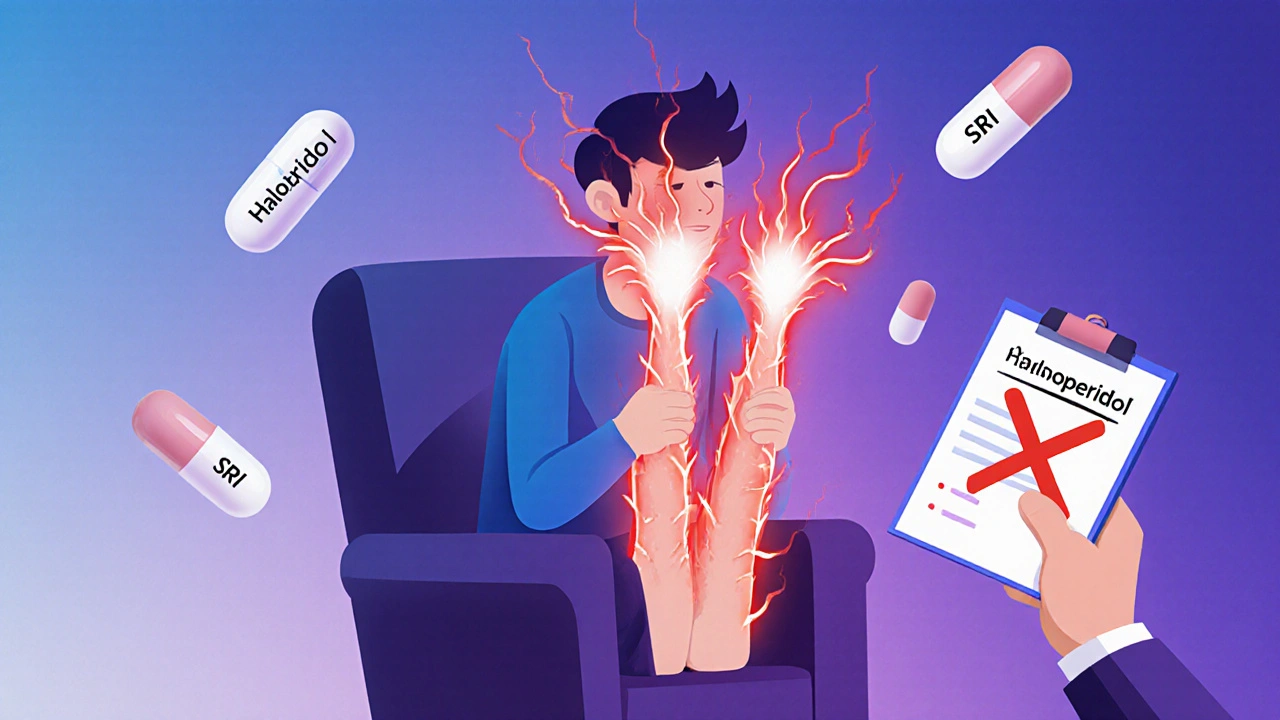
When your legs won’t stop moving—especially at night—you’re not just dealing with discomfort, you’re fighting restless legs syndrome, a neurological disorder that causes an irresistible urge to move the legs, often accompanied by crawling or tingling sensations. Also known as Willis-Ekbom disease, it affects up to 10% of adults and can wreck sleep, energy, and mood. The good news? There are proven restless legs medication, prescription drugs approved to reduce the urge to move and improve sleep quality that work for most people. But not all of them are right for everyone.
Most doctors start with dopamine agonists, medications that boost dopamine activity in the brain, which helps calm the nerve signals causing the urge to move. Drugs like pramipexole and ropinirole are common first choices. But they can cause side effects like nausea, dizziness, or even impulse control problems—like compulsive gambling or shopping. That’s why some patients switch to gabapentin for RLS, an anticonvulsant that’s gentler on the brain and often better for long-term use. It doesn’t trigger the same impulse issues, and many people find it helps them sleep through the night without the daytime fog.
Iron deficiency is a hidden driver of restless legs. If your ferritin levels are low—even if your iron count looks normal—supplementing iron can cut symptoms in half. That’s why your doctor should check your blood before prescribing anything. Also, avoid antihistamines like diphenhydramine (found in many sleep aids and allergy pills). They make RLS worse. Alcohol and caffeine? Same story. They don’t cause RLS, but they turn a mild case into a nightmare.
Some people try over-the-counter remedies or herbal supplements, but there’s little proof they help. What does work? Consistent routines: walking before bed, leg stretches, warm baths, and avoiding screens at night. But if your legs are keeping you up three or more nights a week, medication isn’t a last resort—it’s a tool. The goal isn’t to cure RLS, because there’s no cure. It’s to take back your sleep.
Below, you’ll find real-world insights from people who’ve tried different treatments, learned what didn’t work, and found what finally helped. Whether you’re just starting out or switching meds after a bad experience, these posts give you the facts without the fluff. No hype. No guesswork. Just what you need to talk to your doctor and feel in control again.