PBM Rebates: How Pharmacy Benefit Managers Shape Your Drug Costs
When you pick up a prescription, the price you see at the counter isn’t the whole story. Behind the scenes, PBM rebates, payments pharmacy benefit managers receive from drug makers to favor certain medications. Also known as formulary rebates, these deals shape which drugs are covered, how much you pay, and even whether your insurance approves a prescription at all. PBMs—like CVS Caremark, Express Scripts, and OptumRx—act as middlemen between drug manufacturers, pharmacies, and health insurers. They negotiate prices, manage drug lists (formularies), and collect rebates. But here’s the catch: many of those rebates don’t go to you. They stay with the PBM or the insurer, which means your out-of-pocket cost might not drop even when a drug gets cheaper for the plan.
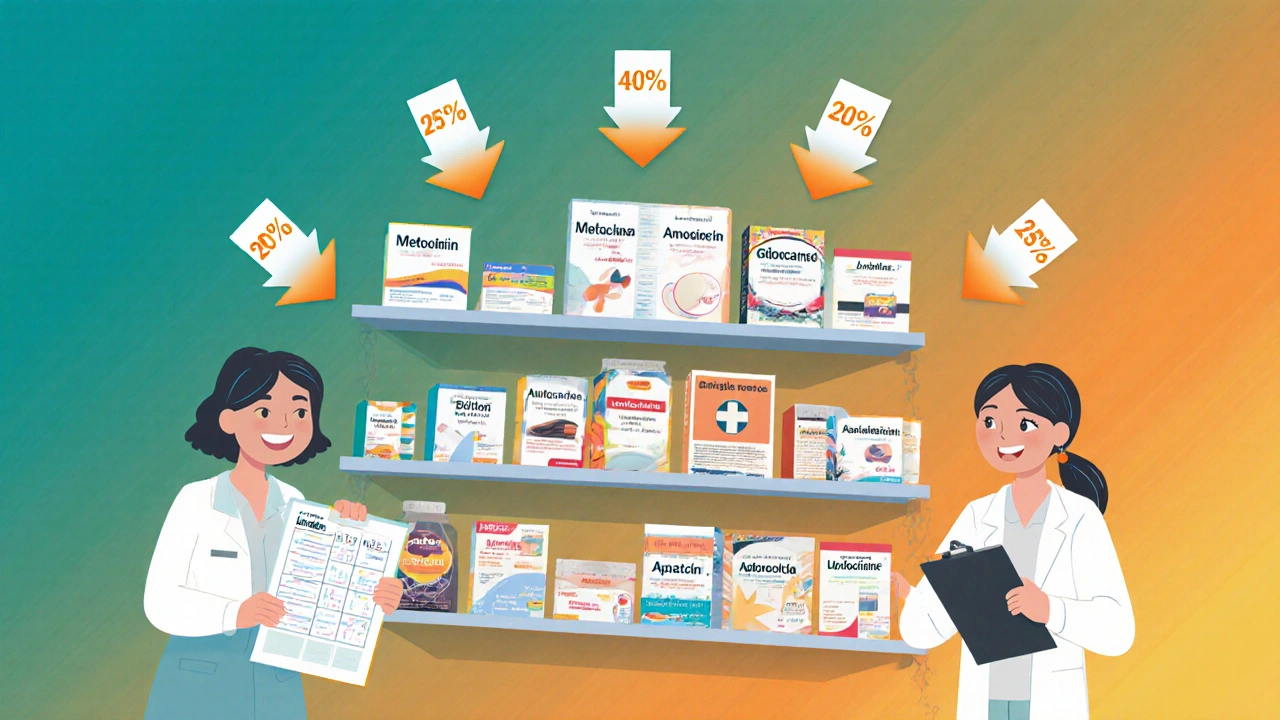
This system affects everything from generic drugs to brand-name biologics. For example, a $100 pill might come with a $40 rebate to the PBM, but your copay stays at $50 because the rebate isn’t passed on. Meanwhile, a cheaper generic version might be pushed to the top of the formulary not because it’s better, but because the manufacturer offered a bigger rebate. That’s why you might see your doctor prescribe a drug you’ve never heard of—sometimes it’s not about effectiveness, it’s about the rebate. Pharmacy benefit managers, third-party administrators that manage prescription drug programs for insurers. Also known as drug benefit managers, they control access to over 90% of U.S. prescriptions. And while they claim to lower costs, studies show their structure often inflates prices for patients, especially those without good insurance.
It’s not just about big pharma. Even generic drugs, which are supposed to be affordable, are caught in this web. PBMs use bulk buying and tendering to lock in deals, but they don’t always pass savings to consumers. Instead, they create complex rebate structures that reward volume over value. This is why two people on the same plan can pay wildly different amounts for the same drug—depending on which PBM their insurer uses and which rebate deals are active that month. Drug pricing, the complex system of list prices, discounts, rebates, and copays that determine what patients pay. Also known as pharmaceutical pricing, it’s broken because the incentives are misaligned. You’re not just paying for medicine—you’re paying for a system designed to maximize profits for intermediaries, not patients.
What you’ll find in the posts below are real, practical breakdowns of how this system touches your life. From how insurers save millions on generics to why your brand-name drug suddenly got pulled from coverage, these articles cut through the jargon. You’ll learn how to spot when a rebate is working against you, how to ask your pharmacist the right questions, and what steps you can take to get a better deal—even if you’re on Medicare or a high-deductible plan. This isn’t theory. It’s what’s happening to your prescriptions right now.