Paragraph IV Certification: What It Means for Generic Drugs and Your Pocket
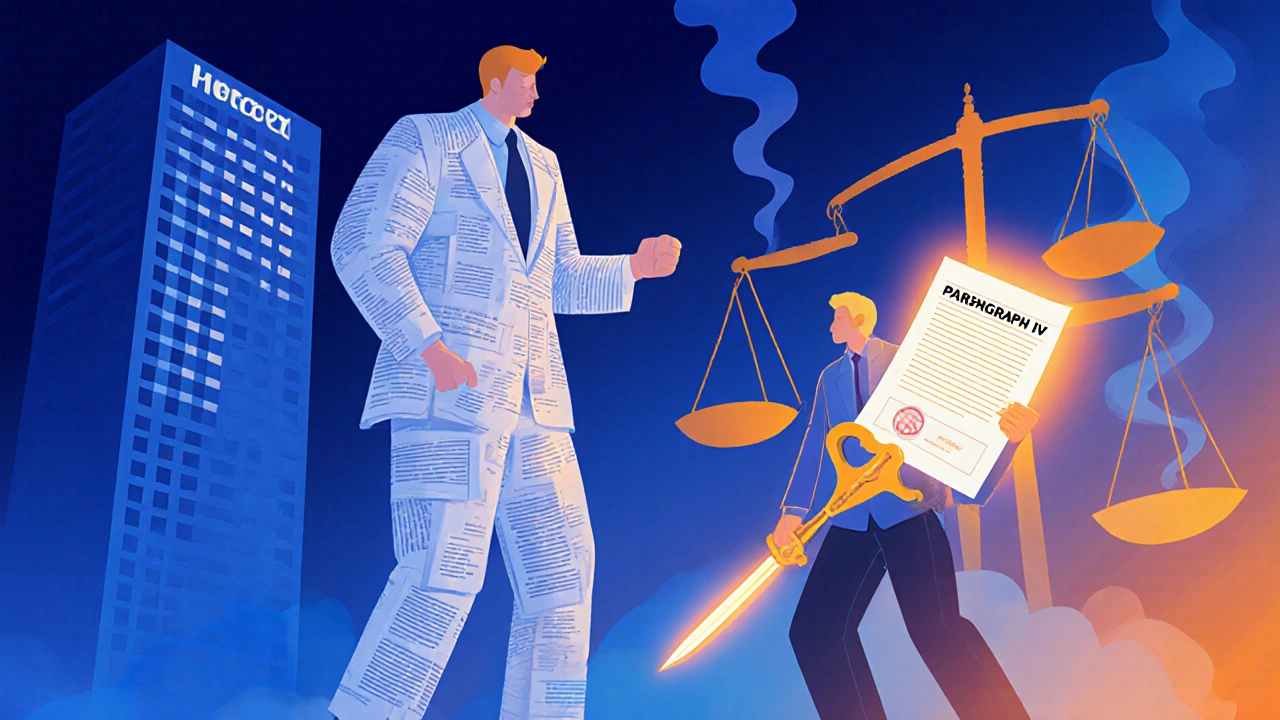
When a generic drug company files a Paragraph IV certification, a legal notice filed with the FDA to challenge a brand-name drug’s patent. Also known as a Paragraph IV notice, it’s the key tool that lets cheaper versions of medicines reach patients faster. This isn’t just paperwork—it’s the reason you can buy $4 statins, $10 antibiotics, or $5 insulin instead of paying hundreds. Without it, brand drug companies could hold onto monopolies for decades, keeping prices high with little competition.
The Hatch-Waxman Act, a 1984 law that balanced patent rights with generic drug access created the Paragraph IV process. It lets generic makers say, "We believe this patent is invalid, or our drug doesn’t infringe." If they win, they get 180 days of exclusive rights to sell the first generic—meaning they can charge a little more than others, but still way less than the brand. This system has saved U.S. patients over $300 billion in the last decade alone. It’s not perfect—some companies game the system with legal delays—but it’s the main reason generic drugs now make up 90% of prescriptions.
Behind every Paragraph IV filing is a battle between patent law and public health. The ANDA, Abbreviated New Drug Application, the streamlined filing for generic drugs includes the certification. The brand company then has 45 days to sue. If they do, the FDA can’t approve the generic for 30 months—or until the court rules. That delay can be a problem, but it also forces real legal scrutiny. Not every patent holds up. Some cover minor changes, like a new pill shape or coating, that don’t actually improve the drug. That’s where Paragraph IV shines—it lets the market decide what’s truly innovative.
What does this mean for you? If your prescription suddenly switches to a cheaper generic, or if you notice a new low-cost option appearing, it’s likely because someone filed a Paragraph IV certification. It’s why your insurance prefers generics. It’s why pharmacies stock multiple brands of the same drug. And it’s why you don’t pay $1,000 for a month’s supply of metformin anymore. The system isn’t flashy, but it works—putting pressure on drugmakers to justify their prices or lose market share.
Below, you’ll find real-world examples of how this system affects medication access—from how insurers save money on generics to how patients switch back to brand drugs when generics don’t work. You’ll see how post-market surveillance catches safety issues, how bulk buying lowers prices, and how patients navigate the system to get the meds they need. This isn’t theory. It’s the quiet engine behind every affordable pill on your shelf.