FDA Boxed Warning: What It Means and How It Protects You
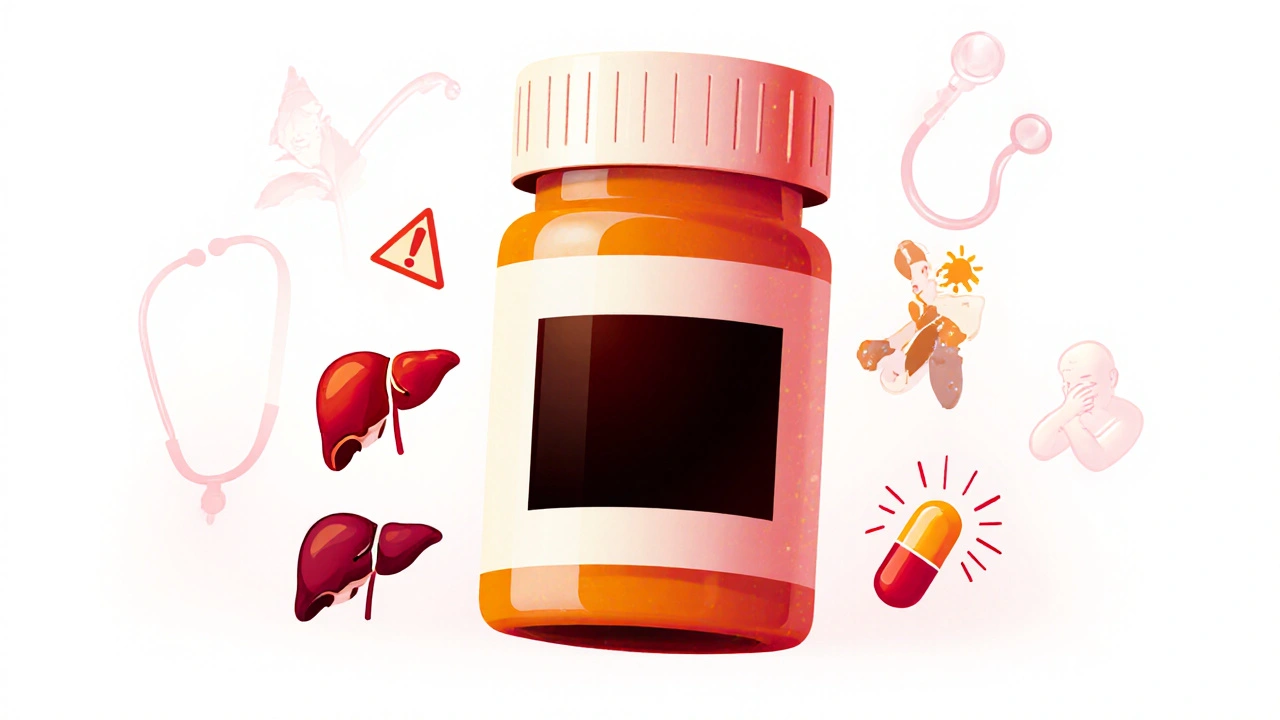
When a drug carries an FDA boxed warning, the strongest safety alert the U.S. Food and Drug Administration can issue for prescription medications. Also known as a black box warning, it’s printed in a bold, bordered box on the drug’s label to grab immediate attention—because something serious could happen if you don’t know the risk. This isn’t just a footnote. It’s the FDA’s way of saying: "This drug can cause severe harm or death under certain conditions, and you need to be fully informed before taking it."
The warning doesn’t mean you can’t use the drug—it means you need to understand when and how it’s dangerous. For example, some antidepressants carry a boxed warning for increased suicide risk in young adults. Others, like certain antibiotics or blood thinners, can trigger life-threatening heart rhythms or internal bleeding. These aren’t rare side effects—they’re documented, serious, and predictable enough that the FDA requires the warning to be front and center. The same warning appears in prescribing guides, patient leaflets, and pharmacy labels, so it’s not something you’ll miss if you’re looking.
Boxed warnings are tied to real-world harm. The FDA doesn’t slap them on just because of a few reports. They come after hundreds or thousands of adverse event reports, clinical trial data, and post-market surveillance studies—like the ones the FDA runs through its Adverse Event Reporting System, a national database where doctors, pharmacists, and patients report dangerous reactions to medications. That’s how they catch problems that clinical trials miss, especially in older adults, people with multiple health conditions, or those taking several drugs at once. You’ll see these warnings on medications linked to liver damage, suicidal thoughts, severe skin reactions, or sudden cardiac events—things that show up more clearly when millions of people are using the drug over time.
It’s not just about the drug itself. The warning often ties to how it’s used. A medication might be safe for one condition but dangerous for another. For instance, a drug approved for arthritis might carry a boxed warning if used in patients with heart failure. Or a drug that’s fine for adults could be deadly for children. That’s why reading the full medication guide matters—it’s not just legal paperwork. It’s your safety checklist. And if you’re unsure what the warning means for you, talk to your pharmacist. They see these warnings every day and can help you weigh the risks against the benefits.
What you’ll find in the posts below are real stories and clear explanations about drugs with boxed warnings—why they carry them, what to watch for, and how to use them safely. You’ll learn about medications that can cause psychosis, heart rhythm problems, or birth defects, and how to spot the early signs before it’s too late. These aren’t abstract warnings. They’re lived experiences, backed by data, and meant to help you make smarter, safer choices with your health.