Breastfeeding Medication Safety: What Drugs Are Safe for Mom and Baby
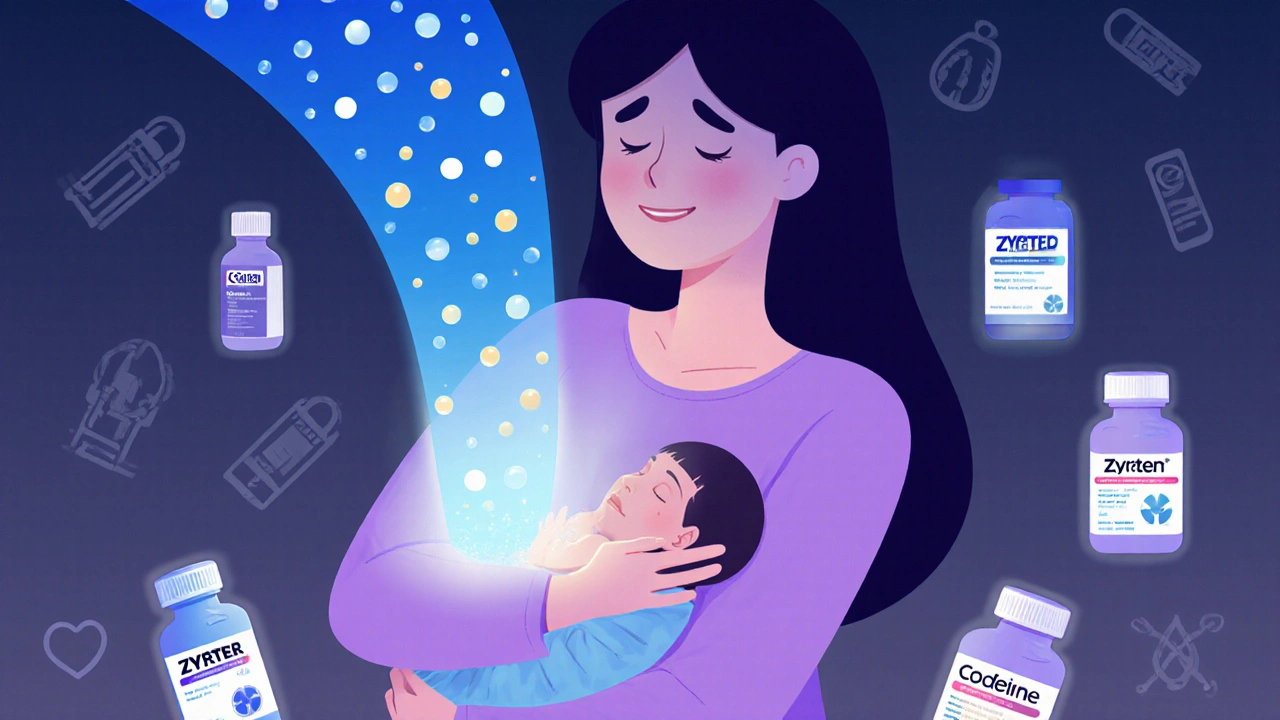
When you're breastfeeding, every pill, patch, or injection you take raises a question: breastfeeding medication safety, the practice of choosing drugs that minimize risk to nursing infants while treating maternal health needs. It’s not about avoiding medicine altogether—it’s about knowing which ones slip into breast milk, how much gets there, and what that actually means for your baby. Most medications are fine. Some need timing or dosing tweaks. A few should be avoided. The key isn’t fear—it’s knowing where to look and what to ask your doctor.
drug transfer breast milk, how pharmaceutical compounds move from mother’s bloodstream into breast tissue depends on factors like the drug’s molecular size, fat solubility, and how tightly it binds to proteins. Small, lipid-soluble drugs cross more easily, but that doesn’t always mean they’re dangerous. For example, ibuprofen and acetaminophen pass into milk in tiny amounts—far below levels that affect infants. On the flip side, lithium or certain antidepressants require closer monitoring because even small doses can build up. That’s why tools like the LactMed database, a free, evidence-based resource from the National Library of Medicine that details drug levels in breast milk and infant risk exist. It’s not a guesswork tool—it’s a clinical reference used by lactation consultants and pharmacists daily.
Many moms worry about breastfeeding and psychotropics, the use of antidepressants, anti-anxiety, or mood-stabilizing drugs while nursing. SSRIs like sertraline and paroxetine are often preferred because they show low transfer rates and minimal infant side effects. Benzodiazepines? Use sparingly and avoid long-acting ones like diazepam. The goal isn’t to go off meds if you need them—it’s to pick the safest option and monitor your baby for sleepiness, feeding changes, or irritability. And if you’re unsure? Check LactMed before your next refill. Or ask your pharmacist to pull up the data. You don’t need a medical degree to use it.
There’s no one-size-fits-all answer. A drug safe for a full-term baby might be risky for a preemie. A medication fine for a 3-month-old could be problematic for a newborn under two weeks. That’s why timing matters—taking meds right after nursing, or right before the baby’s longest sleep stretch, can cut exposure by half. And don’t assume natural means safe. Herbal supplements like St. John’s wort or kava can affect milk supply or baby’s nervous system. Even caffeine adds up. The same caution you’d use with alcohol or nicotine applies here.
What you’ll find in the posts below isn’t theory—it’s real-world guidance. From how to read drug labels for breastfeeding warnings to which painkillers are safest after a C-section, from managing anxiety without stopping nursing to understanding why some doctors still give outdated advice, these articles cut through the noise. You’ll see what the data says, not what someone guessed. No fearmongering. No vague "it’s probably okay." Just clear facts, trusted sources, and practical steps you can use today to keep both you and your baby healthy.