Black Box Warning: What It Means and Which Medications Carry It
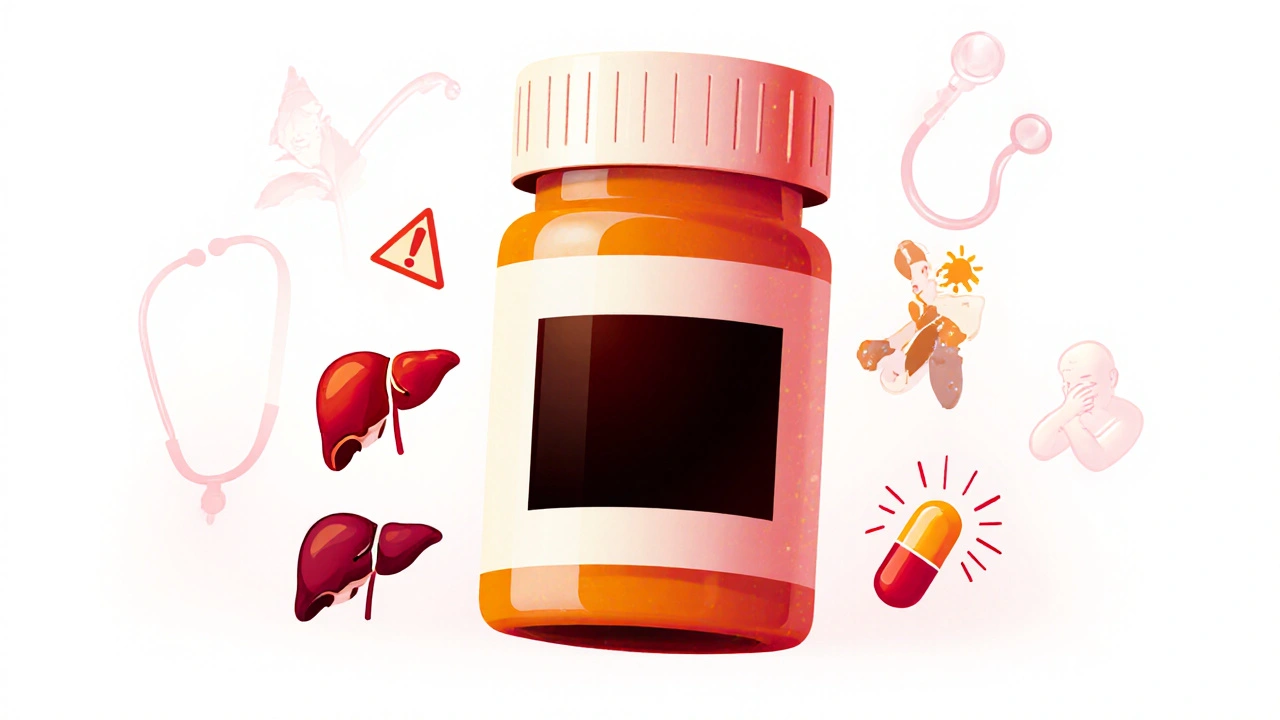
When a drug has a black box warning, the strongest safety alert the U.S. Food and Drug Administration can issue. Also known as a boxed warning, it’s printed in a bold, black rectangle on the drug’s label to signal life-threatening risks like sudden death, severe organ damage, or suicidal behavior. This isn’t just a caution—it’s a red flag that the FDA has seen real cases of serious harm, sometimes even death, linked to the medication.
These warnings don’t mean you should never take the drug. They mean you need to know the risks and watch for signs of trouble. For example, antidepressants like fluoxetine carry a black box warning for increased suicidal thoughts in young adults under 25. Some heart rhythm drugs, like sotalol, warn of dangerous QT prolongation. And drugs like clozapine, used for severe schizophrenia, come with a warning for potentially fatal drops in white blood cells. These aren’t rare edge cases—they’re documented outcomes that forced the FDA to act.
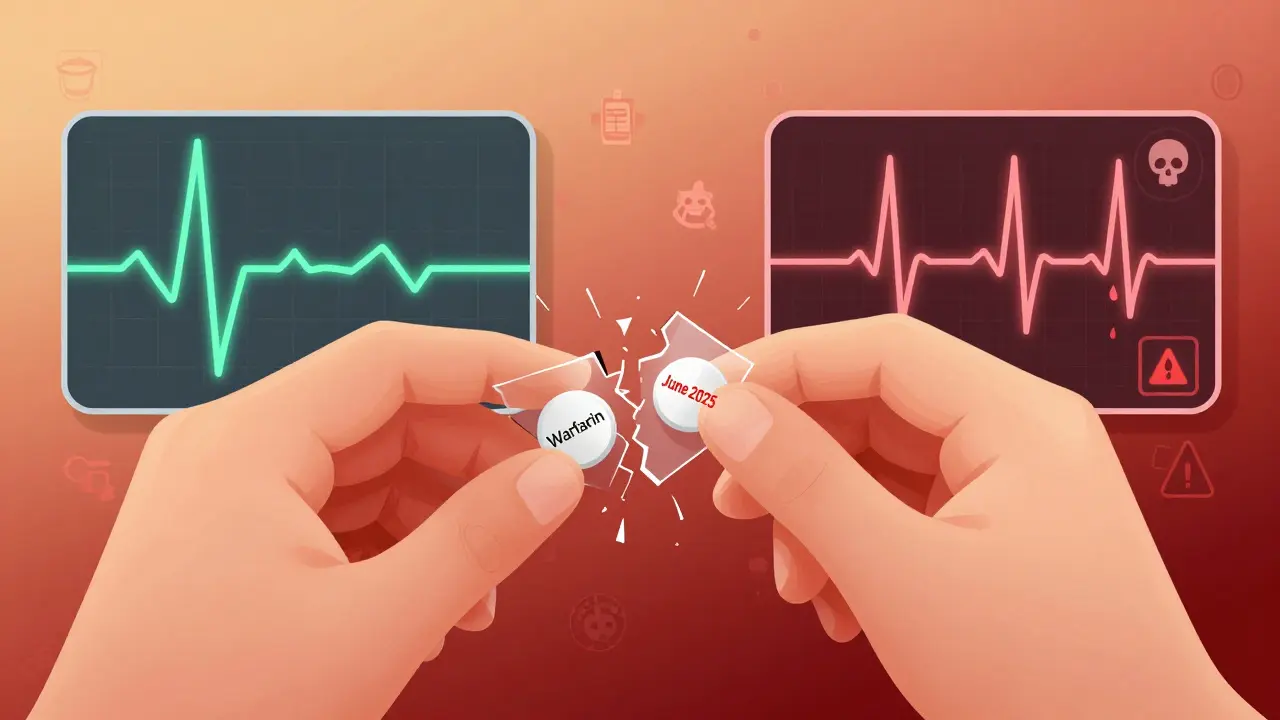
Many of the medications in this collection tie directly to black box warnings. Posts about medication-induced psychosis, a serious reaction triggered by steroids, antimalarials, or even some antibiotics, often overlap with drugs carrying these warnings. The same goes for drug-induced arrhythmias, a known risk with certain antibiotics, antifungals, and antipsychotics. Even something as simple as a cough medicine containing codeine can carry a black box warning for respiratory depression in children. These aren’t theoretical concerns—they’re real, tracked, and documented in FDA databases like FAERS.
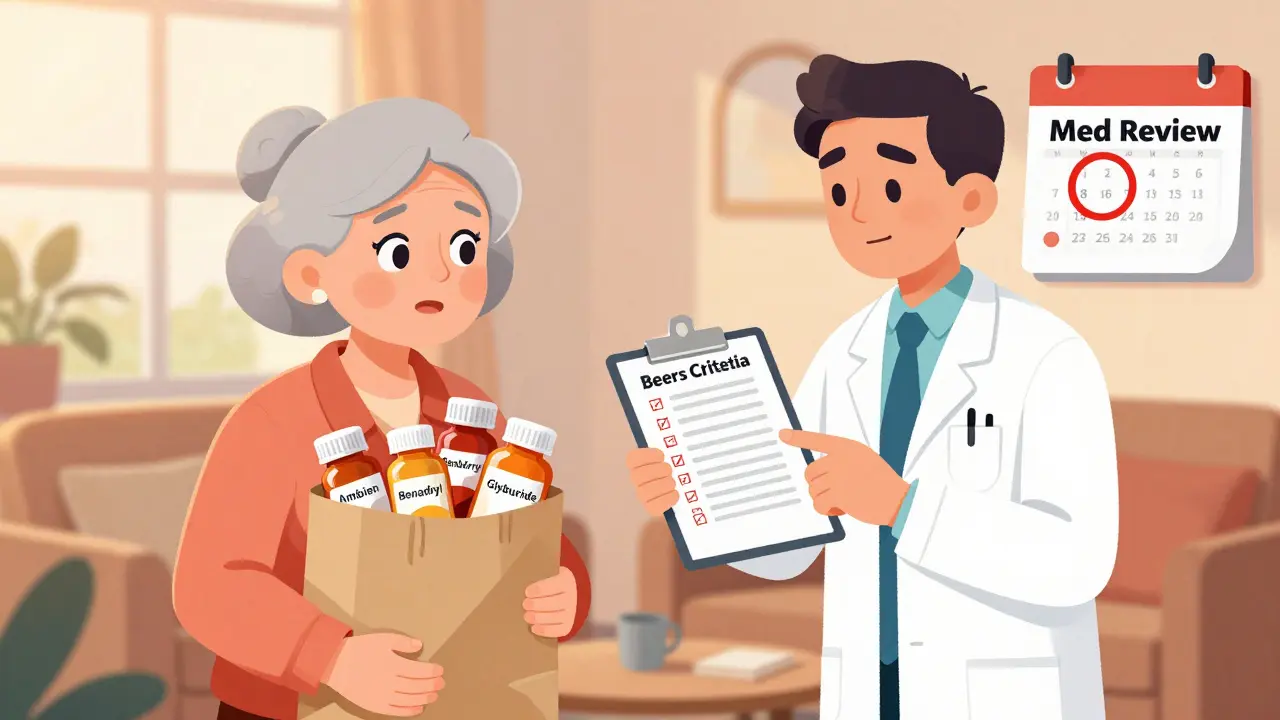
What you won’t find in the label is the full story. The black box tells you the danger, but not how to avoid it. That’s where knowing your doctor, reading the medication guide, and understanding your own health history come in. Some people can safely take a black box drug with close monitoring. Others need alternatives. The posts below give you the details: which drugs have these warnings, what symptoms to watch for, how often the risks actually happen, and what to do if something goes wrong. You’re not just reading about warnings—you’re learning how to live with them safely.