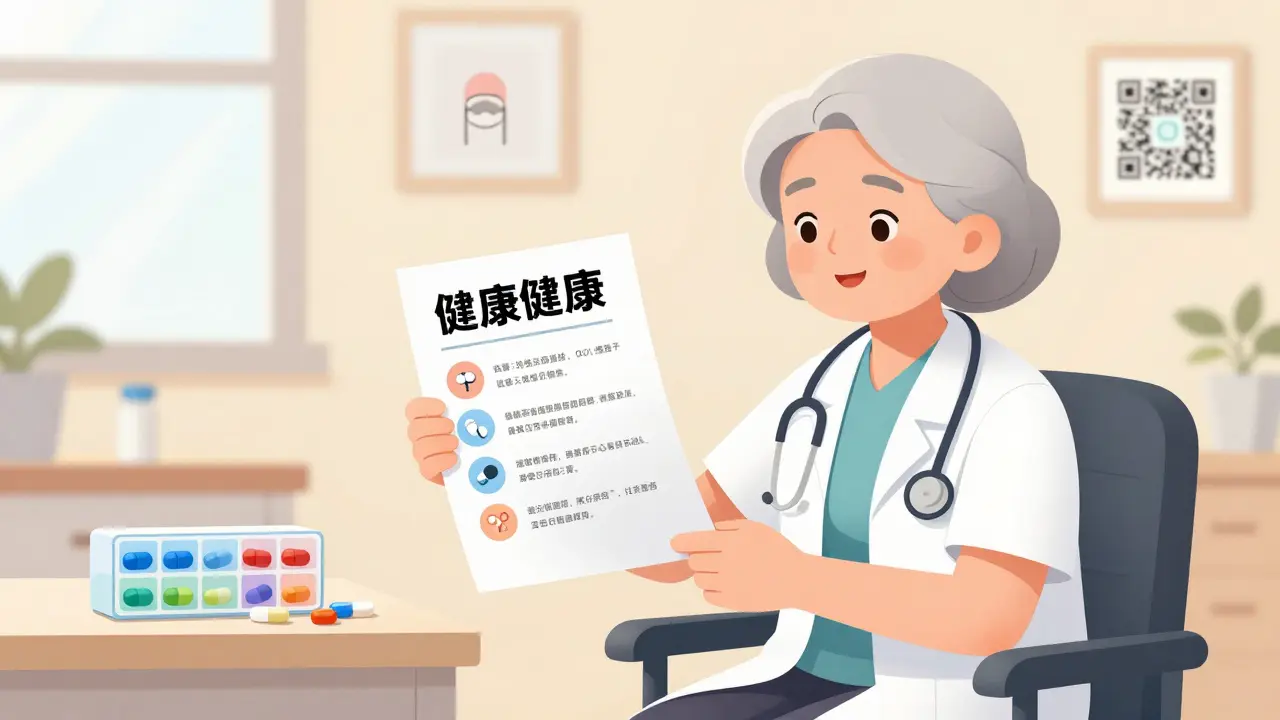
Clear, simple health materials for seniors can reduce confusion, prevent errors, and save lives. Learn what makes senior patient education effective-and where to find trusted, easy-to-read resources.

Proper hand hygiene at home can reduce respiratory infections by 21% and stomach bugs by 31%. Learn the science-backed steps, when to use soap vs. sanitizer, and how to make it stick for your whole family.

Registries and claims data are two powerful sources of real-world evidence used to monitor drug safety after approval. They track millions of patients, uncover rare side effects, and help regulators make faster, smarter decisions.
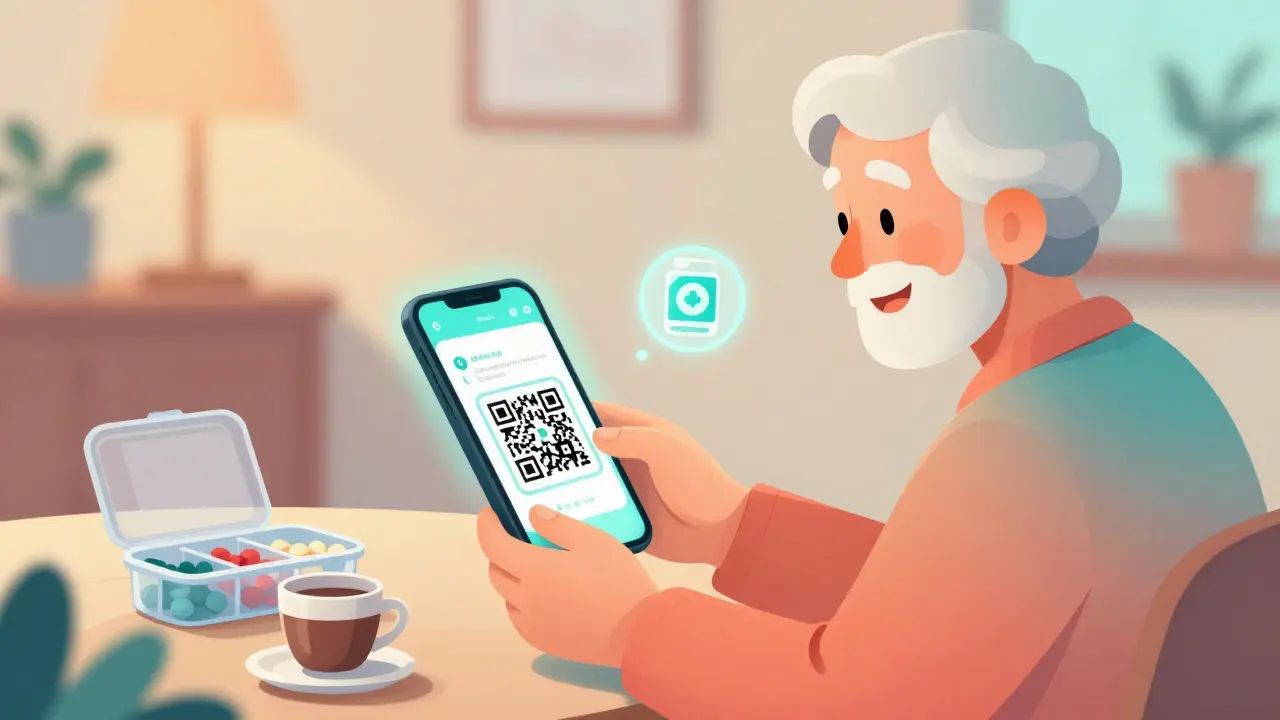
QR codes on prescription labels give patients instant access to safety info, dosing guides, and drug interactions. Learn how to scan them, what content they should include, and why pharmacies are adopting them to cut errors and improve adherence.
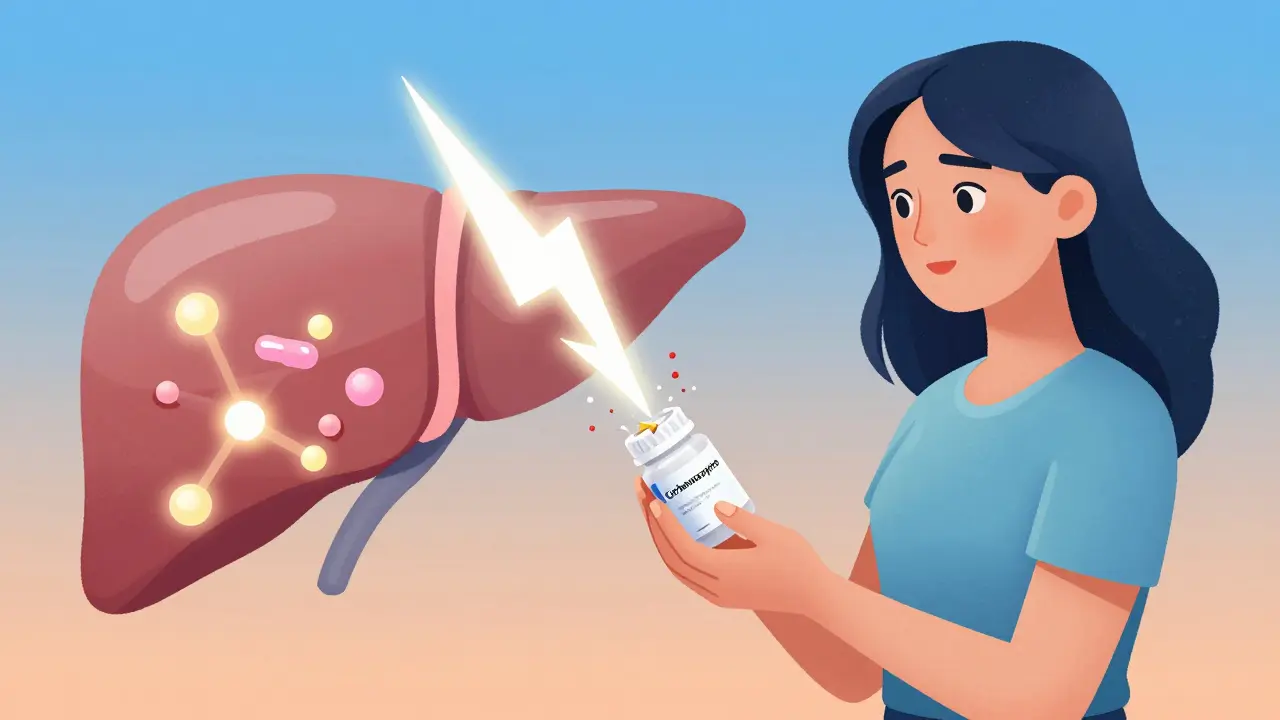
Certain seizure medications can make birth control pills, patches, and rings ineffective, leading to unplanned pregnancies. Learn which drugs interfere, which birth control methods still work, and what to do if you're at risk.

Pharmacists are the last line of defense against counterfeit drugs. Learn how modern training programs use AI, global standards, and hands-on tools to help pharmacists detect fake medications and protect patients.
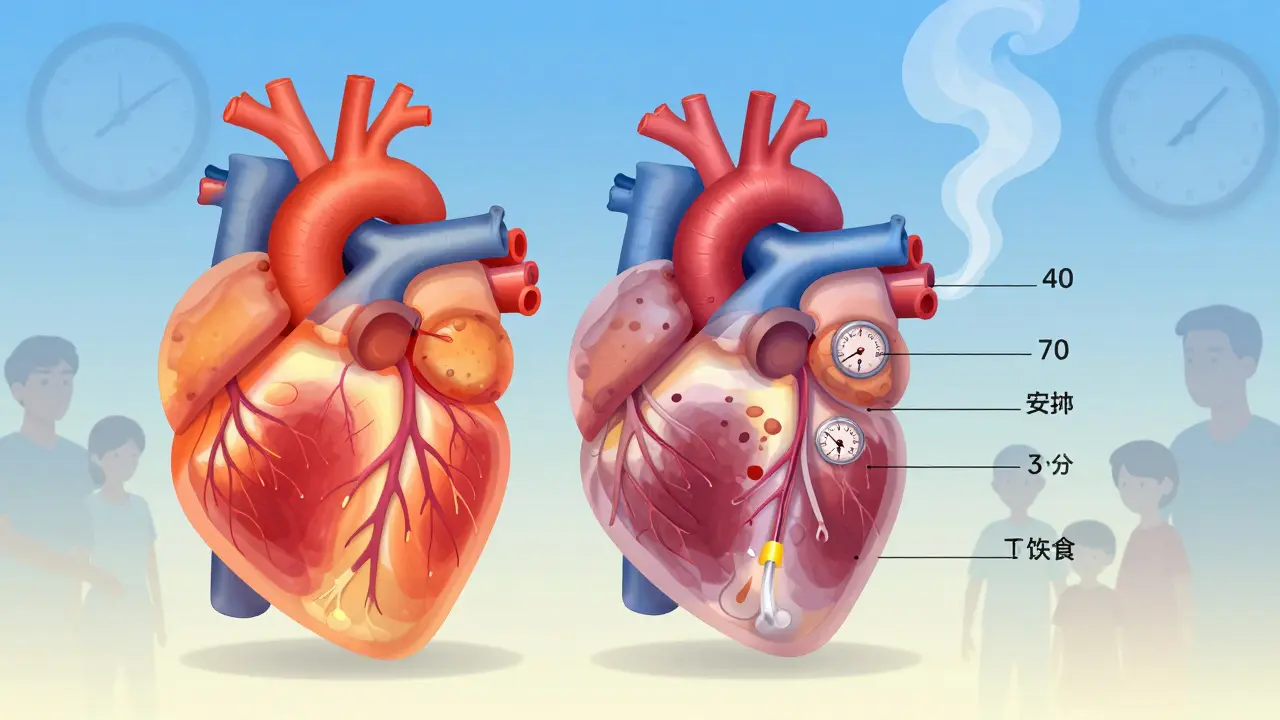
Heart disease is preventable. Learn how age, family history, smoking, high blood pressure, cholesterol, and lifestyle choices impact your risk - and what real steps you can take today to protect your heart.

India and China dominate the global generic drug market, supplying most of the world's affordable medicines. India leads in volume, China in value, and emerging economies are carving out critical niches. Here's how the supply chain really works.
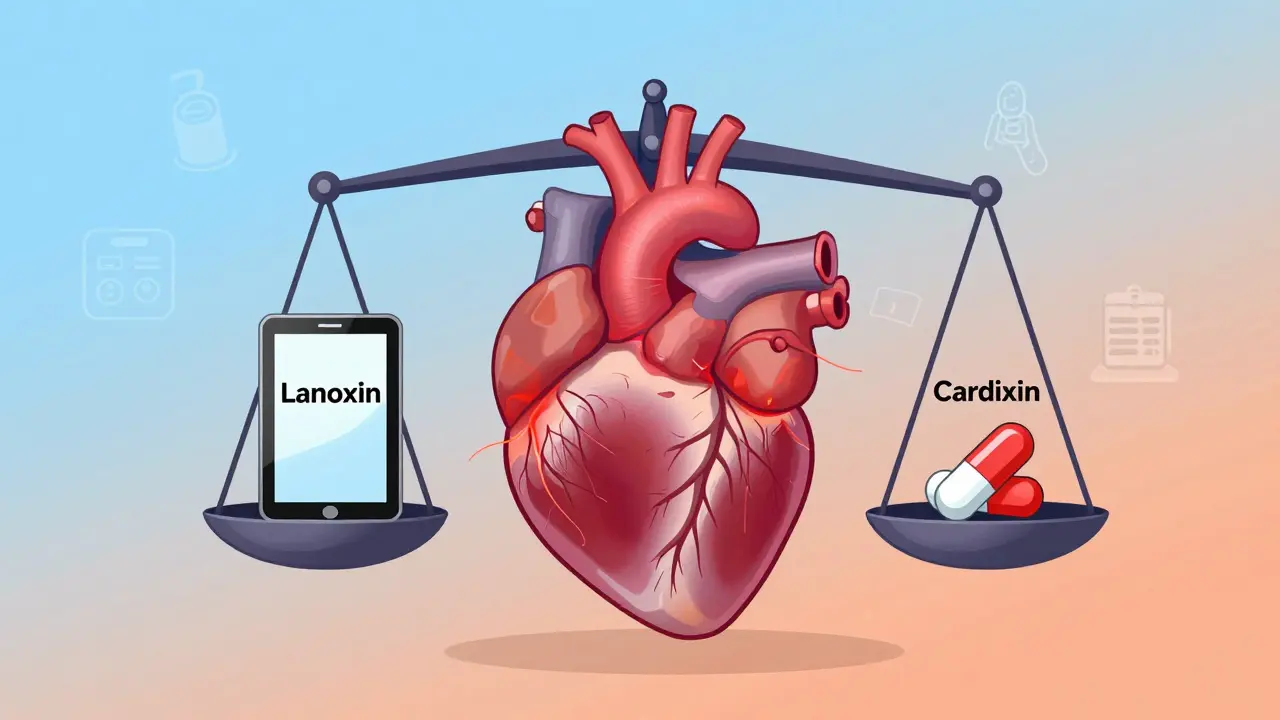
Digoxin generics may be bioequivalent on paper, but small differences in absorption can cause life-threatening toxicity or treatment failure. Learn why monitoring levels after any switch is critical for NTI drug safety.

Discover how stress, infections, and skin barrier damage trigger psoriasis flare-ups. Learn science-backed strategies to manage these triggers and reduce symptoms for better quality of life.